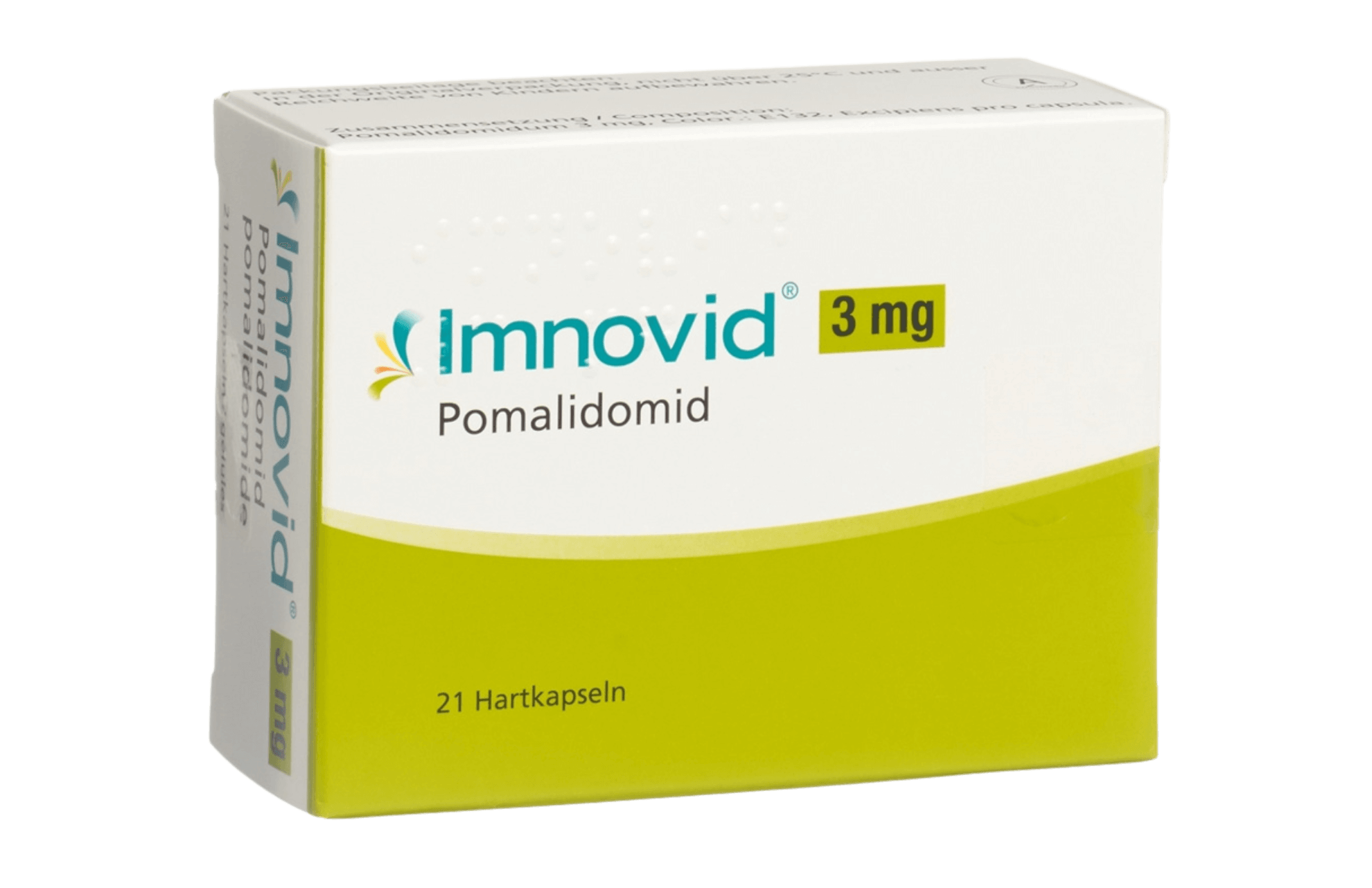
Pomalyst (generic name: pomalidomide) is an anti-cancer medicine used in adults with multiple myeloma. It contains pomalidomide, which works in several ways: it slows the growth of myeloma cells, helps the immune system find and attack them, and reduces the formation of new blood vessels that feed tumors.
Doctors usually prescribe it together with dexamethasone, and in some cases also with bortezomib. These combinations are used in people whose myeloma has returned or gotten worse after other treatments. Pomalyst is taken in planned treatment cycles and is meant for regular, day-to-day use during each cycle, not for sudden symptom relief.
Pomalidomide can severely harm an unborn baby. The leaflet requires strict pregnancy-prevention steps for females who can become pregnant and condom use for males with partners who can become pregnant; pregnancy tests and contraception continue during treatment and for at least 4 weeks after the last dose. Do not donate sperm or blood during treatment and for 4 weeks after stopping.
Dosage
It is important to follow the dosage instructions printed on the label of the box. Check with a doctor or pharmacist if there are any doubts regarding the proper dosage and treatment regimen.
Pomalyst is prescribed by specialists and used with other medicines. The usual starting dose is 4 mg once daily, taken by mouth, and given in cycles with planned “on” and “off” days. When used with bortezomib and dexamethasone, cycles are 21 days long; some days include all three medicines, some days two, one, or none, following the chart your care team provides. When used with dexamethasone only, cycles are 28 days long, again following a day-by-day chart. After each cycle, a new cycle starts unless the doctor tells the patient to stop. Tablets can be taken with or without food. Take the dose at the same time each day.
This is a maintenance, cyclical therapy. Keep taking it exactly as scheduled during each cycle, even if symptoms improve. It is not for immediate relief of symptoms. If a dose is missed, do not take two doses together; take the next dose at the regular time the next day. If too much is taken, contact a doctor or emergency service and take the package with you. Treatment usually continues until the doctor instructs to stop, based on response and safety checks.
Storage
Keep in the original package to protect from light. Store below 25°C (72°F). Do not use after the expiry date on the pack.
This text is for informational purposes only. Please consult a doctor or pharmacist before using any medication.
The information leaflet that comes with the medication includes full information about the correct usage, storage and possible side effects. Be sure to read and understand these, and if there are any questions, discuss these with a healthcare provider or pharmacist before starting treatment.
Caution:
If a sudden allergic reaction (anaphylaxis) occurs shortly after taking Pomalyst, with symptoms like swelling of the face, tongue, or throat making it difficult to breathe or swallow, or there is wheezing, hives, rash, blistering, or peeling of the skin, call a doctor or 911 right away, or go to an emergency room immediately.
Pregnant women should not be using Pomalyst unless this has been discussed with a healthcare provider, as it might harm the unborn baby or pose a risk of miscarriage. For this reason, women planning to become pregnant should use appropriate birth control measures during the treatment and one month after taking the last dose of Pomalyst.
Most people who use Pomalyst do not experience any adverse side effects. Doctors prescribe this medication because they assess the benefits of such treatment outweigh any likely unwanted effects.]
Some of the side effects that have been reported include:
-
infections of the chest or lungs (pneumonia/bronchitis), or nose and throat;
-
shortness of breath;
-
low red blood cells (anemia) causing tiredness or weakness;
-
constipation, diarrhea, nausea or vomiting;
-
trouble sleeping, dizziness or tremor;
-
numbness or tingling in hands or feet;
-
swelling of the body or legs;
-
rashes or itchy skin.
Serious side effects may include fever or chills with a sore throat (signs of low white cells or serious infection), unexpected bleeding or bruising, chest pain or painful swollen leg (blood clots), severe skin rash, yellowing of the skin/eyes (liver problems), or sudden swelling of the face and throat with trouble breathing (allergic reaction). Seek urgent medical help.
Not all side effects are listed here. If these or other unlisted symptoms persist or worsen, consult a healthcare provider or pharmacist.
Multiple myeloma is a blood cancer of plasma cells in the bone marrow. These cells build up and crowd out healthy cells. People may have bone pain, frequent infections, anemia (tiredness, weakness), weight loss, kidney problems, or high calcium. Pomalyst is used with other medicines when myeloma has relapsed (come back) or progressed after previous treatments. It can delay the disease from getting worse and help control symptoms. Treatment comes in cycles, and simple blood tests are used to monitor safety and effect.