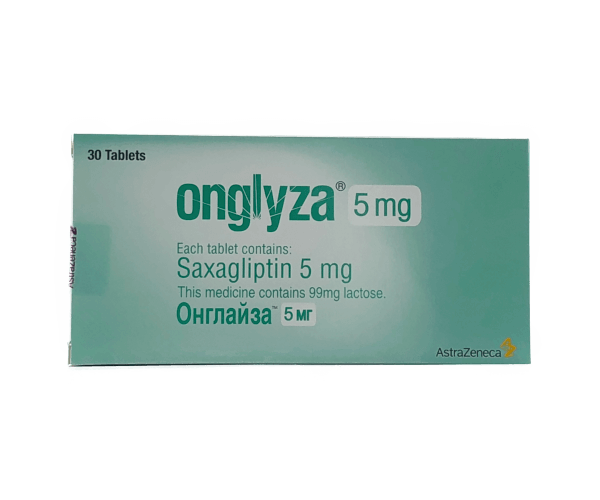
What is Onglyza?
Onglyza is an oral prescription medicine used to improve blood sugar control in adults with type 2 diabetes. Its active ingredient is saxagliptin. It belongs to a class of drugs called dipeptidyl peptidase-4 (DPP-4) inhibitors. Onglyza is not for treating type 1 diabetes or a condition called diabetic ketoacidosis. It is designed to work together with a healthy diet and regular physical activity. This helps you manage your condition effectively. It is a once-daily tablet that helps your body regulate its own blood sugar levels.
How does Onglyza work?
Onglyza works by increasing the amount of insulin your body produces after a meal. It targets the DPP-4 enzyme. This enzyme breaks down natural hormones in the body called incretins. By blocking this enzyme, Onglyza allows these hormones to work for longer. These incretin hormones signal the pancreas to release more insulin when blood sugar is high. They also reduce the amount of sugar made by the liver. This dual action helps to lower your blood sugar levels throughout the day, especially after eating.
Who is Onglyza for?
Onglyza is designed for adults diagnosed with type 2 diabetes who need help managing their blood sugar. This medication is an adjunct to diet and exercise. It can be prescribed alone or in combination with other diabetes drugs like metformin. Onglyza is not suitable for everyone. It should not be used by people with type 1 diabetes. Patients with a history of pancreatitis or severe kidney problems should discuss their condition with a doctor before using it. Your healthcare provider will determine if this treatment is right for you.
Dosage and administration
Onglyza is typically taken as a once-daily pill. You should always follow the dosage your doctor prescribes. The tablet can be taken with or without food. It is best to take it at the same time each day. This helps maintain a consistent level of the drug in your body. If you miss a dose, take it as soon as you remember that same day. However, do not take two doses at once to make up for a missed one. Always swallow the tablet whole and do not crush, split, or chew it.
Side effects
Onglyza may cause some side effects, though not everyone experiences them. Your doctor prescribed this medication because they believe the benefit is greater than the risk of side effects. Common side effects are generally mild and may include:
- Upper respiratory tract infection
- Urinary tract infection (UTI)
- Headache
- Sore throat or runny nose
- Stomach upset or vomiting
In rare cases, Onglyza can cause more serious side effects. Stop taking Onglyza and call your doctor immediately if you have symptoms of pancreatitis, such as severe, persistent stomach pain. Also seek medical help for signs of an allergic reaction like swelling or trouble breathing.
Why buy from IsraelPharm?
IsraelPharm offers a simple, secure, and affordable way to order your medication online. We provide access to brand-name drugs, like Onglyza, directly from a licensed pharmacy. Our team of experienced pharmacists is available to answer your questions. We ensure your privacy with discreet packaging and secure online transactions. By sourcing medications from Israel, we can offer significant savings on your prescriptions. Enjoy the convenience of having your treatment delivered directly to your door with our reliable shipping.
The most common side effects associated with Onglyza include:
- Upper respiratory tract infection
- Urinary tract infection
- Headache
- Sinusitis and nasopharyngitis (cold symptoms)
- Gastrointestinal symptoms like stomach ache or vomiting
Important: Onglyza may cause serious side effects. Stop taking it and contact your doctor immediately if you experience severe joint pain or symptoms of pancreatitis (severe abdominal pain). Seek emergency help for signs of a serious allergic reaction, such as rash, hives, or swelling of the face, lips, and throat.
Onglyza (saxagliptin) is indicated for use in adults with type 2 diabetes mellitus to improve glycemic control. It is used as an adjunct to:
- Diet and exercise
- Monotherapy when other treatments fail
- Combination therapy with other glucose-lowering drugs like metformin