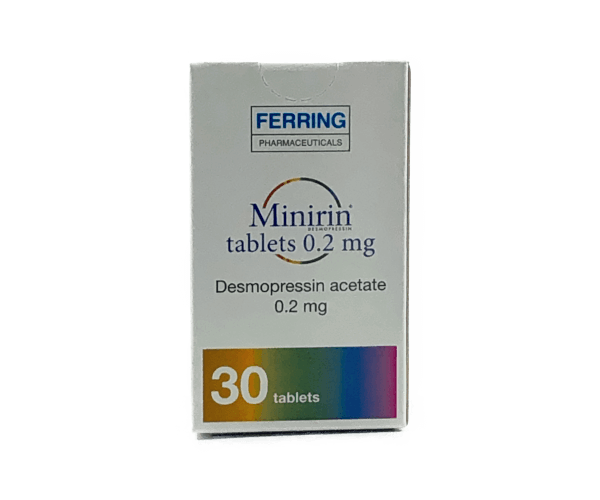
What is Minirin?
Minirin is a medication prescribed to treat central diabetes insipidus. Its active ingredient is desmopressin, which is a synthetic version of a natural human hormone called vasopressin. This drug helps manage symptoms like intense thirst (polydipsia) and excessive urination (polyuria). These symptoms often occur after brain surgery or a head injury. By controlling the body’s water balance, Minirin plays a crucial role. It helps prevent the dehydration that can result from these conditions. This makes it a vital hormone replacement therapy for affected patients.
How does Minirin work?
Minirin works by mimicking the natural hormone vasopressin. The brain normally produces vasopressin to signal the kidneys. This signal tells them to reabsorb water, making urine more concentrated. In people with central diabetes insipidus, the body doesn’t produce enough vasopressin. Minirin steps in to perform this function. It binds to receptors in the kidneys. This action tells the kidneys to conserve water and produce less urine. As a result, it helps restore the body’s normal water balance. This reduces constant thirst and frequent trips to the bathroom.
Who is Minirin for?
Minirin is for patients diagnosed with central diabetes insipidus. This is a condition where the body has a low level of the hormone vasopressin. It is also for people who experience temporary symptoms following a head injury or brain surgery. These symptoms include a sudden increase in thirst and urination. Minirin helps manage these issues effectively. Because these conditions can lead to severe dehydration, this medication is very important. It offers relief by restoring normal hormone function. This allows patients to maintain proper hydration and improve their quality of life.
Dosage and administration
Minirin dosage and administration must be determined by a healthcare provider. The correct dose depends on the patient’s specific condition and response. It is available in different forms, such as tablets. Always follow your doctor’s instructions precisely. It is especially important to follow any directions regarding fluid intake. Drinking too much water while on this medication can be dangerous. It may lead to a serious electrolyte imbalance called hyponatremia. Never change your dose or stop taking Minirin without medical advice. Consistent use as prescribed is key to managing your symptoms.
Side effects
Minirin may cause some side effects, though many people have none. Common effects are usually mild and can include headache, nausea, or a runny nose. Some people might also experience flushing of the face or an upset stomach. These symptoms often resolve on their own.
A more serious, though infrequent, side effect is possible. Minirin can cause a low level of sodium in the blood (hyponatremia). This risk increases if you drink too much fluid. Seek immediate medical attention if you notice symptoms like severe headache, loss of appetite, sudden weight gain, confusion, muscle cramps, or severe nausea. A serious allergic reaction is rare but requires emergency help. Symptoms include a rash, severe dizziness, or trouble breathing.
Why buy from IsraelPharm?
IsraelPharm offers a simple and secure way to get your Minirin prescription. We are a trusted online pharmacy focused on patient safety and convenience. Our platform allows you to order your medication from the comfort of your home. We provide competitive pricing to help you save money on your refills. Our licensed pharmacists are available to answer your questions. They ensure you receive the correct medication as prescribed by your doctor. With discreet and reliable shipping directly to your door, managing your health has never been easier. Choose IsraelPharm for affordable and dependable service.
Common Side Effects
Most side effects of Minirin are mild and may not occur in all users. These can include:
- Headache
- Runny or stuffy nose
- Nausea or upset stomach
- Flushing or redness of the face
Serious Side Effects
Minirin can infrequently cause a severe drop in blood sodium levels (hyponatremia). This condition is serious and requires immediate medical attention. Be sure to follow your doctor’s instructions on limiting fluid intake to reduce this risk. Contact a doctor immediately if you experience:
- Severe nausea and vomiting
- Loss of appetite
- Unusual and rapid weight gain
- Severe headache or unusual tiredness
- Mental or mood changes like confusion or irritability
- Muscle weakness, spasms, or cramps
- Seizures or loss of consciousness
A very serious allergic reaction to Minirin is rare. Seek emergency medical help if you have a rash, itching or swelling, severe dizziness, or trouble breathing.
Minirin (desmopressin) is prescribed to manage and control the following:
- Excessive thirst (polydipsia)
- Frequent and excessive urination (polyuria)
- Symptoms of central cranial diabetes insipidus
- Temporary polyuria and polydipsia following head injury or brain surgery
- Prevention of dehydration related to low vasopressin levels