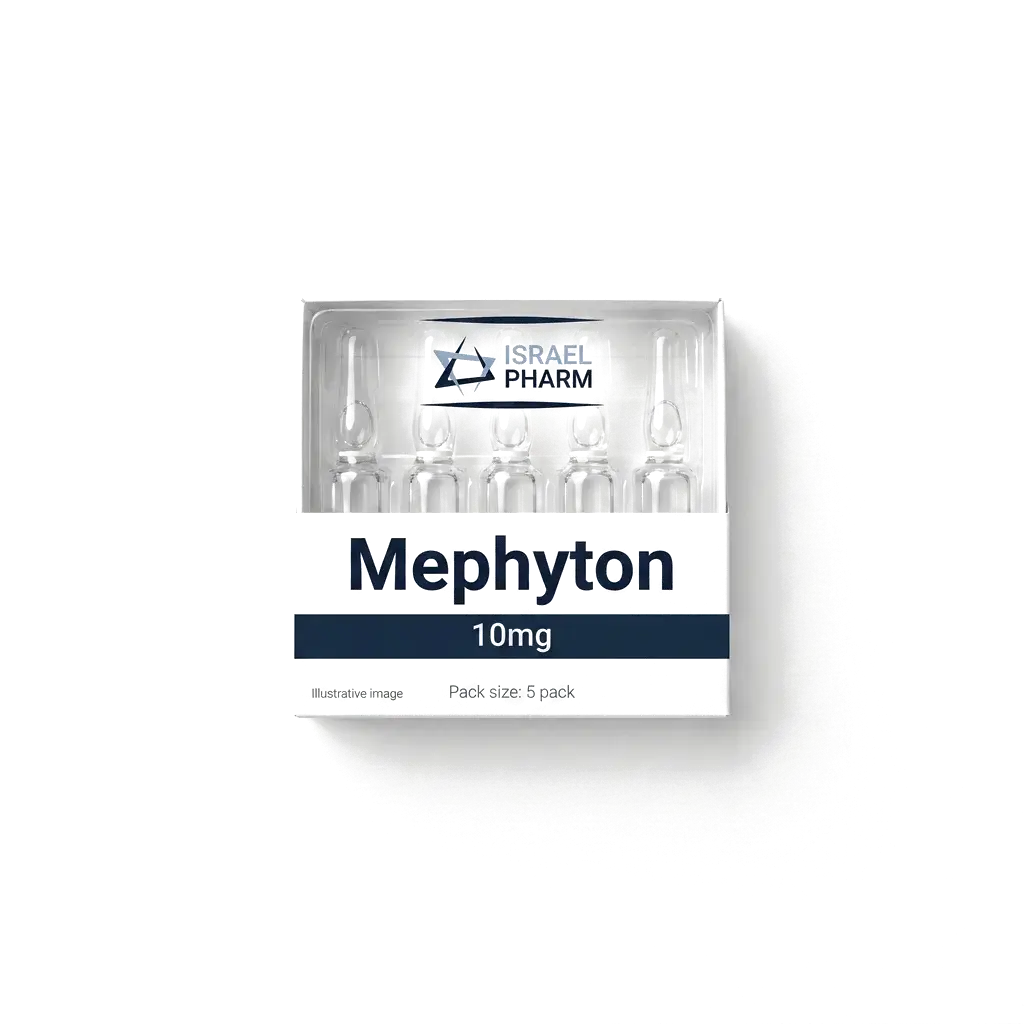
What is Mephyton?
Mephyton is a brand-name medication containing the active ingredient phytomenadione, which is a man-made version of vitamin K1. This essential vitamin plays a crucial role in blood clotting. Mephyton is prescribed to treat or prevent certain bleeding conditions caused by low levels of vitamin K in the body. It works by helping the liver to produce the proteins that are necessary for normal blood coagulation. This medicine is often used as an antidote to reverse the effects of certain anticoagulant drugs like warfarin.
How does Mephyton work?
Mephyton works by providing the body with a necessary component for blood clotting. Its active ingredient, phytomenadione, is essential for the liver to synthesize several key clotting factors (Factors II, VII, IX, and X). When vitamin K levels are low, the production of these factors is impaired, leading to a higher risk of uncontrolled bleeding. By supplementing vitamin K, Mephyton restores the liver’s ability to produce these proteins. This helps the blood to clot normally and stop bleeding effectively.
Who is Mephyton for?
Mephyton is for patients experiencing or at risk of bleeding due to vitamin K deficiency. This includes newborns, who are born with naturally low levels of vitamin K. It is also prescribed for adults and children with conditions that impair vitamin K absorption, such as cystic fibrosis, celiac disease, or liver disease. Additionally, Mephyton is a critical treatment for individuals who have taken too much of a coumarin-type anticoagulant, like warfarin. It effectively reverses the blood-thinning effects of these drugs to prevent serious bleeding events.
Dosage and administration
Mephyton dosage and administration depend on the patient’s age, medical condition, and response to treatment. The medication is available as tablets for oral use and as an injection for administration by a healthcare professional. For adults treating anticoagulant-induced bleeding, the dose is determined based on the severity of the bleeding and lab test results. In newborns, it is often given as a single injection shortly after birth to prevent vitamin K deficiency bleeding. Always follow your doctor’s specific instructions when taking this medication. Do not adjust your dose without medical advice.
Side effects
Mephyton is generally safe but can cause side effects in some people. Common side effects are usually mild and may include dizziness, flushing, or unusual taste. Injection site reactions like pain or swelling can also occur. More serious side effects are rare but require immediate medical attention. These can include signs of an allergic reaction such as rash, itching, severe dizziness, or trouble breathing. If you are given Mephyton by injection, a severe reaction called anaphylaxis is possible, which is why it is given by a professional.
Why buy from IsraelPharm?
IsraelPharm offers a reliable and convenient way to purchase your essential medications like Mephyton. We source our products from trusted manufacturers, ensuring you receive high-quality, authentic medicine. Our streamlined online platform makes ordering simple. You can get your prescriptions filled from the comfort of your home. We provide competitive pricing and excellent customer service. Our team of professionals is dedicated to ensuring your health and satisfaction. Choose IsraelPharm for a secure and affordable pharmacy experience.
Most people taking Mephyton do not experience serious side effects. However, like any medication, it can have adverse effects. Always consult your doctor for a full list of potential risks.
Common Side Effects:
- Dizziness
- Flushing or a feeling of warmth
- Unusual taste in the mouth
- Sweating
- Pain, swelling, or soreness at the injection site
Serious Side Effects:
- Symptoms of a severe allergic reaction (anaphylaxis)
- Difficulty breathing or shortness of breath
- Blue-colored lips, skin, or fingernails
- Severe dizziness or fainting
- Yellowing of the skin or eyes (jaundice)
Mephyton is used to treat and prevent bleeding that results from low levels of vitamin K. Its primary indications include:
- Prophylaxis and treatment of vitamin K deficiency bleeding in newborns.
- Reversing the effects of anticoagulant drugs (e.g., warfarin/Coumadin).
- Treatment of hypoprothrombinemia (a blood clotting disorder) due to vitamin K deficiency.
- Managing bleeding related to medical conditions that impair nutrient absorption.