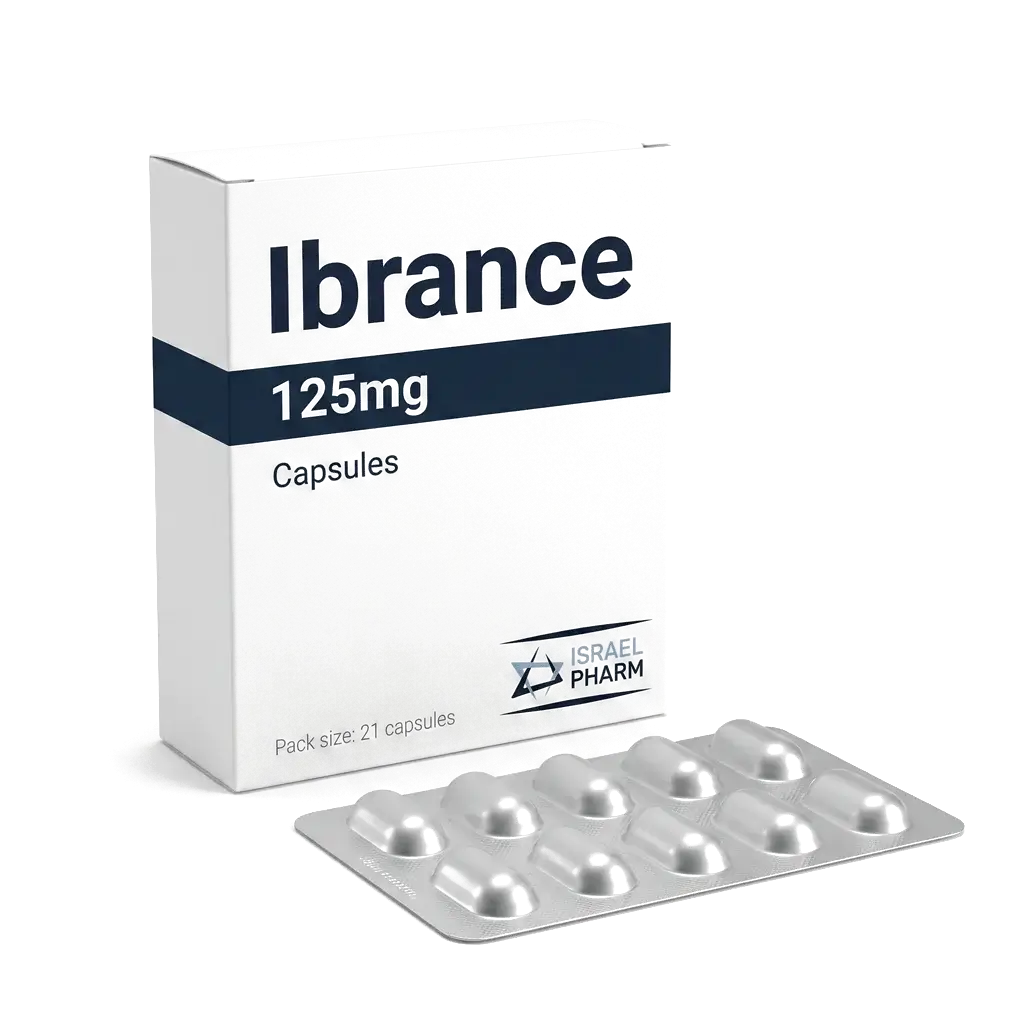
What is Ibrance?
Ibrance is a prescription drug used to treat certain types of breast cancer in adults. It is specifically for cancer that is hormone receptor-positive (HR+) and human epidermal growth factor receptor 2-negative (HER2-). The medication is a form of targeted therapy known as a CDK4/6 inhibitor. It is often prescribed alongside other hormonal therapies. Ibrance helps to slow or stop the growth of cancer cells. This treatment is intended for advanced or metastatic breast cancer, which is cancer that has spread to other parts of thebody.
How does Ibrance work?
Ibrance works by blocking the activity of key proteins called cyclin-dependent kinase 4 (CDK4) and cyclin-dependent kinase 6 (CDK6). These proteins are crucial for cell growth and division. In HR-positive breast cancer, these proteins can become overactive, causing cancer cells to multiply uncontrollably. By inhibiting CDK4 and CDK6, Ibrance interrupts this process. This interference slows the progression of the cancer. It is not a cure but a way to manage the disease effectively. This targeted action makes it different from traditional chemotherapy.
Who is Ibrance for?
Ibrance is for adults diagnosed with advanced or metastatic breast cancer that is HR-positive and HER2-negative. It is often a first-line treatment for postmenopausal women. The drug can also be used in men. It is prescribed in combination with an aromatase inhibitor. For patients whose disease has progressed after hormone therapy, it may be used with fulvestrant. It is not intended for early-stage breast cancer. Your oncologist will determine if Ibrance is a suitable part of your treatment plan based on your specific condition.
Dosage and administration
Ibrance is typically administered as an oral capsule taken once daily. The standard starting dose is one 125 mg capsule. You should take it with food at about the same time each day. A treatment cycle consists of taking Ibrance for 21 consecutive days. This is followed by a 7-day period where you do not take the medication. This 28-day cycle is then repeated. Your doctor may adjust the dose to 100 mg or 75 mg based on side effects or other factors. Always swallow the capsules whole; do not chew, crush, or open them.
Side effects
Ibrance may cause side effects, though not everyone experiences them. The most common side effects include low blood cell counts, such as neutropenia (low white blood cells), which can increase your risk of infection. Other frequent effects are fatigue, anemia (low red blood cells), nausea, and mouth sores. Some people may also experience hair thinning, diarrhea, or a decreased appetite. More serious side effects can occur, like severe lung problems or infections. It is important to report any new or worsening symptoms to your doctor right away for proper management.
Why buy from IsraelPharm?
IsraelPharm offers a reliable and convenient way to access authentic medications like Ibrance. We source all our products directly from the manufacturer, Pfizer, or their authorized distributors. This ensures you receive genuine, safe, and effective medication every time. Our streamlined online ordering process is simple and secure. We are committed to providing competitive pricing to help you save on your treatment costs. With our dedicated customer service team, we guide you through every step. We offer discreet, tracked shipping directly to your door, making your health our top priority.
Ibrance can cause a range of side effects. It is important to discuss these with your doctor.
Common Side Effects:
- Low white blood cell counts (neutropenia)
- Low red blood cell counts (anemia)
- Fatigue
- Nausea and vomiting
- Mouth sores (stomatitis)
- Hair thinning or loss (alopecia)
- Diarrhea
- Decreased appetite
- Rash
Serious Side Effects:
- Severe neutropenia, which can lead to serious infections
- Inflammation of the lungs (pneumonitis or interstitial lung disease)
- Blood clots in the arteries, legs, or lungs
Ibrance is indicated for the treatment of hormone receptor (HR)-positive, human epidermal growth factor receptor 2 (HER2)-negative advanced or metastatic breast cancer in adults, used in combination with:
- An aromatase inhibitor as initial endocrine-based therapy.
- Fulvestrant in patients with disease progression following endocrine therapy.