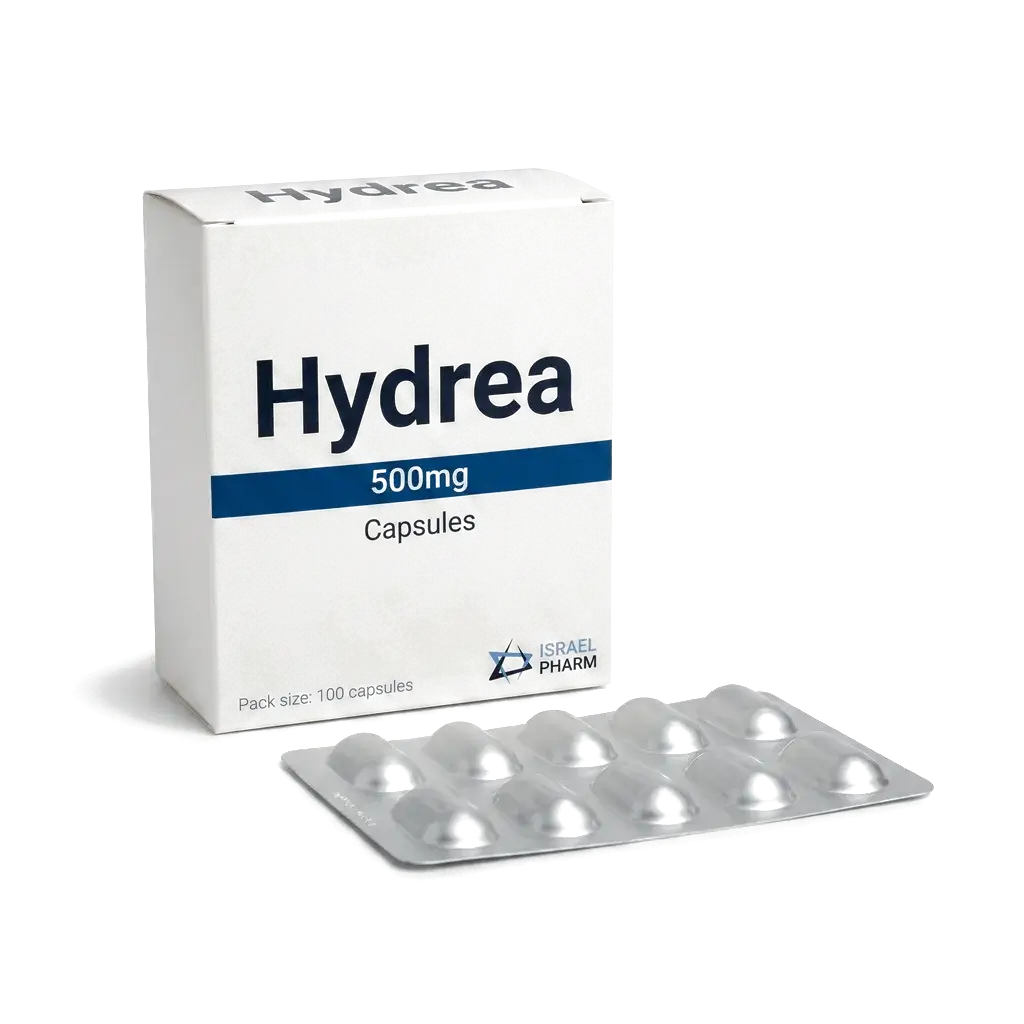
What is Hydrea?
Hydrea is a brand name for the medication hydroxyurea, an antineoplastic agent used to treat specific types of cancer and blood disorders. It is primarily prescribed for conditions where cells grow too quickly. Hydrea helps to control these conditions by interfering with the growth of these abnormal cells. The medication comes in capsule form and is taken orally. A healthcare provider will determine if this treatment is right for you based on your specific medical condition and overall health.
How does Hydrea work?
Hydrea works by inhibiting an enzyme in the body called ribonucleotide reductase. This enzyme is crucial for creating DNA, the building blocks for new cells. By blocking this process, Hydrea slows down or stops the production of new DNA. This action is particularly effective against rapidly dividing cells, such as cancer cells. In sickle cell disease, it also works by increasing the levels of fetal hemoglobin (HbF). Higher HbF levels help prevent red blood cells from sickling, reducing painful episodes.
Who is Hydrea for?
Hydrea is prescribed for patients diagnosed with several specific conditions. It is commonly used for adults with chronic myeloid leukemia (CML) and certain types of head and neck cancer. This medication is also a primary treatment for adults and children with sickle cell anemia. It helps reduce the frequency of painful crises and the need for blood transfusions. Doctors may also prescribe it for other blood disorders like polycythemia vera and essential thrombocythemia. A full medical evaluation is needed to confirm if Hydrea is appropriate.
Dosage and administration
Hydrea dosage is individualized by a healthcare professional based on the patient’s specific condition, body weight, and blood test results. The medication is a capsule that should be swallowed whole with a glass of water. Patients should not open, crush, or chew the capsules. It is important to take Hydrea at the same time each day to maintain a consistent level in your body. Your doctor will regularly monitor your blood counts to adjust the dose as needed and manage potential side effects. Always follow your prescribing doctor’s instructions carefully.
Side effects
Hydrea can cause side effects, which range from mild to severe, because it affects cell growth. Common side effects may include nausea, vomiting, diarrhea, loss of appetite, and mouth sores. Some patients might also experience skin rashes, dizziness, or headaches. A more serious side effect is bone marrow suppression, which leads to lower blood cell counts. This can increase your risk of infections, bleeding, or anemia. Regular blood tests are essential to monitor for these effects. Report any unusual or severe symptoms to your doctor immediately.
Why buy from IsraelPharm?
IsraelPharm offers a secure and affordable source for purchasing your Hydrea medication. We provide access to genuine medications from trusted manufacturers, ensuring you receive the same quality treatment you would from a local pharmacy. Our streamlined online ordering process is convenient and private. With competitive pricing and reliable international shipping to your door, we help you manage your health effectively and affordably. Our customer service team is available to assist you with any questions about your order, making your experience simple and worry-free. Save on your prescription with us.
Hydrea may cause side effects. It is important to discuss these with your doctor. Common side effects include:
- Nausea or vomiting
- Loss of appetite
- Mouth sores
- Diarrhea or constipation
- Skin rash, peeling, or darkening
- Drowsiness or dizziness
More serious side effects requiring immediate medical attention include signs of bone marrow suppression, such as:
- Unusual bleeding or bruising
- Signs of infection (fever, chills, sore throat)
- Severe fatigue or shortness of breath
Hydrea is primarily indicated for the treatment of:
- Chronic Myeloid Leukemia (CML)
- Locally advanced squamous cell carcinomas of the head and neck
- Polycythemia Vera (when other treatments have failed)
- Essential Thrombocythemia
- Sickle Cell Anemia (to reduce pain crises)