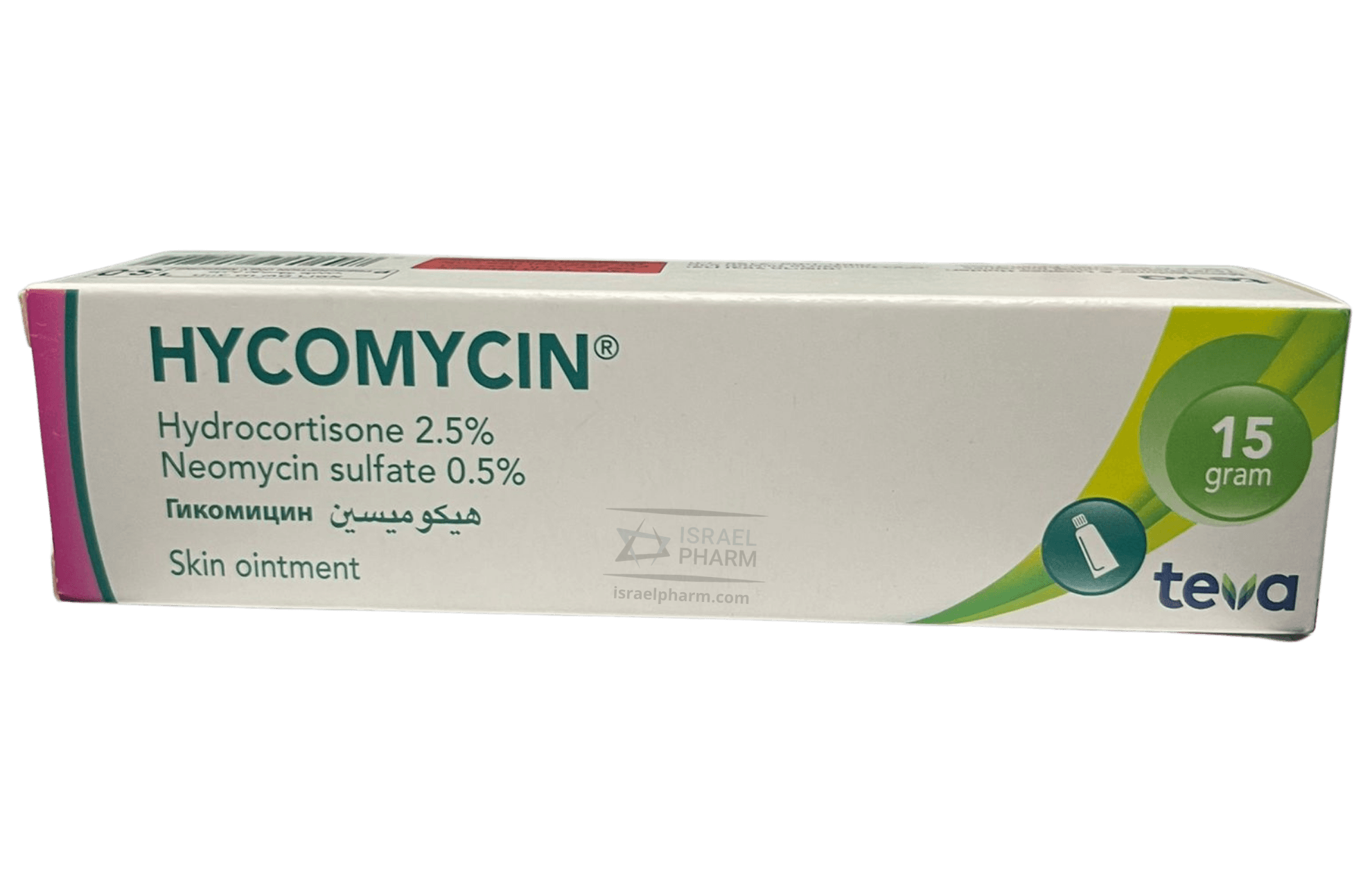
What is Hycomycin?
Hycomycin is a topical prescription medication that combines two active ingredients to treat skin conditions. It contains hydrocortisone and neomycin sulfate. This cream is designed to reduce inflammation and fight bacterial infections on the skin. Hycomycin is often used for various forms of dermatitis and eczema. The medication works by addressing both the symptoms and potential bacterial causes of skin irritation. It provides comprehensive treatment for responsive skin diseases. By combining a steroid and an antibiotic, it offers a two-pronged approach to skin healing.
How does Hycomycin work?
Hycomycin works through the combined actions of its two main ingredients. The hydrocortisone in the cream is a mild corticosteroid. It functions by decreasing the body’s inflammatory response. This reduces skin redness, swelling, and itching associated with conditions like eczema. The neomycin sulfate component is an antibiotic. It stops the growth of bacteria on the skin. This is useful when an inflammatory skin condition is either caused or complicated by a bacterial infection. Together, these ingredients soothe irritation and clear up infections, allowing the skin to heal properly.
Who is Hycomycin for?
Hycomycin is for adults and children who have specific inflammatory skin conditions that are responsive to corticosteroids. This medication is suitable for patients diagnosed with allergic dermatoses, such as atopic dermatitis and contact dermatitis. It can also be very effective for individuals with seborrheic dermatitis or infantile eczema. Doctors may prescribe it for anogenital pruritus, which is itching around the genital and anal areas. Additionally, it is used to treat external otitis, an infection of the outer ear canal. It should only be used when a bacterial infection is present or suspected alongside the inflammation.
Dosage and administration
Hycomycin dosage and administration should always follow a doctor’s specific instructions. Generally, a thin layer of the cream is applied to the affected area of the skin. The frequency of application can vary, but it is often used two to three times per day. Before applying, you should ensure the skin is clean and dry. Gently rub the cream in until it is fully absorbed. Do not cover the treated area with airtight bandages unless directed by your physician. The duration of treatment depends on the severity and type of skin condition being treated. Always wash your hands before and after applying the medication.
Side effects
Hycomycin may cause side effects, although not everyone experiences them. The most common side effects occur at the site of application. These can include skin burning, itching, irritation, or dryness. Long-term use or application over large areas of skin can lead to more serious side effects. This might include skin thinning, stretch marks, or changes in skin color. The neomycin component can sometimes cause an allergic skin reaction. Systemic side effects are rare but possible if the medication is absorbed into the bloodstream in large amounts. Contact your doctor if you experience any severe or persistent side effects.
Why buy from IsraelPharm?
Buying from IsraelPharm ensures you receive genuine Hycomycin at a competitive price. We are a trusted source for authentic medications from leading manufacturers like Teva. Our online platform makes ordering your prescriptions simple and convenient. We provide discreet packaging and reliable shipping directly to your home. Our customer service team is available to assist with any questions you may have. Choosing IsraelPharm means you get affordable access to the treatments you need without compromising on quality or safety. We make managing your health easier and more cost-effective.
Most side effects are localized to the application site. Seek medical advice if you experience severe or persistent symptoms.
- Burning, itching, or stinging sensation
- Dryness or peeling of the skin
- Allergic skin reaction (redness, rash, swelling)
- Skin thinning (atrophy) with prolonged use
- Development of stretch marks (striae)
- Changes in skin pigmentation
- Unwanted hair growth (hypertrichosis)
- Secondary skin infections
- Allergic dermatoses
- Atopic dermatitis
- Contact dermatitis
- Seborrheic dermatitis
- Anogenital pruritus
- Infantile eczema
- External otitis (inflammation of the outer ear canal)
- Other corticosteroid-responsive inflammatory skin diseases