Login

Fast Delivery

Ships from Israel

Secure Payment
Genuine Brands
Pharmacist Oversight
Proudly Israeli
Free Shipping on orders over $99*
Spend $99, get free U.S. shipping*
Tariff now required on U.S. shipments. Learn more »
Tel: 1-866-456-3768 Fax: 1-866-544-8993

For visual reference only; actual product may vary
US Name:
Desonide
Alternative Names:
Locatop
Active Ingredients:
Desonide
Brand Manufacturer:
Manufacturer Location:
France
Click here to view Product Insert

For visual reference only; actual product may vary
Desonide is a topical corticosteroid used to relieve swelling, redness, itching, and inflammation associated with skin conditions like eczema and dermatitis. As a mild-strength steroid, it offers effective treatment for various skin irritations. Apply a thin layer to the affected area as directed by your healthcare provider for relief.
Allergy Pack | 30 Pouches 1 Pouch a Day | –+ | Our price: $73.95 | |
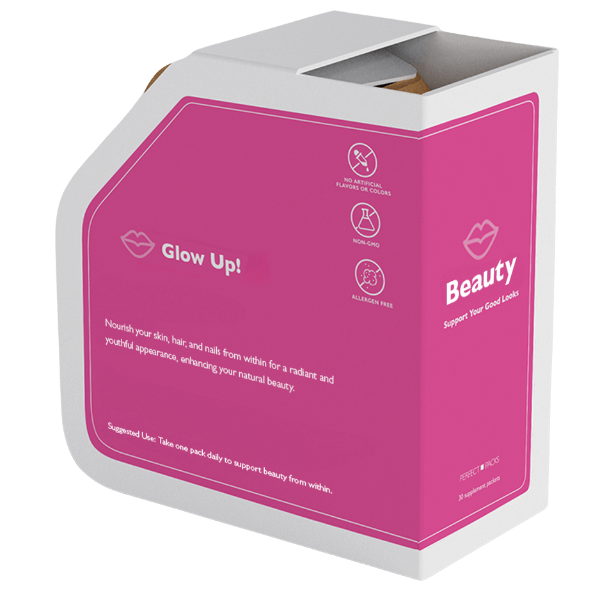
Beauty Pack | 30 Pouches 1 Pouch a Day | –+ | Our price: $72.25 |
Desonide is a low-potency topical corticosteroid medication used to treat various inflammatory skin conditions. It is primarily prescribed to reduce symptoms like redness, swelling, itching, and discomfort associated with conditions such as eczema, dermatitis, psoriasis, and allergic reactions. Available in forms like cream, ointment, gel, and lotion, it provides a gentle yet effective treatment option suitable for sensitive skin areas and for use in both adults and children, as directed by a doctor.
Desonide works by suppressing the body’s inflammatory response in the skin. As a corticosteroid, it mimics the natural anti-inflammatory hormones produced by the adrenal glands. When applied to the skin, Desonide activates substances within the skin cells that inhibit the production of inflammatory chemicals like prostaglandins and leukotrienes. This action constricts the blood vessels in the affected area, leading to reduced swelling, redness, and itching, allowing the skin to heal.
Desonide is for adults and children who need treatment for inflammatory skin conditions that are responsive to corticosteroids. This includes individuals diagnosed with atopic dermatitis (eczema), seborrheic dermatitis, contact dermatitis, and certain types of psoriasis. Because it is a mild or low-potency steroid, it is often considered a suitable option for patients with sensitive skin, for application on the face or other thin-skinned areas, and for children, when prescribed by a healthcare professional.
The dosage and administration of Desonide depend on the specific condition being treated and the patient’s age and response. Typically, a thin film of Desonide cream, ointment, or lotion is applied to the affected area of the skin two to three times daily. The area should be clean and dry before application. It is important to rub the medication in gently and thoroughly. Desonide should only be used for the duration prescribed by your doctor to avoid potential side effects from overuse.
Most people using Desonide experience no side effects, but some may occur, especially with long-term use or application over large areas of skin. Common side effects at the application site include mild burning, stinging, itching, or redness when the medication is first applied. Less common effects can include skin thinning (atrophy), stretch marks, acne-like bumps (steroid acne), or changes in skin color. If you experience severe irritation or signs of a skin infection, contact your doctor.
Purchasing your Desonide from IsraelPharm ensures you receive a genuine, high-quality medication from a trusted and reliable source. We are dedicated to making healthcare more accessible and affordable, offering competitive pricing on a wide range of prescription drugs. Our streamlined online ordering process is simple and secure, and our knowledgeable customer service team is available to assist you with any questions, providing a safe and convenient way to manage your treatment needs.
When using Desonide, some patients may experience side effects, which are typically mild and occur at the site of application. It’s important to monitor your skin’s reaction. Possible side effects include:
More serious side effects are rare but can occur with overuse or long-term application. Contact your doctor if you experience severe or persistent side effects.
Desonide is indicated for the relief of the inflammatory and pruritic (itchy) manifestations of corticosteroid-responsive dermatoses. This includes a variety of skin conditions, such as:
Desonide typically begins to work within a few days of starting treatment, reducing symptoms like itching, redness, and swelling. However, the exact time can vary depending on the severity and type of skin condition. For best results, use it exactly as prescribed by your doctor. If you do not see any improvement in your condition within two weeks, you should consult your healthcare provider.
Yes, Desonide can be used on the face, as it is a low-potency corticosteroid, which makes it safer for sensitive and thin-skinned areas compared to stronger steroids. However, you should only do so under the strict guidance of a healthcare provider. Avoid getting it in your eyes, and use it for the shortest duration possible to minimize risks like skin thinning or other side effects.
If you miss a dose of Desonide, apply it as soon as you remember. However, if it is almost time for your next scheduled dose, skip the missed one and continue with your regular application schedule. Do not apply a double dose to make up for the one you missed, as this can increase the risk of side effects. Consistency is key for the best therapeutic outcome.
No, Desonide is neither an antifungal nor an antibiotic. It is a corticosteroid medication. Its purpose is to reduce inflammation, not to treat infections. If your skin condition is caused or complicated by a bacterial or fungal infection, your doctor may prescribe an antibiotic or antifungal medication to be used alongside Desonide. Using it on an untreated infection can sometimes make the condition worse.
No, Desonide is not a treatment for acne. In fact, using corticosteroids like Desonide on acne can sometimes worsen the condition or cause a specific type of breakout called "steroid acne." Acne is typically treated with retinoids, antibiotics, or other specific acne-fighting agents. You should only use Desonide for the inflammatory skin conditions it is prescribed for, such as eczema or dermatitis.
You should apply Desonide cream in a thin layer to the clean, dry, affected area of skin. Rub it in gently and completely. Wash your hands before and after applying the medication, unless your hands are the area being treated. Avoid using it on open wounds or broken skin. Follow your doctor's instructions carefully regarding the frequency and duration of use for your specific condition.
Desonide cream has a lighter consistency, is water-based, and is easily absorbed, making it suitable for weeping or oozing skin conditions. Ointments are thicker, oil-based, and provide more moisturization, which is ideal for dry, scaly, or thickened skin. The choice between cream and ointment depends on your skin type and the nature of your skin condition. Your doctor will prescribe the formulation that is best for you.
Yes, like all topical corticosteroids, Desonide has the potential to cause skin thinning (atrophy), especially with long-term use, high doses, or when applied to sensitive areas like the face or skin folds. Because Desonide is a low-potency steroid, the risk is lower than with stronger corticosteroids. To minimize this risk, use the smallest amount of medication for the shortest duration prescribed by your doctor.
You should not cover the treated area with bandages or other occlusive dressings unless specifically instructed to do so by your doctor. Covering the skin can significantly increase the absorption of the medication into the body, which can raise the risk of systemic side effects. Allow the medication to absorb naturally into the skin. Wearing normal clothing over the area is fine.
Desonide should be stored at room temperature, away from direct heat and moisture. Do not store it in the bathroom, where humidity levels can be high. Keep the tube or bottle tightly closed when not in use. As with all medications, ensure it is kept out of the reach of children and pets to prevent accidental ingestion or misuse.
If you are pregnant or breastfeeding, you should consult your doctor before using Desonide. While it is a topical medication and systemic absorption is low, it should only be used if the potential benefit justifies the potential risk to the fetus or infant. Your doctor can help you weigh the risks and benefits and determine the safest course of action for managing your skin condition during this time.
If your skin condition worsens, or if you develop signs of a skin infection (like increased redness, swelling, or pus), you should stop using Desonide and contact your healthcare provider immediately. It is possible to have an allergic reaction to the medication itself or to have an underlying infection that requires a different type of treatment. Your doctor can reassess your condition and provide appropriate guidance.
Send Your Prescription
No Hidden Fees
Generally 7-10 Business Days

IsraelPharm has been delivering lost cost prescriptions from Israel for over 15 years worldwide. Daily flights allow us to get your medications dispatched fast! Delivery to the USA is under 10 days and you can track and trace every order.


Struggling with acid reflux? Sarah Ryan shares her personal experience using Nexium for GERD and how to find affordable brand-name relief through a licensed pharmacy.

Polyendocrine Metabolic Ovarian Syndrome (PMOS) is the new clinical name for the condition long known as Polycystic Ovary Syndrome (PCOS). The change reflects a deeper scientific understanding that insulin resistance and metabolic dysfunction sit at