My Personal Journey with Heartburn and Nexium for GERD Relief
Struggling with acid reflux? Sarah Ryan shares her personal experience using Nexium for GERD and how to find affordable brand-name relief through a licensed pharmacy.
Spend $99, get free U.S. shipping*
Tariff now required on U.S. shipments. Learn more »
Tel: 1-866-456-3768 Fax: 1-866-544-8993
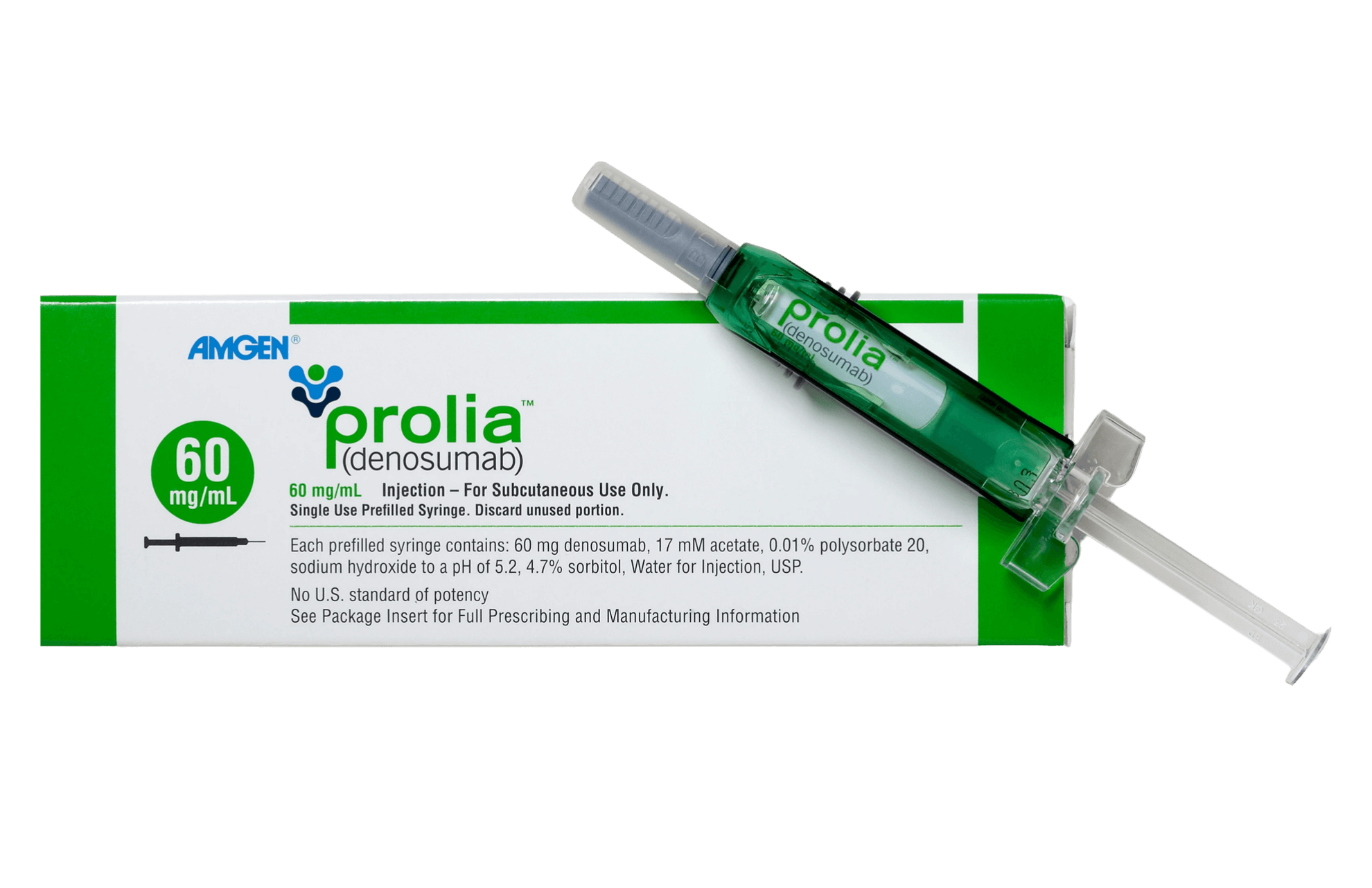
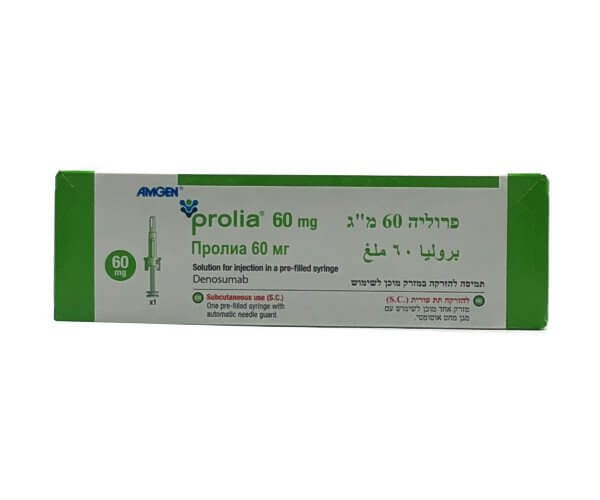
For visual reference only; actual product may vary
US Name:
Prolia
Alternative Names:
Prolia, Jubbonti
Active Ingredients:
Denosumab
Brand Manufacturer:
Brand
Manufacturer Location:
Netherlands
Click here to view Product Insert
For visual reference only; actual product may vary
Prolia (denosumab) is a prescription medication used to treat osteoporosis and prevent bone loss. It helps increase bone density and reduce the risk of fractures in eligible men and women. This injection is administered by a healthcare professional every six months.
| Prolia Brand | 60mg 1 Pre-Filled Syringe |
-
|
Our price: $550.00 |

|
| Jubbonti Generic | 60mg 1 Pre-Filled Syringe |
-
|
Our price: $650.00 |
Prolia is a brand-name prescription medication containing the active ingredient denosumab. It is a human monoclonal antibody used to treat bone loss and osteoporosis. Prolia helps strengthen bones and reduce the risk of fractures. This medication is essential for patients whose bones have become weak and brittle. It is not a steroid or a chemotherapy drug. Prolia works by targeting a specific protein involved in bone breakdown.
Prolia works by blocking a protein called RANKL (receptor activator of nuclear factor kappa-B ligand). This protein is a key signal for the formation and activity of osteoclasts. Osteoclasts are cells that break down bone tissue. By inhibiting RANKL, Prolia effectively reduces the breakdown of bone. This process helps to increase bone mass and density. Over time, this action makes bones stronger and less likely to fracture.
Prolia is for certain patients who are at high risk for bone fractures. This includes postmenopausal women with osteoporosis. It is also prescribed for men with osteoporosis who are at high risk. Prolia is used for individuals experiencing bone loss from certain cancer treatments. This applies to women with breast cancer taking aromatase inhibitors. It also includes men with prostate cancer undergoing androgen deprivation therapy. Finally, it helps those with bone loss from long-term glucocorticoid use.
Prolia is administered as a subcutaneous injection (an injection under the skin). A healthcare professional must give the injection. The standard dosage is 60 mg administered once every six months. It is typically injected in the upper arm, upper thigh, or abdomen. Your doctor will determine the exact protocol for your condition. It is also recommended to take calcium and vitamin D supplements as advised by your doctor to help the medication work effectively and prevent low blood calcium levels.
Prolia may cause side effects, some of which can be serious. Common side effects include back pain, muscle pain, and pain in the arms or legs. Some people may also experience high cholesterol or urinary tract infections. It is important to discuss all potential side effects with your healthcare provider before starting treatment.
More severe side effects can occur. These may include severe infections of the skin, abdomen, or bladder. A rare but serious side effect is osteonecrosis of the jaw (ONJ), which is damage to the jawbone. Another serious risk is atypical femoral fractures, which are unusual fractures of the thigh bone. Seek immediate medical attention if you experience severe pain, swelling, or signs of infection.
IsraelPharm offers a reliable and affordable way to purchase your prescription medications. We provide genuine Prolia manufactured by leading pharmaceutical companies. Our streamlined online ordering process is simple and secure. A dedicated team of pharmacists and healthcare professionals is available to answer your questions. We are committed to providing excellent customer service. Choose IsraelPharm for safe, convenient access to the medications you need at competitive prices, delivered directly to your door.
Common side effects of Prolia may include:
Inform a doctor immediately if you have signs of a serious side effect, such as:
Prolia (denosumab) is approved to reduce the risk of bone fractures in people with:
Prolia is administered as a subcutaneous injection, which means it is injected just under the skin. A healthcare professional must give the injection. It is typically given in the upper arm, upper thigh, or the abdomen area. You should not attempt to inject Prolia yourself. Your doctor or nurse will handle the administration during your scheduled appointments, which are usually six months apart.
Prolia is typically given once every six months. This dosing schedule is designed to provide continuous protection against bone loss. It is very important to stick to this schedule and get your injection on time. Missing or delaying a dose can decrease the medication's effectiveness and potentially increase your fracture risk. Your doctor will set up a schedule for your appointments.
Prolia can be used in patients with kidney problems, but caution is needed, especially if the disease is severe. Patients with advanced kidney disease have a higher risk of developing very low blood calcium levels (hypocalcemia) while on Prolia. Your doctor will monitor your kidney function and calcium levels closely. Always inform your doctor about your complete medical history, including any kidney conditions, before starting treatment.
Prolia should be administered as soon as possible if you miss a scheduled dose. After you receive the missed dose, your next injection should be rescheduled for six months from the date of that injection. It is crucial to maintain the six-month interval to ensure the medication remains effective at protecting your bones. Contact your doctor immediately to reschedule your appointment if you miss a dose.
Prolia requires you to take calcium and vitamin D supplements as prescribed by your doctor. This is very important because Prolia can lower the calcium levels in your blood. Taking these supplements helps maintain adequate calcium levels, supports bone health, and is necessary for the medication to work correctly. Your doctor will tell you the right amount of calcium and vitamin D you need to take daily.
Prolia may, in rare cases, cause a serious condition called osteonecrosis of the jaw (ONJ). This involves damage and decay of the jawbone. The risk is higher for patients with a history of dental problems or those who undergo invasive dental procedures. It is critical to maintain good oral hygiene and have a dental check-up before starting Prolia. Inform your dentist that you are taking this medication.
Prolia can affect the immune system, leading to an increased risk of infections. Serious infections involving the skin, abdomen, urinary tract, or ear have been reported. You should tell your doctor right away if you develop any signs of an infection, such as fever, chills, or red and swollen skin. While this risk exists, for many patients the benefits of preventing fractures outweigh this potential side effect.
Prolia must be stored in a refrigerator at temperatures between 2°C and 8°C (36°F and 46°F). It should be kept in its original carton to protect it from light. Do not freeze or shake the syringe. Before the injection, it can be left at room temperature for about 15 to 30 minutes to make the injection more comfortable. It must be used within 14 days of being removed from the refrigerator.
Prolia treatment should not be stopped without consulting your doctor. Stopping Prolia suddenly can lead to a rapid loss of bone density and may increase your risk of fractures, particularly in the spine. If you need to stop treatment, your doctor will discuss alternative medications or a plan to manage your bone health to prevent this rebound effect. Always follow your doctor's guidance.
Prolia begins to work quickly after the first injection to reduce bone breakdown. Studies show that its effect on increasing bone mineral density can be seen within the first few months. However, the primary goal is long-term fracture risk reduction. Consistent treatment every six months is necessary to build and maintain bone strength over time. Your doctor will monitor your progress with bone density scans.
Prolia is not a form of chemotherapy. Prolia is a monoclonal antibody, which is a type of targeted therapy. It works by specifically targeting a protein involved in bone breakdown. While monoclonal antibodies are also used in cancer treatment, Prolia's purpose is to manage osteoporosis and bone loss, not to treat cancer itself. It has a different mechanism and side effect profile than traditional chemotherapy drugs.
Prolia does not have a direct interaction with alcohol. However, chronic and heavy alcohol consumption is a risk factor for osteoporosis and can increase the risk of falls and fractures. It is generally advisable to limit alcohol intake while being treated for bone loss. Always discuss your alcohol consumption with your doctor to receive personalized advice for your health situation.
Prolia may cause hair loss (alopecia) in a small number of people, though it is not one of the most common side effects. Most patients receiving Prolia do not experience any significant changes to their hair. If you notice unusual hair thinning or loss after starting treatment, you should discuss it with your healthcare provider. They can help determine if it is related to the medication or another cause.
Send Your Prescription
No Hidden Fees
Generally 7-10 Business Days

IsraelPharm has been delivering lost cost prescriptions from Israel for over 15 years worldwide. Daily flights allow us to get your medications dispatched fast! Delivery to the USA is under 10 days and you can track and trace every order.

Struggling with acid reflux? Sarah Ryan shares her personal experience using Nexium for GERD and how to find affordable brand-name relief through a licensed pharmacy.

Polycystic Metabolic Ovarian Syndrome (PMOS) is the new clinical name for the condition long known as Polycystic Ovary Syndrome (PCOS). The change reflects a deeper scientific understanding that insulin resistance and metabolic dysfunction sit at

Off-label prescribing means using an FDA-approved medication outside thant defined approved use.
The drug itself is identical; only the purpose, dose, age group, or form differs.
Off-label prescribing is legal in the United States and is governed by physician judgement.