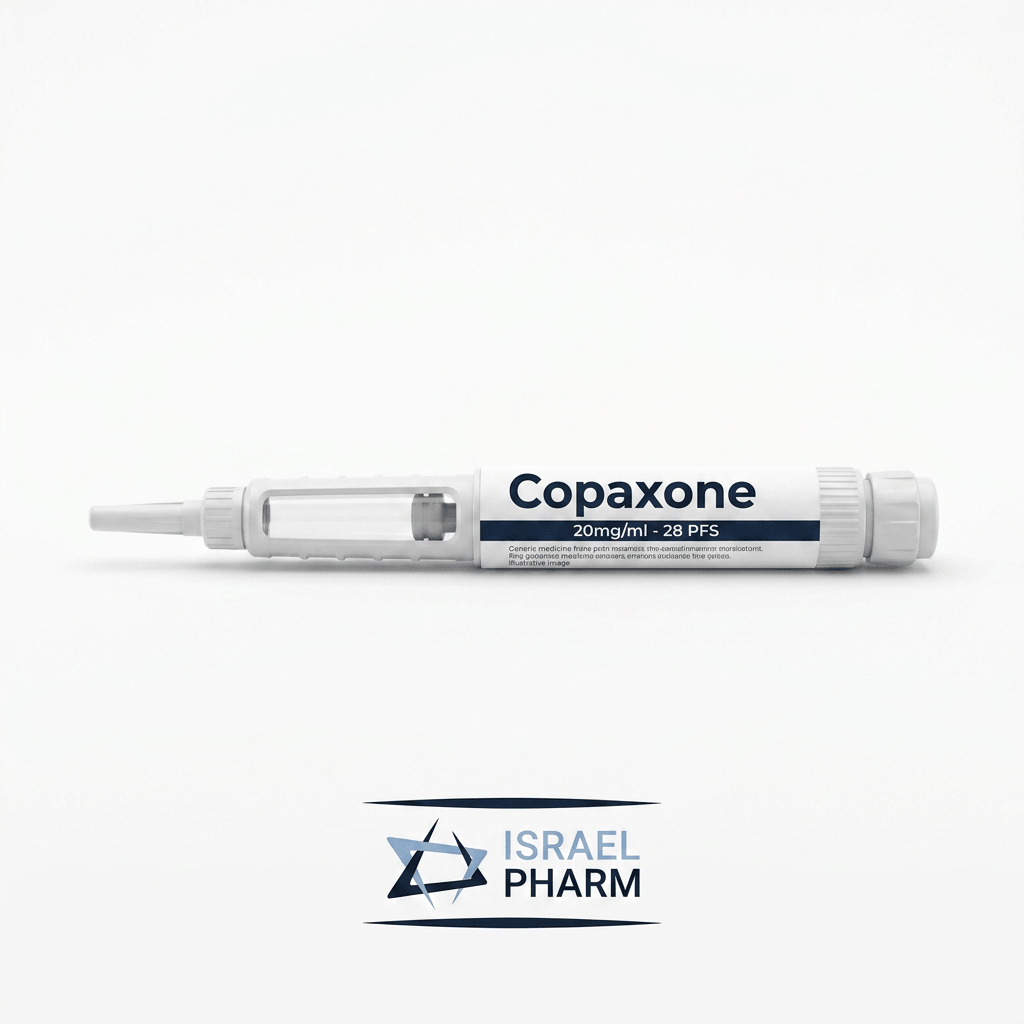
What is Copaxone?
Copaxone is an FDA-approved prescription medication used to treat relapsing forms of multiple sclerosis (MS) in adults. Its active ingredient, glatiramer acetate, is a synthetic compound that mimics a basic protein found in myelin—the protective sheath that covers nerve fibers in the central nervous system. By acting as a sort of decoy, Copaxone helps to prevent the immune system from mistakenly attacking its own myelin, which is the underlying cause of nerve damage in MS. It is considered an immunomodulator, not an immunosuppressant, meaning it modifies the immune system’s behavior rather than suppressing it entirely. This makes it a widely used first-line therapy for patients who have experienced a first clinical episode (Clinically Isolated Syndrome), as well as those with Relapsing-Remitting MS (RRMS) and Active Secondary Progressive MS.
How does Copaxone work?
Copaxone works by modulating the body’s immune response to prevent it from attacking the central nervous system. The glatiramer acetate in Copaxone is structurally similar to a component of the myelin sheath. It is thought to work in two main ways. First, it competes with myelin antigens for binding to immune cells, effectively diverting the immune attack away from your nerves. Second, it shifts the immune cell population from pro-inflammatory T-cells, which cause damage, to anti-inflammatory T-cells. These regulatory cells can migrate to the brain and spinal cord, where they produce anti-inflammatory substances that help calm the local inflammation and protect nerve fibers from further demyelination and damage.
Who is Copaxone for?
Copaxone is for adults diagnosed with relapsing forms of multiple sclerosis, including clinically isolated syndrome (CIS), relapsing-remitting MS (RRMS), and active secondary progressive MS (SPMS). It is often prescribed to patients who have experienced their first neurological episode suggestive of MS and have MRI findings consistent with the disease, deeming them at high risk for developing clinically definite MS. Because it is not an immunosuppressant and is generally well-tolerated, it is a suitable option for long-term management of the disease. It aims to reduce the number of flare-ups (relapses) and may also slow the progression of physical disability over time.
Dosage and administration
Copaxone is typically administered as a subcutaneous (under the skin) injection, available in pre-filled syringes. There are two common dosing schedules prescribed by doctors: a 20 mg injection given once daily or a higher 40 mg dose given three times a week, with at least 48 hours between injections. Patients are taught to self-inject the medication in areas such as the abdomen, arms, hips, and thighs, rotating the injection site each time to minimize skin reactions. Proper storage is critical; Copaxone should be kept refrigerated (36°F to 46°F). If refrigeration is not possible, it can be stored at room temperature (59°F to 77°F) for up to one month, but should not be returned to the refrigerator after being kept at room temperature.
Side effects
The most common side effects of Copaxone are injection site reactions, such as redness, pain, swelling, itching, or a lump at the injection site. These are usually mild and temporary. Some people may also experience an “Immediate Post-Injection Reaction,” which can include flushing, chest pain, a fast heartbeat, anxiety, and shortness of breath. This reaction is typically short-lived and resolves on its own. Another potential long-term side effect is lipoatrophy, which is the localized loss of fatty tissue under the skin, creating a “dent.” This can be permanent, so it’s vital to rotate injection sites as instructed by your healthcare provider to reduce this risk.
Why buy from IsraelPharm?
IsraelPharm offers a reliable and affordable way to purchase your Copaxone prescription online from a trusted pharmacy. We are committed to providing access to authentic, brand-name medications like Copaxone, which is manufactured by Teva Pharmaceutical Industries—a global leader headquartered in Israel. By sourcing directly, we can offer competitive pricing that helps reduce the financial burden of long-term MS treatment. Our streamlined ordering process, dedicated customer service, and reliable international shipping ensure you receive your medication safely and conveniently, allowing you to focus on managing your health without interruption.
Like all medications, Copaxone can cause side effects. It’s important to discuss these with your doctor.
Most Common Side Effects:
- Redness, pain, swelling, itching, or a lump at the injection site
- Anxiety
- Flushing (a feeling of warmth)
- Rash
- Shortness of breath
- Fast heart beat
Less Common but Serious Side Effects:
- Immediate Post-Injection Reaction: This may include chest pain, flushing, palpitations, and trouble breathing. It usually resolves quickly.
- Lipoatrophy: A permanent indentation in the skin at an injection site due to loss of fat tissue.
- Liver problems: In rare cases, Copaxone may cause liver injury.
If you experience severe or persistent side effects, contact your healthcare provider immediately.
Copaxone is indicated for the treatment of relapsing forms of multiple sclerosis (MS) in adults, including:
- Clinically Isolated Syndrome (CIS): For patients who have had their first clinical episode and have MRI features consistent with MS.
- Relapsing-Remitting Multiple Sclerosis (RRMS): To reduce the frequency of relapses.
- Active Secondary Progressive Multiple Sclerosis (SPMS): For patients who still experience relapses.