Login

Fast Delivery

Ships from Israel

Secure Payment
Genuine Brands
Pharmacist Oversight
Proudly Israeli
Free Shipping on orders over $99*
Spend $99, get free U.S. shipping*
Tariff now required on U.S. shipments. Learn more »
Tel: 1-866-456-3768 Fax: 1-866-544-8993

For visual reference only; actual product may vary
US Name:
Cellcept
Alternative Names:
Cellcept
Active Ingredients:
Mycophenolate
Brand Manufacturer:
Roche
Manufacturer Location:
Switzerland
Click here to view Product Insert

For visual reference only; actual product may vary
Cellcept (Mycophenolate) is an essential immunosuppressant medication used to prevent your body from rejecting a transplanted kidney, heart, or liver. It works by weakening your immune system to help it accept the new organ, and is a crucial part of post-transplant care.
| Cellcept Brand | 250mg 100 Capsules |
-
|
Our price: $184.00 |
|
| Cellcept Brand | 500mg 50 Capsules |
-
|
Our price: $184.00 |
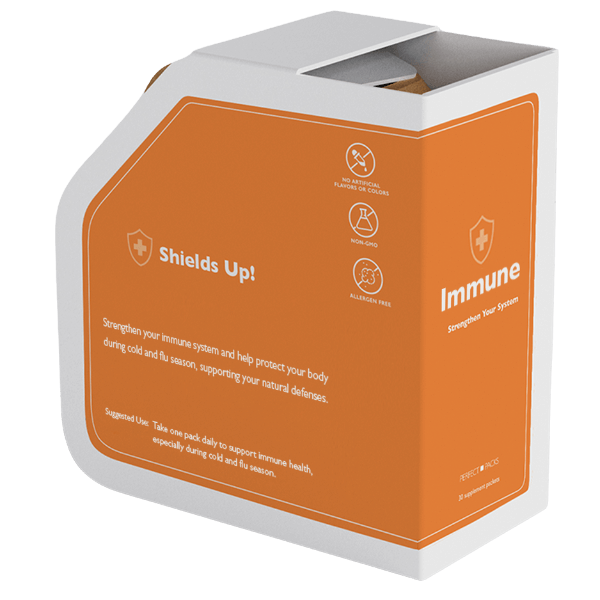
Immune Pack | 30 Pouches 1 Pouch a Day | –+ | Our price: $59.50 |
Cellcept is an immunosuppressant medication used to prevent your body from rejecting a transplanted organ, such as a kidney, heart, or liver. Its active ingredient is mycophenolate mofetil. This medicine is a critical part of post-transplant care, helping your body accept the new organ as its own. It is typically taken in combination with other immunosuppressant drugs like cyclosporine and corticosteroids to achieve the best outcome and ensure the long-term success of your transplant.
Cellcept works by intentionally weakening your body’s immune system, which is your natural defense against foreign invaders. After an organ transplant, your immune system sees the new organ as a threat and tries to attack it, leading to rejection. Cellcept blocks the production of specific white blood cells (lymphocytes) that are responsible for this attack. By suppressing this immune response, the medication allows the transplanted organ to function properly in its new environment without being harmed.
Cellcept is specifically for patients who have undergone a kidney, liver, or heart transplant and need to prevent their body from rejecting the new organ. It’s a long-term treatment that starts soon after the transplant surgery. This medication is suitable for adults and sometimes children, as determined by a specialist. It is not for individuals with certain underlying conditions, those who are pregnant or planning to be, or anyone with a known allergy to mycophenolate. A doctor will evaluate your full medical history to decide if Cellcept is the right choice for you.
The dosage of Cellcept is carefully determined by your doctor based on the type of organ you received and your individual health needs. It is available as capsules, tablets, or a liquid suspension and is usually taken twice a day on an empty stomach, one hour before or two hours after a meal. You should swallow the tablets or capsules whole with a full glass of water; do not crush or chew them. Consistency is key, so try to take your doses at the same times each day to maintain a stable level of the medication in your body. Never change your dose without consulting your transplant team.
The most significant effect of Cellcept is that it lowers your body’s ability to fight infections, making you more susceptible to illnesses. Common side effects can include diarrhea, nausea, vomiting, headache, and changes in your blood pressure or blood cell counts. Some people may also experience skin problems, tremors, or feelings of anxiety. More serious risks include the potential for developing certain types of cancer, like skin cancer or lymphoma. It is crucial to report any new or worsening symptoms to your doctor immediately. Due to the risk of skin cancer, you should limit your exposure to sunlight and use high-SPF sunscreen.
Choosing IsraelPharm for your Cellcept prescription ensures you receive authentic, brand-name medication from a trusted and reliable source at a competitive price. We understand the critical nature of post-transplant care, which is why we are dedicated to providing a seamless and professional service. Our licensed pharmacists are available to answer your questions and provide support, making it simple to manage your long-term medication needs. With discreet shipping directly to your home, IsraelPharm offers a secure and convenient way to purchase your essential transplant medications.
Common side effects of Cellcept can include:
This is not a complete list. Cellcept can cause serious side effects, including an increased risk of infections and certain types of cancer. If you experience severe symptoms like trouble breathing, facial swelling, or severe skin reactions, seek emergency medical help immediately.
Cellcept is an immunosuppressant medication prescribed for the following purposes:
If you miss a dose, take it as soon as you remember. However, if it's almost time for your next scheduled dose, skip the missed one and return to your regular schedule. Do not take two doses at once to make up for a missed one. Consistent timing is important for this medication's effectiveness, so try your best to stick to your prescribed routine.
It is recommended to take Cellcept on an empty stomach, either one hour before or two hours after a meal. Taking it with food can decrease the amount of medication your body absorbs, potentially making it less effective. If taking it on an empty stomach causes significant upset, speak with your doctor about the best way to manage your dose.
Regular blood tests are crucial while taking Cellcept to monitor its effects on your body. These tests check your blood cell counts, as Cellcept can sometimes lower white blood cells (increasing infection risk) or red blood cells (causing anemia). They also help your doctor ensure your liver and kidneys are functioning well and that you have the right amount of the drug in your system.
Yes, because Cellcept suppresses the immune system, it can increase the long-term risk of developing certain types of cancers, particularly skin cancer and lymphoma. It is very important to protect your skin from the sun by wearing protective clothing, a hat, and using a high-SPF sunscreen whenever you are outdoors. Regular skin checks are also recommended.
You should not receive "live" vaccines while being treated with Cellcept, as they could cause a serious infection. These include vaccines like the measles, mumps, and rubella (MMR) and the nasal flu vaccine. Inactivated (killed) vaccines, such as the standard flu shot, are generally safe but may be less effective. Always consult your doctor before getting any vaccine.
Hair loss can be a side effect for some people taking Cellcept. This occurs because the medication can affect rapidly dividing cells, which includes hair follicles. The hair loss is not always permanent. If you experience this and it is bothersome, discuss it with your healthcare provider. Do not stop taking your medication without your doctor's approval.
You should store Cellcept at room temperature, away from excess heat and moisture. Keep the medication in its original container with the lid tightly closed. Do not store it in a bathroom where it can be exposed to humidity. As with all medications, keep it safely out of the reach of children and pets to prevent accidental ingestion.
Yes, gastrointestinal issues are among the most common side effects of Cellcept. These can include diarrhea, nausea, vomiting, and stomach pain. Taking the medication as prescribed and staying hydrated can sometimes help manage these symptoms. If these problems are severe or persistent, contact your doctor, as they may be able to adjust your treatment plan.
Cellcept can cause severe birth defects or miscarriage if taken during pregnancy. It is absolutely critical for female patients who can become pregnant to use highly effective contraception before, during, and for at least six weeks after stopping treatment. Your doctor will require a negative pregnancy test before starting the medication and will discuss reliable birth control options with you.
Men taking Cellcept should use condoms during treatment and for at least 90 days after their last dose. This is because the medication can be present in semen, and it's important to prevent a pregnant partner's exposure. If you are planning to start a family, you must discuss this with your transplant team well in advance to create a safe plan.
Yes. You should avoid taking antacids containing magnesium or aluminum hydroxide at the same time as Cellcept, as they can reduce its absorption. Separate your doses by at least two hours. Also, consult your doctor before taking any new over-the-counter drugs, supplements, or herbal products to ensure there are no potential interactions.
Because Cellcept weakens your immune system, you need to be vigilant for signs of infection. These can include fever, chills, sore throat, cough, body aches, ear or sinus pain, and pain during urination. Also watch for sores, wounds that won't heal, or white patches in your mouth. Report any of these signs to your doctor right away.
Yes, Cellcept can interact with several other medications. For example, certain antibiotics, antiviral medications, and drugs that affect the stomach's acid levels can alter how Cellcept works. It is vital that your transplant doctor knows about every single medication you take, including those prescribed by other doctors, to manage your treatment safely and effectively.
Send Your Prescription
No Hidden Fees
Generally 7-10 Business Days

IsraelPharm has been delivering lost cost prescriptions from Israel for over 15 years worldwide. Daily flights allow us to get your medications dispatched fast! Delivery to the USA is under 10 days and you can track and trace every order.


Struggling with acid reflux? Sarah Ryan shares her personal experience using Nexium for GERD and how to find affordable brand-name relief through a licensed pharmacy.

Polycystic Metabolic Ovarian Syndrome (PMOS) is the new clinical name for the condition long known as Polycystic Ovary Syndrome (PCOS). The change reflects a deeper scientific understanding that insulin resistance and metabolic dysfunction sit at