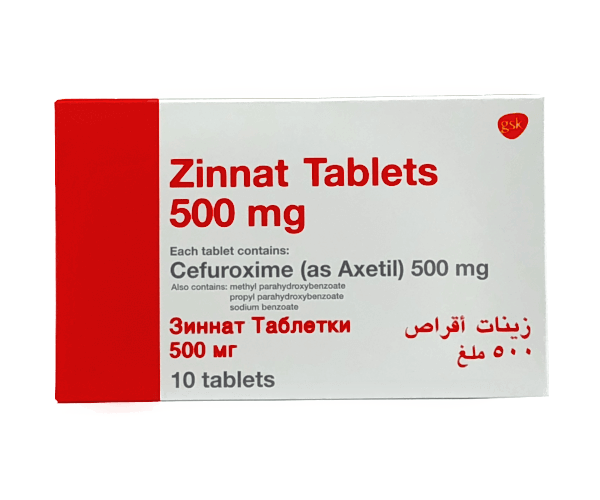
What is Ceftin?
Ceftin is a prescription antibiotic medication used to treat a wide variety of bacterial infections. Its active ingredient, Cefuroxime, belongs to a class of antibiotics known as cephalosporins. Ceftin is effective against bacteria responsible for causing illnesses such as respiratory tract infections, skin infections, urinary tract infections (UTIs), and even early Lyme disease. It is a second-generation cephalosporin, which means it has a broader spectrum of activity against different types of bacteria compared to first-generation drugs. By targeting and eliminating harmful bacteria, Ceftin helps to resolve infections and alleviate the symptoms they cause, restoring your health.
How does Ceftin work?
Ceftin works by stopping bacteria from building their protective cell walls, which ultimately causes them to die. Every bacterium is enclosed in a strong, rigid wall that protects it from its surroundings and prevents it from bursting. Ceftin specifically targets and blocks the enzymes that are essential for creating this wall. Without the ability to maintain or repair its cell wall, the bacterium becomes weak and ruptures. This mechanism of action, known as being ‘bactericidal,’ allows Ceftin to effectively kill the bacteria causing the infection and prevent them from multiplying further in the body.
Who is Ceftin for?
Ceftin is for adults and children who have been diagnosed with specific bacterial infections that are susceptible to its active ingredient, cefuroxime. It is not effective against viral infections like the common cold or flu. Doctors commonly prescribe Ceftin for patients with respiratory infections like bronchitis and pneumonia, skin and soft tissue infections, and urinary tract infections (UTIs). It is also a primary treatment for middle ear infections (otitis media) in children and is used to treat early-stage Lyme disease in both adults and children. Additionally, a healthcare provider may prescribe it off-label for sinus infections.
Dosage and administration
The correct dosage and administration of Ceftin depend on the type and severity of the infection being treated and must always be determined by a healthcare provider. Ceftin tablets are taken orally, typically twice a day for a course of 7 to 10 days. It is very important to take the tablets with food, as this helps your body absorb the medication more effectively and can reduce the chance of an upset stomach. Always complete the full course of antibiotics prescribed by your doctor, even if you start to feel better before the medication is finished. Stopping early can lead to the infection returning and becoming harder to treat.
Side effects
Like all medications, Ceftin can cause side effects, although not everyone will experience them and most are mild. The most common side effects include diarrhea, nausea, vomiting, headaches, and sometimes a mild skin rash. These symptoms often resolve on their own as your body adjusts to the medication. However, Ceftin can cause a severe allergic reaction in some individuals, especially those with a known allergy to penicillin. Signs of a serious reaction include a severe rash, itching or swelling (especially of the face, tongue, or throat), severe dizziness, and trouble breathing. If you experience any of these severe symptoms, you should seek emergency medical attention immediately.
Why buy from IsraelPharm?
Buying from IsraelPharm offers a convenient and cost-effective way to access genuine Ceftin manufactured by GSK. We are committed to providing our customers with safe, affordable, and authentic medications sourced from a regulated supply chain. Our user-friendly online platform makes it easy to fill your prescription from the comfort of your home. With competitive pricing and dedicated customer support staffed by experienced pharmacy professionals, IsraelPharm is a trusted partner in managing your health. We ensure that you receive the same high-quality medication you would find at your local pharmacy, delivered directly and discreetly to your door.
Please consult a doctor or pharmacist for a full list of side effects and to determine if this medication is right for you. While many people experience no side effects, some may occur.
Common Side Effects:
- Diarrhea
- Nausea or vomiting
- Headache
- Mild skin rash
Severe Side Effects:
Seek immediate medical attention if you experience signs of a severe allergic reaction, which may include:
- Severe skin rash, blistering, or peeling
- Itching or swelling, especially of the face, tongue, or throat
- Severe dizziness or fainting
- Difficulty breathing or wheezing
Ceftin is a prescription antibiotic used to treat a variety of infections caused by susceptible strains of bacteria:
- Respiratory Tract Infections: Effectively treats conditions affecting the lungs and airways, such as pneumonia and bronchitis.
- Otitis Media: A common treatment for middle ear infections, particularly in children following a respiratory illness.
- Skin and Soft Tissue Infections: Used to clear bacterial infections that enter through breaks in the skin, causing redness, swelling, and pain.
- Urinary Tract Infections (UTIs): Prescribed for infections in the bladder, kidneys, or urethra to relieve symptoms like pain and frequent urination.
- Early Lyme Disease: An important treatment for this tick-borne illness to prevent progression to more severe complications.
- Sinus Infections (Off-Label): May be prescribed to reduce inflammation and clear infection in the sinus cavities.