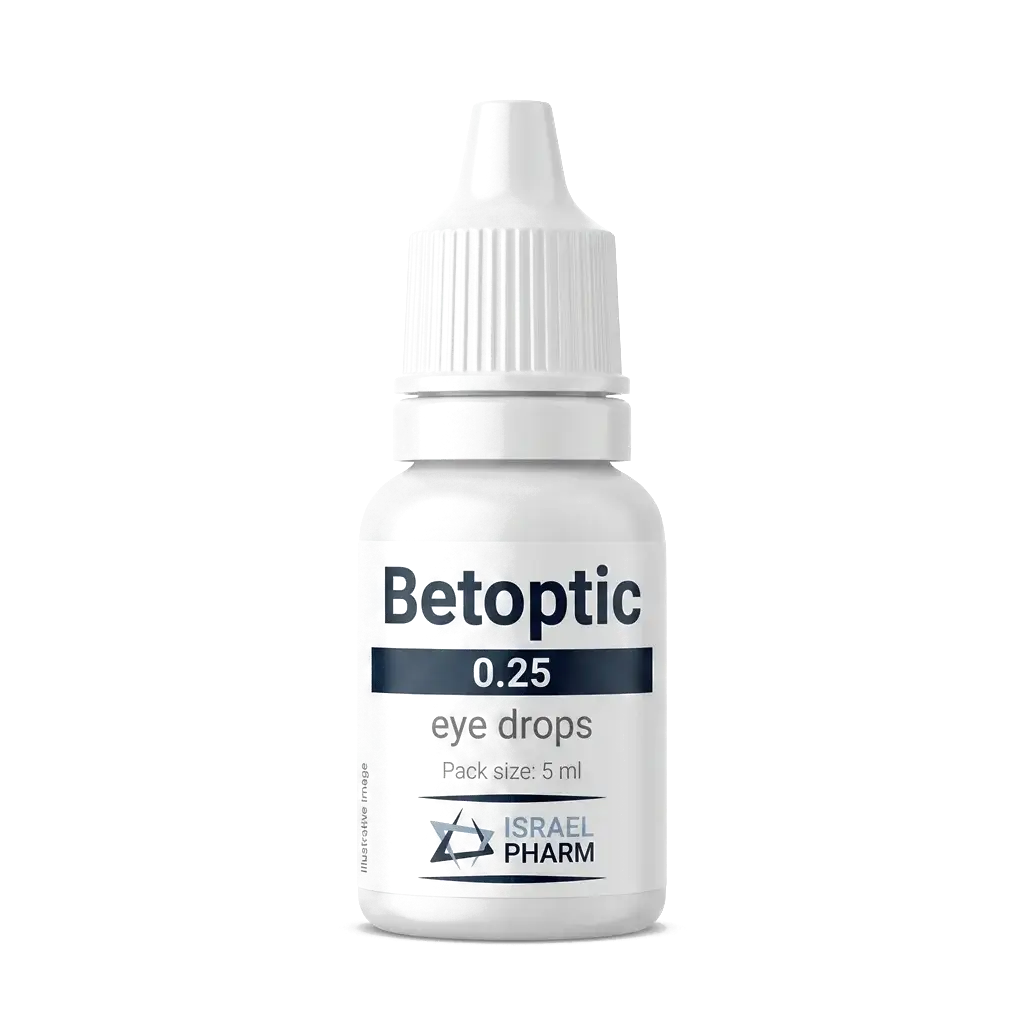
What is Betoptic?
Betoptic is the brand name for betaxolol, a prescription eye drop used to treat high pressure inside the eye. This medication is primarily prescribed for patients with open-angle glaucoma or ocular hypertension. High intraocular pressure (IOP) is a significant risk factor for glaucoma, a condition that can damage the optic nerve and lead to irreversible vision loss if left untreated. By effectively lowering this pressure, Betoptic helps to protect your eyes and preserve your sight.
How does Betoptic work?
Betoptic works by reducing the production of aqueous humor, the fluid inside your eye. It belongs to a class of drugs called beta-blockers. Think of the fluid production in your eye like a running faucet; Betoptic helps to turn down the flow. It selectively blocks beta-1 adrenergic receptors in the ciliary body of the eye, which is the structure responsible for producing this fluid. This decrease in fluid production leads to a lower, more stable intraocular pressure, relieving the stress on your optic nerve.
Who is Betoptic for?
Betoptic is intended for adults who have been diagnosed with open-angle glaucoma or ocular hypertension and need to lower their intraocular pressure (IOP). It is a suitable option for patients who require a long-term management solution to prevent the progression of optic nerve damage. Your ophthalmologist may prescribe it as a standalone therapy or in combination with other eye drops to achieve the target eye pressure. It is specifically useful for patients who might benefit from a cardioselective beta-blocker, potentially causing fewer respiratory side effects than non-selective options.
Dosage and administration
The dosage of Betoptic is determined by your doctor and is tailored to your specific condition and response to treatment. The standard dosage is typically one drop in the affected eye or eyes twice daily, approximately 12 hours apart. To administer the eye drop, first wash your hands. Gently pull down your lower eyelid to create a small pocket and instill one drop, being careful not to let the dropper tip touch your eye or any other surface. Close your eye for a minute or two without blinking to allow the medication to be absorbed.
Side effects
Like all medications, Betoptic may cause side effects, though not everyone will experience them. The most common side effects are localized to the eye and include temporary stinging, burning, or discomfort upon application. Some patients may also experience temporary blurred vision. Less commonly, the medication can be absorbed into the bloodstream and cause systemic effects like a slowed heart rate, dizziness, fatigue, or headache. If you experience any severe or persistent side effects, such as trouble breathing or fainting, contact your doctor immediately.
Why buy from IsraelPharm?
IsraelPharm provides a reliable and affordable way to purchase essential medications like Betoptic. We source our products from licensed manufacturers and distributors, ensuring you receive authentic, high-quality medication. By avoiding the high overhead costs of traditional pharmacies, we can offer significant savings directly to you. Our user-friendly online platform, dedicated customer support, and direct-to-door delivery make managing your prescriptions convenient and stress-free. Choose us for a cost-effective solution to your long-term eye care needs without compromising on quality or safety.
Patients using Betoptic may experience side effects. It is important to discuss these with your doctor.
Common Side Effects:
- Temporary stinging, burning, or discomfort in the eye
- Watery or dry eyes
- Temporary blurred vision after application
- Feeling as if something is in the eye
Less Common or Serious Side Effects:
- Slowed or irregular heartbeat
- Dizziness or fainting
- Difficulty breathing or wheezing (especially in patients with a history of asthma)
- Muscle weakness
- Swelling of hands or feet
- Severe eye pain or redness
Betoptic (betaxolol) is indicated for the treatment of elevated intraocular pressure (IOP) in patients with the following conditions:
- Open-Angle Glaucoma: A chronic condition that gradually damages the optic nerve.
- Ocular Hypertension: High pressure within the eye without detectable optic nerve damage.