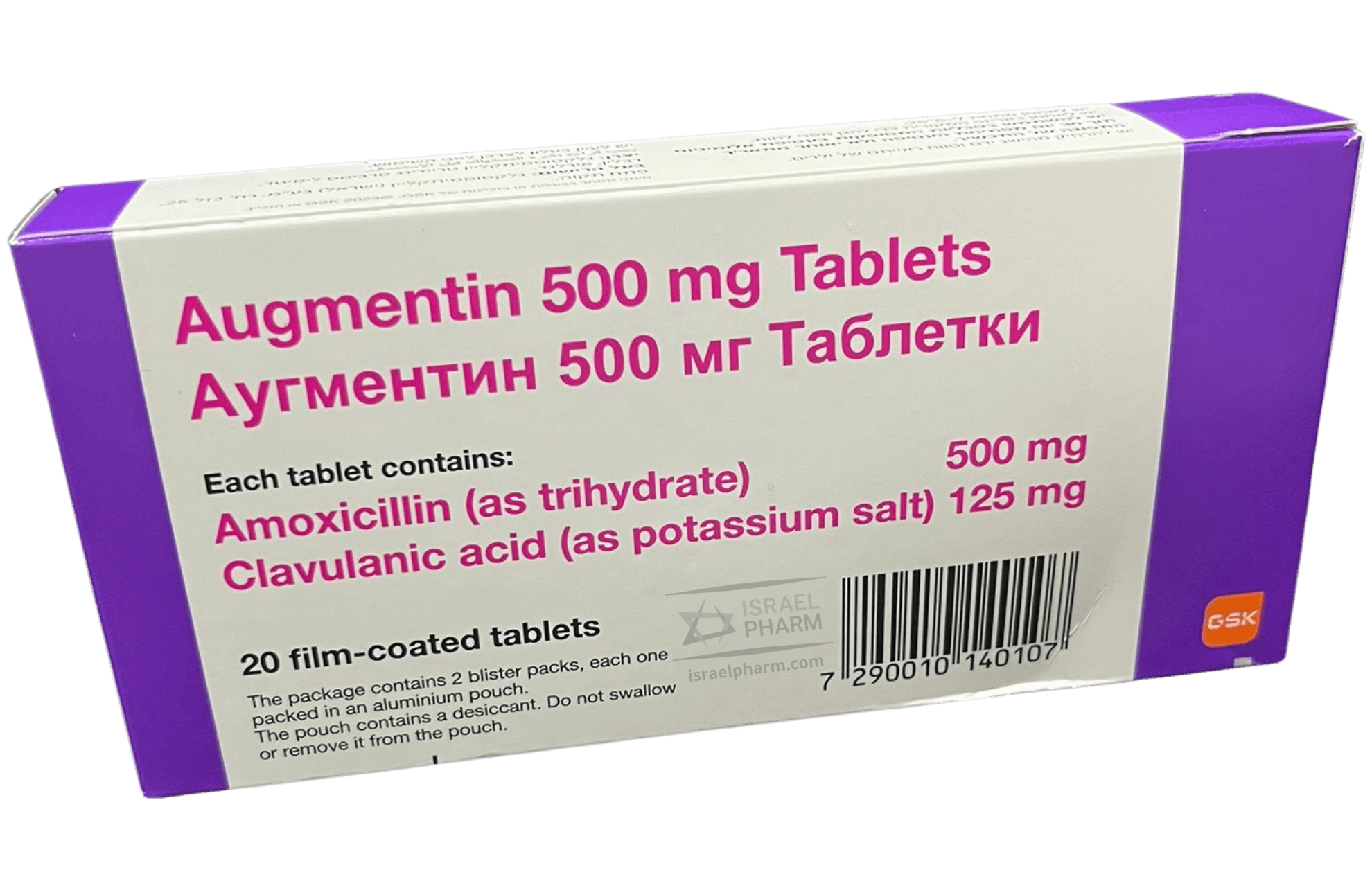
What is Augmentin?
Augmentin is a prescription combination antibiotic medication used to treat a wide variety of infections caused by bacteria. It contains two active ingredients: amoxicillin, which belongs to the penicillin class of antibiotics, and clavulanate potassium (also known as clavulanic acid). The addition of clavulanate makes Augmentin effective against bacteria that may be resistant to amoxicillin alone, providing a broader spectrum of activity to ensure the infection is treated effectively.
How does Augmentin work?
Augmentin works through a dual-action mechanism to eliminate bacteria. The first component, amoxicillin, functions by stopping bacteria from building their cell walls, which are essential for their survival. This action ultimately causes the bacteria to die. However, some bacteria produce an enzyme called beta-lactamase, which can break down amoxicillin and render it ineffective. This is where the second component, clavulanate, comes in. Clavulanate is a beta-lactamase inhibitor that blocks this enzyme, protecting the amoxicillin and allowing it to kill the bacteria without interference.
Who is Augmentin for?
Augmentin is for adults and children who have been diagnosed by a healthcare provider with a bacterial infection that is susceptible to this specific antibiotic combination. It is commonly prescribed for patients with respiratory tract infections like bacterial sinusitis, bronchitis, and community-acquired pneumonia. It is also a frequent choice for treating middle ear infections (otitis media), certain skin and soft tissue infections, and urinary tract infections (UTIs). This medication is not effective for viral infections such as the common cold or flu.
Dosage and administration
The correct dosage and administration of Augmentin depend entirely on the specific type and severity of the infection being treated, as well as the patient’s age, weight, and kidney function. A doctor will determine the appropriate strength and frequency. Augmentin is typically taken orally every 8 or 12 hours. To reduce the chance of stomach upset, it is often recommended to take the medication at the start of a meal. It is critically important to complete the entire prescribed course of treatment, even if you start to feel better, to ensure the infection is fully eradicated and prevent antibiotic resistance.
Side effects
Like all medications, Augmentin can cause side effects, though not everyone will experience them. The most common side effects are gastrointestinal, including diarrhea, nausea, vomiting, and indigestion. Some people may also develop a mild skin rash or yeast infections. More serious, but less common, side effects can include severe allergic reactions (difficulty breathing, hives, swelling of the face or throat), severe skin reactions, or signs of liver problems (yellowing skin or eyes, dark urine). If you experience any severe or concerning side effects, you should contact your doctor immediately.
Why buy from IsraelPharm?
Choosing IsraelPharm for your medication needs provides a blend of convenience, reliability, and affordability. We are dedicated to providing access to genuine, brand-name medications like Augmentin, sourced from a trusted and regulated supply chain. Our user-friendly online platform makes ordering simple and secure, delivering your prescriptions directly to your door. With competitive pricing and a commitment to excellent customer service, IsraelPharm is a smart choice for managing your health and your budget without compromising on quality or safety.
Most people taking Augmentin experience no or only minor side effects. However, you should be aware of potential reactions.
Common Side Effects:
- Diarrhea or loose stools
- Nausea and vomiting
- Skin rash and hives
- Vaginal yeast infections
Serious Side Effects (Contact your doctor immediately):
- Severe or watery diarrhea (may be a sign of C. difficile infection)
- Signs of an allergic reaction (difficulty breathing, swelling of the face, lips, or tongue)
- Unusual bleeding or bruising
- Yellowing of the skin or eyes (jaundice)
Augmentin is a broad-spectrum antibiotic indicated for the treatment of a range of bacterial infections. It is commonly prescribed for:
- Lower Respiratory Tract Infections: Including community-acquired pneumonia and bronchitis caused by susceptible bacteria.
- Ear, Nose, and Throat Infections: Such as recurrent or persistent acute otitis media (middle ear infection) and sinusitis.
- Skin and Skin Structure Infections: Caused by specific strains of bacteria, including cellulitis and animal bites.
- Urinary Tract Infections: Such as cystitis, though it is often reserved for more complicated cases or when other antibiotics are not suitable.