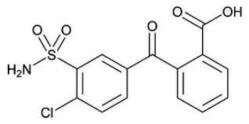
What is Aquadon?
Aquadon is a prescription medication, known generically as Chlorthalidone, used to treat high blood pressure and fluid retention. It belongs to a class of drugs called diuretics, often referred to as “water pills.” By helping your body remove excess salt and water, it plays a crucial role in managing cardiovascular health. Aquadon is an effective and well-established treatment option prescribed by doctors to help patients maintain healthy blood pressure levels and reduce swelling.
How does Aquadon work?
Aquadon works by acting on the kidneys to increase the amount of salt and water that is passed out of the body in urine. This process, known as diuresis, reduces the total volume of fluid circulating in your bloodstream. With less fluid, there is less pressure against the walls of your arteries, which results in lower blood pressure. For patients with edema (swelling), this same mechanism helps to decrease the buildup of excess fluid in body tissues, providing relief from discomfort and related symptoms.
Who is Aquadon for?
Aquadon is for adults who have been diagnosed with high blood pressure (hypertension) or who are experiencing edema due to conditions like congestive heart failure or kidney problems. This medication is suitable for patients who need to lower their blood pressure to reduce the risk of strokes, heart attacks, and other cardiovascular events. It is also prescribed for individuals who need to manage swelling in their ankles, feet, and hands. Your doctor will determine if Aquadon is the right choice for you based on your medical history and current health status.
Dosage and administration
The dosage of Aquadon is determined by your doctor based on your specific condition and should be taken exactly as prescribed, typically once daily in the morning. Taking Aquadon in the morning helps prevent the need to urinate frequently during the night. It can be taken with or without food, but taking it the same way each day helps maintain a consistent level of the medication in your body. It is important not to alter your dose or stop taking the medication without first consulting your healthcare provider.
Side effects
The most common side effects of Aquadon include dizziness, lightheadedness, increased urination, and headache. While many people taking Aquadon experience no side effects, some may occur as your body adjusts to the medication. These can also include an upset stomach or increased sensitivity to the sun. More serious side effects, though less common, can occur, such as dehydration, muscle cramps, or changes in your heartbeat. If you experience any severe or persistent side effects, it is crucial to contact your doctor immediately.
Why buy from IsraelPharm?
IsraelPharm offers a reliable and affordable way to purchase Aquadon and other essential medications online, delivered directly to your door. We are committed to providing access to safe, authentic medications from licensed sources. Our user-friendly platform makes it easy to manage your prescriptions, and our customer service team is available to assist you. By choosing IsraelPharm, you benefit from competitive pricing without compromising on quality or safety, ensuring you can manage your health conveniently and effectively.
Like all medications, Aquadon (Chlorthalidone) may cause side effects. Not everyone will experience them.
Common side effects may include:
- Dizziness or lightheadedness, especially when standing up
- Increased urination
- Headache
- Nausea or upset stomach
- Increased sensitivity to sunlight
Seek medical attention if you experience more serious side effects, such as:
- Severe muscle cramps or weakness
- Irregular heartbeat
- Signs of dehydration (dry mouth, extreme thirst, confusion)
- Eye pain or vision changes
- Signs of an allergic reaction (rash, itching, swelling)
This is not a complete list. Consult your doctor or pharmacist for a full list of potential side effects and to discuss any concerns.
Aquadon (Chlorthalidone) is primarily indicated for the treatment of:
- High Blood Pressure (Hypertension): It is used alone or in combination with other antihypertensive agents to lower elevated blood pressure.
- Edema (Fluid Retention): It is used to reduce swelling and fluid buildup associated with conditions like congestive heart failure, cirrhosis of the liver, and kidney disorders.