
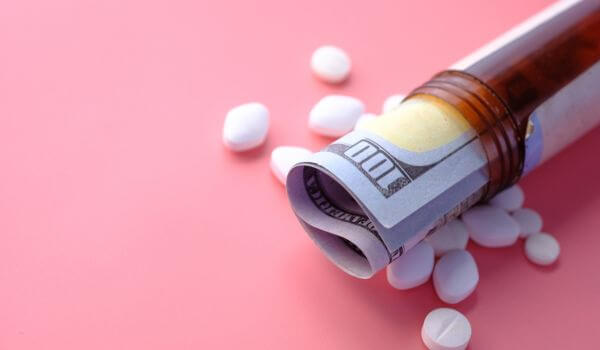
The Crisis of Rising Drug Prices in the US
There’s a lot of talk on Capitol Hill about the need to address high drug prices and the spiraling cost of medications in the US. This is a subject that pops up quite regularly, perhaps in
Spend $99, get free U.S. shipping*
Tel: 1-866-456-3768 Fax: 1-866-544-8993

For visual reference only; actual product may vary
US Name:
Acomplia
Alternative Names:
Acomplia
Active Ingredients:
Rimonabant
Brand Manufacturer:
Sanofi-Aventis
Manufacturer Location:
Click here to view Product Insert
Click here to view Product Insert
Click here to view Product Insert
For visual reference only; actual product may vary
Acomplia (Rimonabant) is a discontinued anti-obesity drug. It was prescribed to help manage weight in conjunction with diet and exercise but was withdrawn globally due to safety concerns, including a risk of severe psychiatric side effects. This page provides historical information on its use, mechanism, and withdrawal.
This product is not currently available
Acomplia is the former brand name for the drug rimonabant, an anti-obesity medication that has been discontinued worldwide. It was developed by the pharmaceutical company Sanofi-Aventis to help people lose weight by curbing their appetite. After being approved in Europe in 2006, it was withdrawn from the market completely in 2008 due to significant safety concerns, specifically related to serious psychiatric side effects. It was never approved for sale in the United States.
Acomplia works by selectively blocking cannabinoid type 1 (CB1) receptors, which are a key part of the body’s endocannabinoid system. This system is involved in managing energy balance, appetite, and mood. The CB1 receptors, when activated, can increase appetite (sometimes called “the munchies”). By acting as an antagonist, Acomplia blocked these receptors, which was intended to reduce hunger signals from the brain, decrease food cravings, and thereby lower overall calorie intake, leading to weight loss.
Acomplia was historically intended for obese adults (Body Mass Index [BMI] ≥ 30) or overweight adults (BMI > 27) who also had related health risks like type 2 diabetes or dyslipidemia (abnormal fat levels in the blood). It was designed to be used as one component of a larger weight management strategy that also required patients to follow a calorie-controlled diet and engage in regular physical activity. Its use was limited to adults and was not approved for patients with a history of psychiatric conditions.
The standard dosage for Acomplia, when it was available, was one 20 mg tablet taken once daily. It was typically recommended to be taken in the morning before breakfast with a full glass of water. Because the drug has been discontinued and is no longer prescribed by doctors, this dosage information is provided for historical and informational purposes only. It is not safe or legal to acquire or use Acomplia today.
Acomplia was removed from the market because its risk of serious side effects was found to outweigh its weight-loss benefits. The primary concern was its link to severe psychiatric events. Studies showed that patients taking Acomplia had approximately double the risk of developing conditions like major depression, anxiety disorders, and irritability compared to those taking a placebo. Most critically, the drug was associated with an increased risk of suicidal thoughts and behaviors. Other common, less severe side effects included nausea, dizziness, and diarrhea.
While Acomplia (Rimonabant) is discontinued and cannot be purchased, IsraelPharm is committed to patient safety and providing reliable health information. We offer a wide range of currently approved, safe, and effective weight-loss treatments that have undergone rigorous testing. Our mission is to provide access to affordable medications while prioritizing your health and well-being. Explore our resources or contact us to learn about modern, safe alternatives for your weight management journey, always in consultation with your doctor.
Acomplia was withdrawn from the market due to a significant risk of serious side effects. Patients considering its past use should be aware of this history.
Acomplia was historically indicated for use in combination with diet and exercise for the treatment of patients with:
Acomplia was withdrawn from the market primarily due to serious safety concerns. Post-marketing studies revealed that the risk of developing severe psychiatric problems, including clinical depression and suicidal thoughts, was approximately doubled in patients taking the drug compared to those taking a placebo. European regulators concluded that the drug's risks outweighed its benefits, leading to the suspension of its marketing authorization in 2008.
Acomplia was used as a weight management medication for obese adults, or overweight adults who also had related health problems like type 2 diabetes or high cholesterol. It was intended to be used along with a reduced-calorie diet and increased physical activity. The goal was not just weight loss, but also improvement in cardiometabolic risk factors associated with being overweight.
Acomplia worked by blocking CB1 receptors, which are part of the body's endocannabinoid system. This system plays a role in regulating appetite and energy. By blocking these specific receptors in the brain, Acomplia helped to reduce hunger signals and food cravings. This appetite-suppressing effect was intended to help patients consume fewer calories and, as a result, lose weight over time.
When it was available, the most frequently reported side effects of Acomplia were generally mild to moderate. These included symptoms like nausea, dizziness, diarrhea, vomiting, and anxiety. Some people also experienced upper respiratory tract infections or sleep disturbances. While common, these were often overshadowed by the less common but much more severe psychiatric side effects that were discovered.
The most serious side effects associated with Acomplia were psychiatric in nature. These risks led to its withdrawal from the market. They included a significantly increased likelihood of developing major depression, anxiety disorders, and mood changes. Most critically, the drug was linked to an elevated risk of suicidal ideation and behavior, making it unsafe for public use.
No, Acomplia (rimonabant) was never approved for sale in the United States. In 2007, an advisory panel to the Food and Drug Administration (FDA) voted against recommending the drug for approval. The panel cited concerns about the risk of serious neurological and psychiatric side effects, including seizures, depression, and suicidality, which they felt were not outweighed by the drug's modest weight-loss benefits.
The recommended and maximum daily dose of Acomplia was a single 20 mg tablet. It was typically taken once per day in the morning, with or without food. This dosage was determined during clinical trials to provide the desired effect on appetite and weight while trying to manage side effects. This information is purely for historical context as the drug is no longer prescribed.
Acomplia was developed and manufactured by Sanofi-Aventis (now known as Sanofi), a multinational pharmaceutical company based in France. The drug was seen as a potential blockbuster for the company, with high expectations for its use in combating the growing obesity epidemic. However, these hopes were dashed when the severe side effect profile became clear, leading to its global withdrawal.
The generic, or non-proprietary, name of the active ingredient in Acomplia is Rimonabant. Acomplia was the brand name under which Rimonabant was marketed in the countries where it was approved. When discussing the drug's chemical properties or its mechanism of action, you will often see it referred to by its generic name, Rimonabant.
Yes, during its study, Acomplia showed some additional potential benefits beyond just weight loss. Clinical trials suggested it could lead to improvements in several cardiometabolic markers. These included an increase in HDL (good) cholesterol, a decrease in triglycerides (a type of blood fat), and better blood sugar control in patients with type 2 diabetes. However, these benefits were not enough to outweigh its significant risks.
Since Acomplia's discontinuation, several safer and more effective weight loss medications have been approved. These modern alternatives work through different mechanisms, such as mimicking appetite-regulating hormones (GLP-1 agonists), or combining drugs to target multiple hunger pathways. They have undergone extensive safety testing. A doctor can help determine the most appropriate and safe option based on an individual's health profile.
No, you should not attempt to buy Acomplia from any source. The drug has been discontinued and is not legally available. Any website claiming to sell Acomplia is likely fraudulent or dealing in unregulated, potentially dangerous counterfeit products. For your safety, only use medications that are currently approved by health authorities and prescribed by a qualified healthcare provider.
The endocannabinoid system (ECS) is a complex cell-signaling network in the body. It helps regulate a wide range of functions, including sleep, mood, memory, and, importantly, appetite and energy balance. It consists of cannabinoid receptors (like CB1), endocannabinoids (molecules produced by your body), and enzymes. Acomplia worked by blocking the CB1 receptor, which is why it affected appetite but also, unfortunately, mood and mental health.
When it was prescribed, patients taking Acomplia for weight loss were generally expected to see a noticeable effect within the first few months of treatment. Clinical trial data showed that much of the weight loss achieved with the drug occurred within the first 6 to 9 months of use. If a patient had not lost at least 5% of their initial body weight after three months, doctors would often reassess the treatment.
Send Your Prescription
No Hidden Fees
Generally 7-10 Business Days


IsraelPharm has been delivering lost cost prescriptions from Israel for over 15 years worldwide. Daily flights allow us to get your medications dispatched fast! Delivery to the USA is under 10 days and you can track and trace every order.
There’s a lot of talk on Capitol Hill about the need to address high drug prices and the spiraling cost of medications in the US. This is a subject that pops up quite regularly, perhaps in
A recent article from CNN Politics discusses the measures Medicare is taking to reduce the cost of medications that financially burden the agency. The title of the CNN Politics article tells just about all you
According to the US Federal government’s public data published in March 2023 on YouGov.com, more than one-third of Americans ignore their prescriptions or have not filled a prescription because of its cost. When a prescription