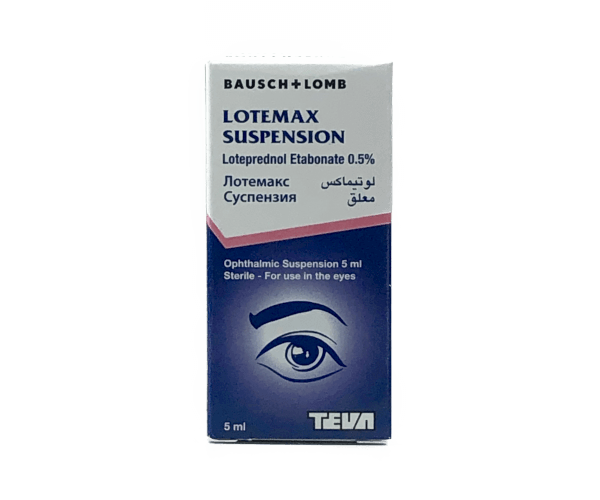
What is Lotemax?
Lotemax is a brand-name prescription eye drop containing the active ingredient loteprednol etabonate. It belongs to a class of drugs known as corticosteroids, which are used to relieve inflammation. Lotemax is formulated as a “soft steroid,” designed to be highly effective at treating surface-level eye inflammation. It provides relief from symptoms like redness, swelling, and pain. It is available in different forms, including a liquid suspension and a thicker gel or ointment. A doctor will determine the best formulation for your specific needs.
How does Lotemax work?
Lotemax works by blocking the body’s natural inflammatory response in the eye. When your eye is injured or irritated, it releases chemicals that cause blood vessels to leak, leading to swelling, redness, and pain. Lotemax penetrates the cells in the eye and prevents them from producing these inflammatory substances. This action helps to quickly reduce uncomfortable symptoms. Because loteprednol is a soft steroid, it is rapidly broken down into inactive particles once inside the eye. This efficient metabolism lowers the risk of certain side effects, like an increase in intraocular pressure (IOP), compared to traditional steroids.
Who is Lotemax for?
Lotemax is prescribed for adults and children who are experiencing inflammation in the eye that is responsive to steroid treatment. It is commonly used to manage pain and inflammation following eye surgery, such as cataract removal. Doctors also prescribe it for severe allergic reactions in the eye (allergic conjunctivitis) that do not respond to other treatments. Other uses include treating inflammatory conditions like acne rosacea that affects the eyes, superficial punctate keratitis, iritis, and cyclitis. It is not suitable for most common eye infections.
Dosage and administration
Lotemax dosage and administration depend on the specific condition being treated and the prescribing doctor’s instructions. Before use, it is important to wash your hands thoroughly. If you are using the suspension, you must shake the bottle vigorously for a few seconds. Tilt your head back, pull down your lower eyelid to create a small pocket, and squeeze one drop into the eye. Be careful not to let the dropper tip touch your eye or any other surface to avoid contamination. Close your eye for a minute to allow the medication to spread. Your doctor will tell you how many times per day to apply the drops.
Side effects
Lotemax may cause some side effects, although not everyone experiences them. The most common effects are temporary and mild. These can include stinging or burning upon application, blurred vision, dry eyes, and a feeling that something is in your eye. Some people may also experience light sensitivity or a headache. More serious side effects are rare but can occur, especially with long-term use. These include increased pressure inside the eye (glaucoma), cataract formation, and delayed wound healing. Contact your doctor if you experience severe eye pain or significant changes in your vision.
Why buy from IsraelPharm?
Buying Lotemax from IsraelPharm ensures you receive genuine, brand-name medication directly from authorized sources. We are committed to providing affordable access to prescription drugs for our customers in the United States and worldwide. Our licensed pharmacy staff is available to answer your questions and ensure a safe, secure ordering process. With our focus on customer care, competitive pricing, and reliable shipping, IsraelPharm is a trusted choice for your eye care needs. We bridge the gap between high drug prices and your access to necessary treatment.
Common side effects of Lotemax may include:
- Minor burning or stinging when applying the drops
- Eye pain or blurred vision
- Dry or watery eyes
- Feeling like something is in your eye
- Increased sensitivity to light
- Headache
- Runny nose or sore throat
More serious side effects can occasionally occur. Contact your doctor if you experience vision changes, eye pain that worsens, or signs of a new eye infection.
Lotemax is used for the treatment of inflammatory eye conditions that respond to steroids. These conditions affect parts of the eye including the conjunctiva, cornea, and anterior segment. Specific indications include:
- Allergic conjunctivitis
- Acne rosacea of the eye
- Superficial punctate keratitis
- Herpes zoster keratitis
- Iritis (inflammation of the iris)
- Cyclitis (inflammation of the ciliary body)
- Select infectious conjunctivitis where a steroid is beneficial