Login

Fast Delivery

Ships from Israel

Secure Payment
Genuine Brands
Pharmacist Oversight
Proudly Israeli
Free Shipping on orders over $99*
Spend $99, get free U.S. shipping*
Tariff now required on U.S. shipments. Learn more »
Tel: 1-866-456-3768 Fax: 1-866-544-8993
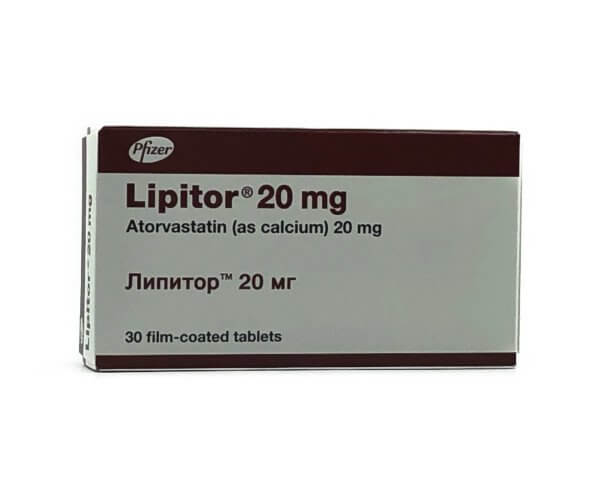
For visual reference only; actual product may vary
US Name:
Lipitor
Alternative Names:
Atorvastatin, Lipitor, Litorva, Torid
Active Ingredients:
Atorvastatin
Brand Manufacturer:
Pfizer
Manufacturer Location:
Germany
Click here to view Product Insert
For visual reference only; actual product may vary
Lipitor (Atorvastatin) is a leading statin medication prescribed to lower high levels of “bad” cholesterol (LDL) and triglycerides in the blood. By improving your cholesterol profile, Lipitor helps reduce the long-term risk of heart attack, stroke, and other serious cardiovascular events associated with narrowed arteries. It works alongside diet and exercise.
| Lipitor Brand | 10mg 30 Tablets |
-
|
Our price: $26.00 |
|
| Litorva Generic | 10mg 30 Tablets |
-
|
Our price: $17.00 |
|
| Lipitor Brand | 20mg 30 Tablets |
-
|
Our price: $43.00 |
|
| Litorva Generic | 20mg 30 Tablets |
-
|
Our price: $20.00 |
|
| Lipitor Brand | 40mg 30 Tablets |
-
|
Our price: $64.00 |
|
| Litorva Generic | 40mg 30 Tablets |
-
|
Our price: $28.00 |
|
| Lipitor Brand | 80mg 30 Tablets |
-
|
Our price: $73.00 |
|
| Litorva Generic | 80mg 30 Tablets |
-
|
Our price: $28.00 |
|
| Lipitor Brand | 80mg 28 Tablets |
-
|
Our price: $97.00 |
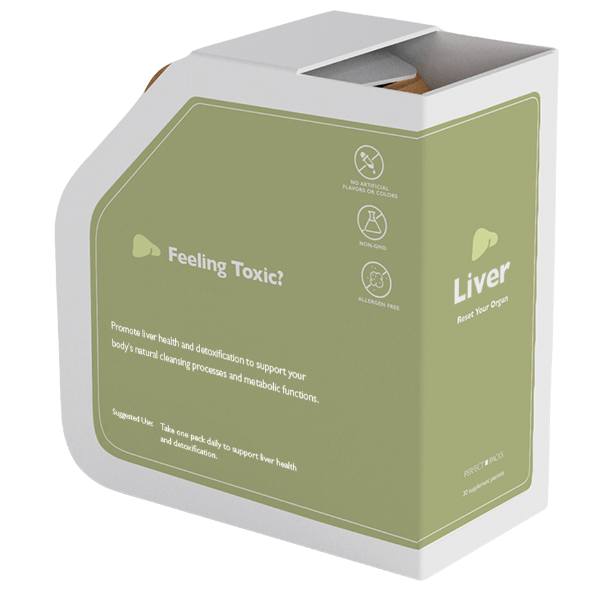
Liver Pack | 30 Pouches 1 Pouch a Day | –+ | Our price: $76.50 |
Lipitor is a prescription medication from the statin class of drugs. It is primarily used to lower high cholesterol and triglycerides in the blood. Specifically, Lipitor targets low-density lipoprotein (LDL), often called “bad” cholesterol. Lowering LDL cholesterol is crucial for preventing atherosclerosis (the buildup of plaque in arteries). By managing cholesterol levels, this medication helps reduce the risk of heart attacks, strokes, and other serious heart-related conditions. It is most effective when combined with a healthy diet and regular exercise.
Lipitor works by blocking a key enzyme in the liver called HMG-CoA reductase. This enzyme plays a vital role in the body’s production of cholesterol. By inhibiting this enzyme, Lipitor significantly reduces the amount of cholesterol the liver produces. This action leads to lower levels of LDL cholesterol in the bloodstream. At the same time, it can help raise levels of high-density lipoprotein (HDL), or “good” cholesterol. This dual effect helps rebalance your lipid profile and protect your arteries from plaque buildup.
Lipitor is for adults and children over the age of 10 who need to manage high cholesterol. It is prescribed for patients with conditions like hypercholesterolemia (high cholesterol) and hypertriglyceridemia (high triglycerides). This medication is also suitable for those with familial hypercholesterolemia, a genetic condition causing very high cholesterol. Additionally, doctors prescribe Lipitor for patients who are at high risk for cardiovascular events. This includes people with risk factors like diabetes, hypertension, a history of smoking, or a family history of heart disease.
Lipitor dosage and administration must be determined by a healthcare provider. The right dose depends on your cholesterol levels and overall cardiovascular risk. For most adults, treatment starts with a daily dose of 10 mg or 20 mg. Your doctor may adjust this based on your response and cholesterol test results. The maximum daily dose is 80 mg. Lipitor is a once-daily tablet that you can take at any time of day. It can be taken with or without food. Consistency is key, so try to take it at the same time each day.
Lipitor may cause side effects, though many people experience none at all. Your doctor prescribes it because the benefits outweigh the potential risks. Common side effects are generally mild. If any side effects persist or worsen, you should talk to your doctor. It is also important to tell your doctor right away if you experience unexplained muscle pain or weakness, as this could be a sign of a rare but serious condition.
Rare but serious side effects can include liver problems and severe muscle tissue breakdown. Do not take Lipitor if you are pregnant or breastfeeding.
Buying Lipitor from IsraelPharm provides a convenient and affordable way to manage your cholesterol. We offer competitive pricing on authentic, brand-name medications like Lipitor, manufactured by Pfizer. Our licensed pharmacists are available to answer your questions and ensure you feel confident about your treatment. We ship your medication directly to your door in discreet packaging for your privacy. With our secure online platform, ordering your heart health medication is simple, safe, and reliable. Trust IsraelPharm for your prescription needs.
Most people taking Lipitor do not experience serious side effects. However, like any medication, it can cause them. Your doctor has determined that the benefits for your heart health outweigh the potential risks.
Common side effects of Lipitor include:
In rare cases, Lipitor can cause more serious side effects, such as liver problems or a severe muscle condition called rhabdomyolysis. Contact your doctor immediately if you have unusual muscle pain, weakness, or dark-colored urine.
Do not take Lipitor if you are pregnant, planning to become pregnant, or breastfeeding as it may harm the baby.
Lipitor is approved to lower high levels of LDL cholesterol, also known as “bad” cholesterol. This substance contributes to plaque buildup in the arteries (atherosclerosis), which increases the risk of heart attacks and strokes. Lipitor effectively reduces LDL levels to help keep arteries clear.
Lipitor also treats abnormally high levels of triglycerides in the blood. Elevated triglycerides are linked to a higher risk of pancreatitis and cardiovascular disease. This medication helps lower these fat levels, contributing to a healthier lipid balance and reducing overall risk.
This is a genetic disorder causing exceptionally high cholesterol levels from a young age. Lipitor is frequently prescribed to manage cholesterol in these patients, helping to prevent the early onset of heart disease and related complications associated with this inherited condition.
Lipitor is used to lower the risk of heart attack and stroke in people with multiple risk factors for heart disease, even if their cholesterol is not high. These risk factors include:
Lipitor can be taken at any time of day, with or without food. It is most important to take your dose consistently at the same time each day to maintain stable levels of the medication in your body. This helps ensure the drug works effectively to lower your cholesterol around the clock. Choose a time that best fits your daily routine to help you remember.
Lipitor can be affected by alcohol, so it is best to limit your intake. Drinking excessive amounts of alcohol may increase your risk of liver problems, a potential side effect of statins. Your doctor can provide personalized advice based on your health profile, but limiting alcohol consumption is a safe approach while on this medication to protect your liver and ensure the best results.
Lipitor starts working to lower cholesterol within two to four weeks of starting treatment. You will likely see a significant change in your cholesterol levels in your first follow-up blood test. However, the full benefits of preventing heart attacks and strokes are realized over long-term, consistent use as part of a comprehensive plan that includes diet and exercise.
If you miss a dose of Lipitor, you should take it as soon as you remember. However, if it has been more than 12 hours since your missed dose, it is best to skip it and take your next dose at the regular time. Do not take two doses at once to make up for a missed one, as this can increase your risk of side effects.
Lipitor may cause muscle pain, weakness, or tenderness in some people. This is a known side effect of statin medications. While often mild, you should contact your doctor if the pain is severe, persistent, or accompanied by fever or dark urine. This could indicate a more serious muscle condition that needs immediate medical attention.
Lipitor may interact with grapefruit and grapefruit juice. Consuming large quantities can increase the level of atorvastatin in your blood, raising the risk of side effects like muscle pain. It is generally recommended to avoid or significantly limit grapefruit products while taking Lipitor. Always consult your doctor or pharmacist about potential food and drug interactions before starting treatment.
Lipitor is not typically associated with significant weight gain. Clinical studies have not established a direct link between atorvastatin and weight changes. Any changes in weight are more likely related to the lifestyle adjustments, such as diet and exercise, that are recommended alongside the medication. If you experience unexpected weight gain, please discuss it with your doctor.
Lipitor tablets are designed to be swallowed whole. You should not split, crush, or chew them unless your doctor or pharmacist specifically instructs you to do so. Altering the tablet can affect how the medication is released and absorbed in your body. If you have trouble swallowing pills, ask your healthcare provider about alternative options that may be available.
Lipitor should not be taken by individuals with active liver disease, those who are pregnant or breastfeeding, or anyone with a known allergy to atorvastatin. Your doctor will review your medical history to ensure it is safe for you. It is crucial to disclose all your health conditions and current medications before starting Lipitor to avoid any potential harm.
While taking Lipitor, you should avoid foods high in saturated and trans fats, as this works against the medication's goal of lowering cholesterol. You should also limit grapefruit and grapefruit juice. Focusing on a heart-healthy diet rich in fruits, vegetables, lean proteins, and whole grains will enhance the effectiveness of your treatment and improve your overall health.
Lipitor may cause a small increase in blood sugar levels in some individuals. For people with diabetes or those at risk, this is an important consideration. Your doctor will monitor your blood glucose levels. The cardiovascular benefits of lowering cholesterol with Lipitor are generally considered to outweigh this small risk for most patients who need the medication.
The primary long-term effect of taking Lipitor is a significant reduction in the risk of cardiovascular events like heart attacks and strokes. It helps manage cholesterol over many years. Long-term use is generally considered safe, but your doctor will perform regular blood tests to monitor your liver function and cholesterol levels to ensure the medication remains both effective and safe for you.
Lipitor has been linked to memory loss or confusion in a very small number of patients. The FDA notes that these cognitive effects are rare, nonserious, and are reversible upon stopping the medication. If you are concerned about any memory changes while taking Lipitor, speak with your doctor to evaluate the cause and discuss your treatment options.
Lipitor maintains normal cholesterol levels only as long as you take it. If you stop taking Lipitor, your cholesterol will likely return to its previous high levels, and your cardiovascular risk will increase again. You should never stop taking this medication without first consulting your doctor, who can advise on the best long-term strategy for managing your cholesterol.
Send Your Prescription
No Hidden Fees
Generally 7-10 Business Days

IsraelPharm has been delivering lost cost prescriptions from Israel for over 15 years worldwide. Daily flights allow us to get your medications dispatched fast! Delivery to the USA is under 10 days and you can track and trace every order.


Struggling with acid reflux? Sarah Ryan shares her personal experience using Nexium for GERD and how to find affordable brand-name relief through a licensed pharmacy.

Polycystic Metabolic Ovarian Syndrome (PMOS) is the new clinical name for the condition long known as Polycystic Ovary Syndrome (PCOS). The change reflects a deeper scientific understanding that insulin resistance and metabolic dysfunction sit at