Auvelity for MDD: How It Compares to Other Antidepressants
Discover how Auvelity for MDD offers a faster, unique approach to treating chronic depression compared to traditional SSRIs and SNRIs.
Spend $99, get free U.S. shipping*
Tariff now required on U.S. shipments. Learn more »
Tel: 1-866-456-3768 Fax: 1-866-544-8993
For visual reference only; actual product may vary
US Name:
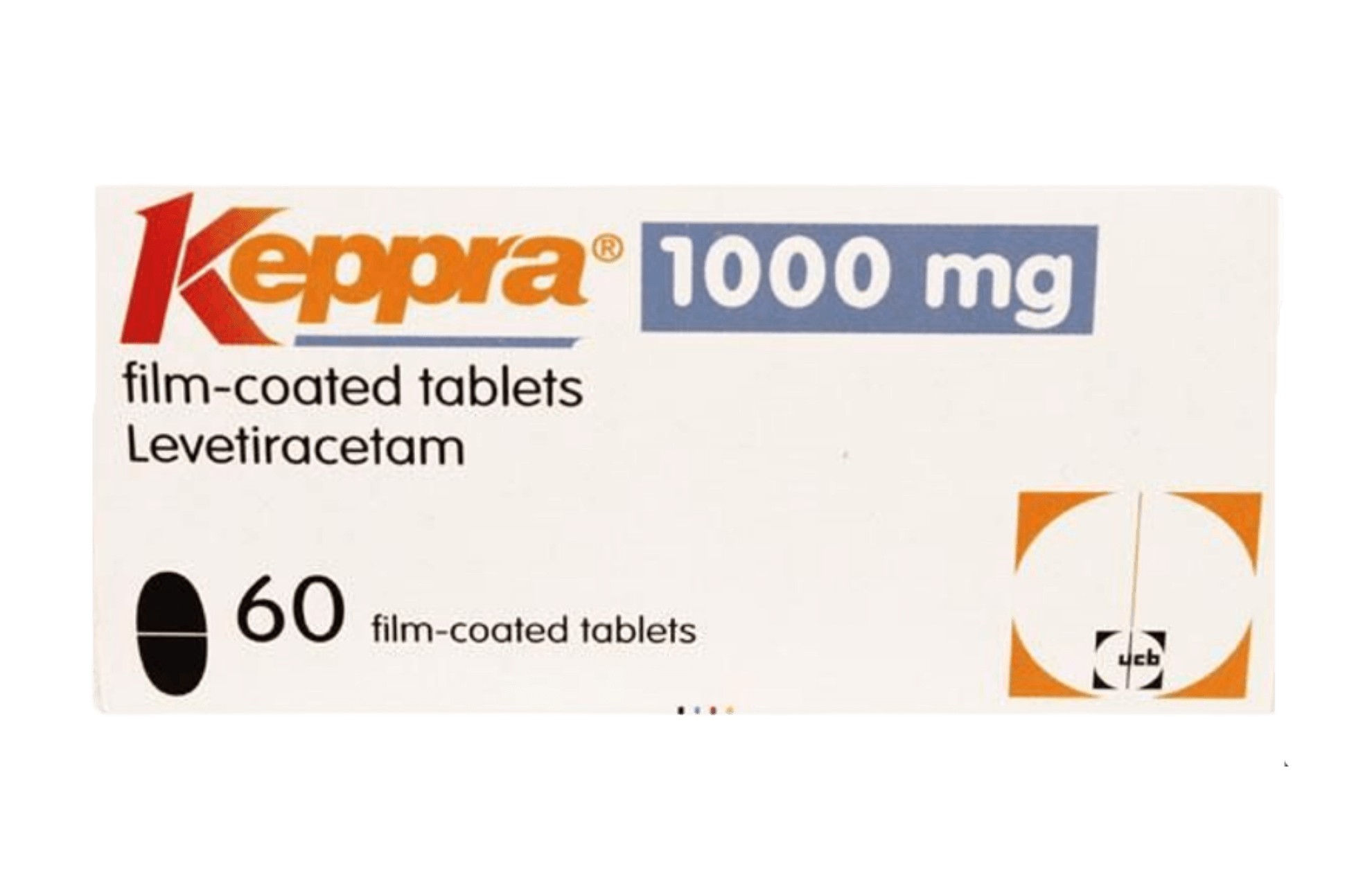
Keppra
Alternative Names:
Keppra
Active Ingredients:
Levetiracetam
Brand Manufacturer:
UCB
Manufacturer Location:
Belgium
Click here to view Product Insert
For visual reference only; actual product may vary
Keppra (levetiracetam) is an anticonvulsant medication used to manage and prevent various seizures associated with epilepsy. It is effective for partial-onset seizures, juvenile myoclonic epilepsy, and idiopathic generalized epilepsy in adults and children, stabilizing brain activity for consistent seizure control.
| Keppra Brand | 1000mg 60 Tablets |
-
|
Our price: $188.00 |
|
| Keppra Brand | 500mg 60 Tablets |
-
|
Our price: $81.00 |
|
| Keppra Brand | 250mg 60 Tablets |
-
|
Our price: $59.00 |
|
| Levetrim Generic | 100mg/mL 300 mL |
-
|
Our price: $103.00 |
Keppra is an anticonvulsant prescription medication used to treat several types of seizures associated with epilepsy. Its active ingredient is levetiracetam. Keppra is approved as a primary medication for adults with newly diagnosed partial-onset seizures. It is also used as an add-on treatment for various seizure types. These include partial-onset seizures in adults and children over four years old. It also treats myoclonic jerks in patients over twelve with juvenile myoclonic epilepsy. Additionally, it helps manage primary generalized tonic-clonic seizures. Keppra works to prevent the abnormal brain activity that causes seizures, helping patients maintain better control over their condition.
Keppra works by binding to a specific protein in the brain called synaptic vesicle protein 2A (SV2A). While the exact process is still being studied, this action is thought to help calm brain hyperactivity. Keppra helps stabilize the electrical activity between nerve cells. This prevents the rapid, uncontrolled firing that leads to a seizure. By modulating neurotransmitter release, it reduces the likelihood of a seizure starting. It also stops a seizure from spreading to other parts of the brain. This mechanism provides effective control over seizure activity.
Keppra is for adults and children diagnosed with specific types of epilepsy. It is prescribed as a standalone therapy for patients aged 16 and older with new partial-onset seizures. As an adjunctive (add-on) therapy, it is suitable for adults and children aged four and older with partial-onset seizures. It is also for patients aged 12 and older experiencing myoclonic seizures. Adults and adolescents with primary generalized tonic-clonic seizures may also use Keppra. Patients with kidney problems or a history of mental health issues like depression require special monitoring from their doctor.
Keppra should be taken exactly as prescribed by your healthcare provider to ensure its effectiveness. The tablets are typically administered twice daily, once in the morning and once in the evening. You can take Keppra with or without food. Swallow the tablets whole with a full glass of water without crushing or chewing them. Your doctor determines the correct dose based on your age, weight, kidney function, and the type of seizures being treated. Do not stop taking Keppra suddenly, as this can increase seizure frequency. Your doctor will guide you on how to gradually reduce the dose if needed.
Keppra may cause side effects, although not everyone experiences them. The most common side effects include drowsiness, weakness, dizziness, and headache. Some people may also feel irritable or experience a loss of appetite. These effects are often mild and may decrease over time as your body adjusts to the medication. More serious side effects are rare but can include significant changes in mood or behavior. These may manifest as depression, aggression, or thoughts of self-harm. In very rare cases, severe skin rashes like Stevens-Johnson syndrome can occur. Seek immediate medical help for any allergic reactions or severe side effects.
IsraelPharm provides a convenient and affordable way to get your prescribed Keppra medication. We are committed to high standards of safety and customer care. Our team of licensed pharmacy professionals is available to answer your questions. We ensure you receive authentic medication from trusted manufacturers. Enjoy the ease of ordering online and having your prescriptions delivered directly to your home. We offer competitive pricing to help you manage your healthcare costs effectively. Choose IsraelPharm for reliable service and peace of mind.
Most people using Keppra do not have serious side effects. However, like all medications, it can cause them. Your doctor has prescribed it because the benefit is greater than the risk.
Contact your doctor immediately if you experience any of the following:
Keppra is an anti-epileptic medication used to treat several types of seizures. It is prescribed as both a primary monotherapy and as an adjunctive (add-on) treatment.
Keppra can be taken with or without food according to your preference. Taking it with a meal does not significantly impact how the medication is absorbed by your body. However, if you experience stomach upset, taking your dose with food may help reduce this discomfort. Always try to take it consistently, either with or without food, each day.
If you miss a dose of Keppra, you should take it as soon as you remember. However, if it is almost time for your next scheduled dose, skip the missed one and continue with your regular dosing schedule. Never take a double dose of Keppra to make up for a forgotten one, as this can increase your risk of side effects.
Keppra starts working to control seizure activity within a few hours of the first dose, but its full therapeutic effect may take several weeks to become apparent. Your doctor will likely start you on a lower dose and gradually increase it. It is important to take Keppra consistently as prescribed to achieve the best results and maintain stable levels of the medication in your body.
Keppra may interact with alcohol, and it is generally recommended to avoid or limit alcohol consumption while taking it. Alcohol can increase the risk of side effects such as drowsiness and dizziness. It may also lower your seizure threshold, potentially making your medication less effective. Always consult your doctor for personalized advice about alcohol use while taking Keppra.
Keppra is not typically associated with significant weight gain or weight loss for most users. While loss of appetite is a possible side effect, which could lead to minor weight loss, it is not a common complaint. If you notice any unusual or significant changes in your weight while taking Keppra, you should discuss it with your healthcare provider to rule out other causes.
Yes, you should never stop taking Keppra abruptly without consulting your doctor. Suddenly discontinuing the medication can lead to withdrawal symptoms and a significant increase in seizure frequency. This could potentially lead to a dangerous condition called status epilepticus. Your doctor will provide a schedule to safely and gradually reduce your dose if you need to stop treatment.
Using Keppra during pregnancy requires careful consideration between you and your healthcare provider. Uncontrolled seizures can pose risks to both the mother and the developing baby. While Keppra may be prescribed if the benefits outweigh the potential risks, your doctor will discuss this with you. If you are pregnant or planning to become pregnant while taking Keppra, inform your doctor immediately.
The most common side effects of Keppra include feeling sleepy, weak, or dizzy. Some people may also experience headaches and irritability, particularly when first starting the medication or after a dose increase. These side effects are usually mild and tend to lessen as your body adjusts to Keppra. If any of these effects persist or become bothersome, talk to your doctor.
Keppra can cause drowsiness and fatigue, which are among its most frequently reported side effects. This tiredness is often more noticeable when you first start taking the medication or after a dose increase. For many patients, this feeling diminishes over several weeks. It is advisable to avoid activities requiring mental alertness, like driving, until you know how Keppra affects you.
Yes, Keppra can sometimes cause mood or behavioral changes in some patients. These can include feelings of irritability, agitation, anxiety, aggression, or depression. It is very important to monitor for these changes, especially when starting the medication. If you or your family notice any concerning behavioral shifts or thoughts of self-harm, contact your doctor right away.
Keppra tablets should be stored in their original packaging at room temperature, ideally below 77°F (25°C). Keep them in a dry place away from moisture and direct sunlight, so the bathroom is not an ideal storage location. As with all medications, ensure Keppra is kept securely out of the reach of children and pets to prevent accidental ingestion.
Keppra is not effective for all seizure types and is specifically approved for certain ones. It is used to treat partial-onset seizures, myoclonic seizures (in juvenile myoclonic epilepsy), and primary generalized tonic-clonic seizures. It is not indicated for absence seizures. Your neurologist will determine if Keppra is the appropriate medication for your specific epilepsy diagnosis.
You should be very cautious about driving while taking Keppra, especially when you first begin treatment. The medication can cause dizziness and drowsiness, which can impair your ability to drive safely. Most jurisdictions also have laws about driving for people with epilepsy. It is crucial to follow your doctor's advice and wait until you know how Keppra affects you before driving.
Keppra has a low potential for drug interactions compared to some other anti-epileptic drugs. However, you should still inform your doctor and pharmacist of all other medications you are taking, including over-the-counter drugs and supplements. One known interaction is to avoid taking macrogol-based laxatives within one hour of your Keppra dose as it may reduce effectiveness.
Send Your Prescription
No Hidden Fees
Generally 7-10 Business Days

IsraelPharm has been delivering lost cost prescriptions from Israel for over 15 years worldwide. Daily flights allow us to get your medications dispatched fast! Delivery to the USA is under 10 days and you can track and trace every order.

Discover how Auvelity for MDD offers a faster, unique approach to treating chronic depression compared to traditional SSRIs and SNRIs.

Is your generic medication truly safe? Explore the hidden risks of global drug manufacturing and learn how sourcing brand-name medications can protect patient safety.

The symptoms of menopause, during which women can feel physical and emotional discomfort, are often blamed entirely on declining levels of estrogen, but the hormone imbalance behind the symptoms is more complicated. In the years