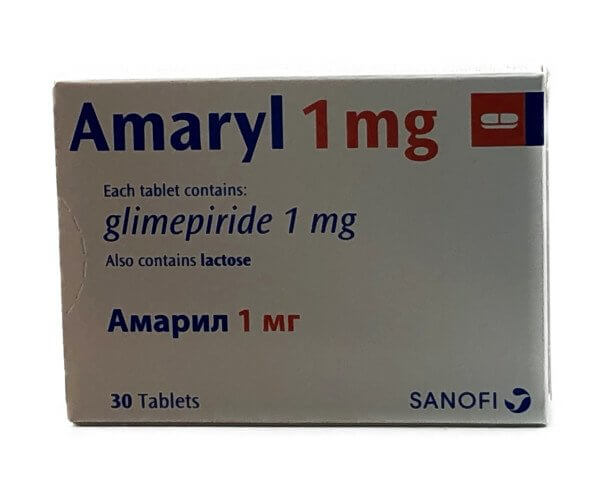
What is Amaryl?
Amaryl is an oral prescription medication used to treat type 2 diabetes in adults. Its active ingredient, Glimepiride, belongs to a class of drugs known as sulfonylureas. Amaryl is designed as a complementary treatment to a healthy diet and regular exercise, helping to lower blood glucose levels when these lifestyle changes alone are insufficient. It is not intended for treating type 1 diabetes or a condition called diabetic ketoacidosis.
How does Amaryl work?
Amaryl works by stimulating the pancreas to release more insulin and by helping the body’s cells use insulin more effectively. Insulin is a natural hormone that is crucial for processing sugar in the blood. By increasing the amount of insulin available right after a meal, Amaryl helps the body move glucose from the bloodstream into the cells, where it can be used for energy. This dual action helps maintain stable blood sugar levels throughout the day and prevents the long-term complications associated with chronically high glucose.
Who is Amaryl for?
Amaryl is intended for adults diagnosed with type 2 diabetes whose blood sugar cannot be managed by diet and exercise alone. It is suitable for patients who still have the ability to produce some insulin in their pancreas. This medication is typically considered for those who need additional support to reach their target blood glucose goals. It is important that patients using Amaryl are aware of the signs of low blood sugar (hypoglycemia) and are prepared to manage it. Your doctor will determine if Amaryl is the right fit for your specific condition.
Dosage and administration
Amaryl should be taken exactly as prescribed by your healthcare provider, typically once a day with breakfast or the first main meal. Starting with a low dose is common to minimize the risk of low blood sugar, and your doctor may gradually increase it based on your blood glucose monitoring. Do not change your dose or stop taking Amaryl without consulting your doctor. Swallow the tablet whole with a glass of water. Consistent daily use is key to effectively managing your diabetes.
Side effects
Common side effects of Amaryl may include nausea, dizziness, headache, and stomach upset, though most people experience few or no side effects. Because Amaryl works by lowering blood sugar, it can sometimes cause it to go too low, a condition called hypoglycemia. Symptoms include shaking, sweating, and confusion. More serious but rare side effects can occur. It’s important to read the full information leaflet and discuss any concerns with your doctor. If side effects persist or worsen, seek medical advice promptly.
Why buy from IsraelPharm?
Buying from IsraelPharm ensures you receive genuine Amaryl (Glimepiride) at a competitive price, shipped directly to your door from a trusted and reliable source. We are committed to providing affordable access to the medications you need without compromising on quality or safety. Our streamlined ordering process, dedicated customer support team, and discreet packaging make managing your health simpler and more convenient. Trust IsraelPharm for your medication needs and experience a new standard in online pharmacy care.
Most people who use Amaryl do not experience adverse side effects. This medication is prescribed when a doctor assesses that its benefits outweigh potential risks. The following are some of the reported side effects:
- Nausea
- Upset stomach or stomach pain
- Vomiting or diarrhea
- Dizziness
- Headache
- Tiredness
- Increased skin sensitivity to sunlight
- Itching or skin rash
Amaryl can also cause low blood sugar (hypoglycemia). Be sure to learn the symptoms and how to manage them. This is not a complete list of side effects. For full details, please read the patient information leaflet and consult your healthcare provider.
Amaryl (Glimepiride) is indicated for the treatment of non-insulin-dependent diabetes mellitus (type 2 diabetes) in adults.
It is prescribed when blood glucose levels cannot be adequately controlled through diet, regular physical exercise, and weight reduction alone.