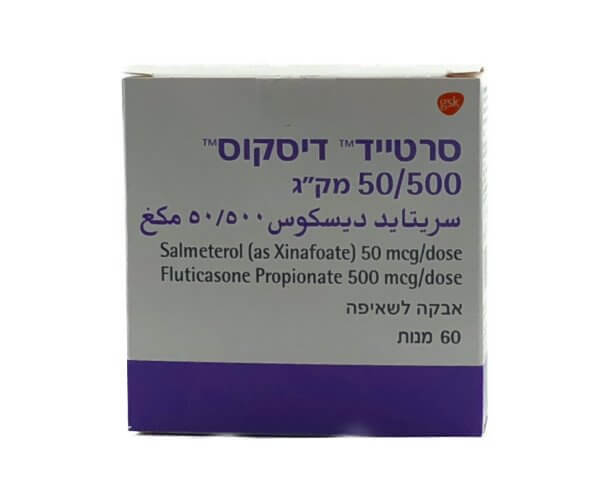
What is Advair?
Advair is a prescription inhaler used for the twice-daily, long-term management of asthma and Chronic Obstructive Pulmonary Disease (COPD). It contains two active medicines: fluticasone and salmeterol. These ingredients work together to help prevent symptoms like wheezing and shortness of breath. Advair comes in two main forms, the Advair Diskus (a powder) and Advair HFA (an aerosol). It is important to remember this is a maintenance medication, not a rescue inhaler for sudden breathing problems.
How does Advair work?
Advair works by combining two different medications into one inhaler to control asthma and COPD. The first, fluticasone propionate, is a corticosteroid that reduces inflammation inside your lungs’ airways. This makes them less swollen and irritated. The second ingredient, salmeterol, is a long-acting beta-agonist (LABA). It relaxes the muscles around the airways, helping to keep them open for up to 12 hours so you can breathe more easily.
Who is Advair for?
Advair is intended for patients who need long-term treatment for asthma or COPD. For asthma, it is prescribed when a patient’s symptoms are not well-controlled with a medication like an inhaled corticosteroid alone. It is approved for adults and adolescents over 12. For COPD, Advair helps reduce the number of flare-ups (exacerbations) in patients who have a history of them. Your doctor will decide if this combination therapy is the right choice for your condition.
Dosage & how to take
Advair is typically inhaled twice a day, with doses taken about 12 hours apart. Your doctor will prescribe the correct strength for your specific needs. To be effective, you must use Advair every day as a maintenance treatment, even when you feel symptom-free. After each inhalation, it is very important to rinse your mouth with water and then spit it out. This simple step helps prevent a common mouth infection called thrush. Always follow the instructions provided by your doctor or pharmacist.
Important safety information
Advair carries important safety considerations that you must discuss with your doctor. Its formula contains salmeterol, a long-acting beta-agonist (LABA). This type of medicine can increase the risk of serious asthma-related events, including hospitalization and death. For this reason, Advair is only for patients whose asthma is not controlled with other medications. This medication is not for relief from sudden breathing problems. See the Side Effects tab below for the full list.
Why buy from IsraelPharm?
IsraelPharm offers a reliable and affordable way to purchase your essential medications like Advair. We provide brand-name treatments at competitive prices, making your long-term care more manageable. You can conveniently and securely order from home. Our licensed pharmacy team ensures your prescription is handled professionally and shipped directly to you. We are committed to excellent customer service and your long-term health, providing a trusted source for your needs.
While Advair is effective for many, it can cause side effects. Be sure to discuss these with your doctor. Common side effects may include:
- Upper respiratory tract infection or inflammation
- Headache
- Sore throat and hoarseness
- Nausea, vomiting, or diarrhea
- Fungal infections in the mouth or throat (oral thrush)
- Musculoskeletal pain
Serious Safety Information: The salmeterol in Advair, a long-acting beta2-adrenergic agonist (LABA), increases the risk of asthma-related death. Advair should only be used for patients not adequately controlled on a long-term asthma control medication or whose disease warrants initiation of treatment with both an inhaled corticosteroid and a LABA.
Advair is prescribed for the long-term, twice-daily maintenance treatment of:
- Asthma: In patients whose condition is not adequately controlled with other asthma-controller medications like an inhaled corticosteroid or whose disease severity clearly warrants treatment with both an inhaled corticosteroid and a long-acting beta-agonist (LABA).
- Chronic Obstructive Pulmonary Disease (COPD): Including chronic bronchitis and/or emphysema, to reduce exacerbations of COPD in patients with a history of exacerbations.
Important Limitation: Advair is NOT indicated for the relief of acute bronchospasm or sudden breathing problems.