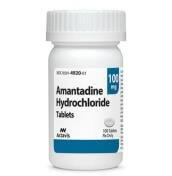
What is Symmetrel?
Symmetrel is an oral medication with the active ingredient amantadine. It has a unique dual-action role in medicine. It is classified both as an antiparkinsonian agent and as an antiviral drug. Symmetrel works by affecting the balance of certain chemicals in the brain. It also stops the growth of viruses in the body. This makes it a versatile treatment for very different medical conditions. It helps patients manage movement disorders and fight viral infections.
How does Symmetrel work?
Symmetrel works in two distinct ways depending on the condition being treated. For Parkinson’s disease, Symmetrel is thought to increase the effects of dopamine. Dopamine is a natural chemical in the brain involved in movement. By enhancing dopamine’s activity, it helps reduce symptoms like stiffness and shaking. As an antiviral, Symmetrel targets the influenza A virus. It blocks a specific channel (the M2 protein) that the virus needs to replicate inside host cells. This action prevents the virus from multiplying and spreading.
Who is Symmetrel for?
Symmetrel is prescribed for patients with specific medical needs. It is suitable for individuals diagnosed with Parkinson’s disease to help manage their motor symptoms. Doctors also prescribe it for patients experiencing extrapyramidal reactions. These are movement disorders caused by certain medications. Additionally, Symmetrel is used for the prevention and treatment of influenza A infections. This is especially useful during community outbreaks or for high-risk individuals. A doctor must determine if Symmetrel is right for you.
Dosage and administration
Symmetrel dosage and administration must be determined by a healthcare provider. The right dose depends on your age, condition, and kidney function. It is usually taken once or twice a day in capsule or liquid form. You can take Symmetrel with or without food. To reduce potential sleep disturbances, try taking the last dose of the day several hours before bedtime. Always follow your doctor’s instructions exactly. Do not change your dose or stop taking it without medical advice.
Side effects
Symmetrel can cause side effects, though not everyone experiences them. Common effects include nausea, dizziness, and constipation. Some people may also notice dry mouth, blurred vision, or have trouble sleeping. A less common but notable side effect is livedo reticularis. This is a mottled, purplish discoloration of the skin. More serious side effects can also occur. These may include confusion, depression, or swelling in the ankles. Report any unusual or persistent symptoms to your doctor immediately.
Why buy from IsraelPharm?
IsraelPharm offers a smart and reliable way to get your medications. We provide authentic, brand-name drugs like Symmetrel at competitive prices. Our platform is easy to use, allowing you to order from home. We ensure your privacy with discreet packaging and secure transactions. Our dedicated customer service team is ready to assist you with any questions. We also offer free shipping options to the United States. Choose IsraelPharm for a convenient and affordable pharmacy experience you can trust.
Some patients may experience side effects while taking Symmetrel. Common side effects can include:
- Nausea or stomach upset
- Dizziness or drowsiness
- Headache
- Dry mouth
- Constipation
- Blurred vision
- Nervousness or trouble sleeping
If any of these side effects persist or worsen, you should contact your doctor promptly. More serious side effects can occur, so it is important to discuss all potential risks with your healthcare provider.
Symmetrel (Amantadine) is used for several medical conditions:
- Prophylaxis (prevention) of symptoms caused by various strains of the influenza A virus.
- Treatment of symptoms caused by various strains of the influenza A virus.
- Management of parkinsonism, including Parkinson’s disease.
- Treatment of drug-induced extrapyramidal reactions (movement problems caused by medications).