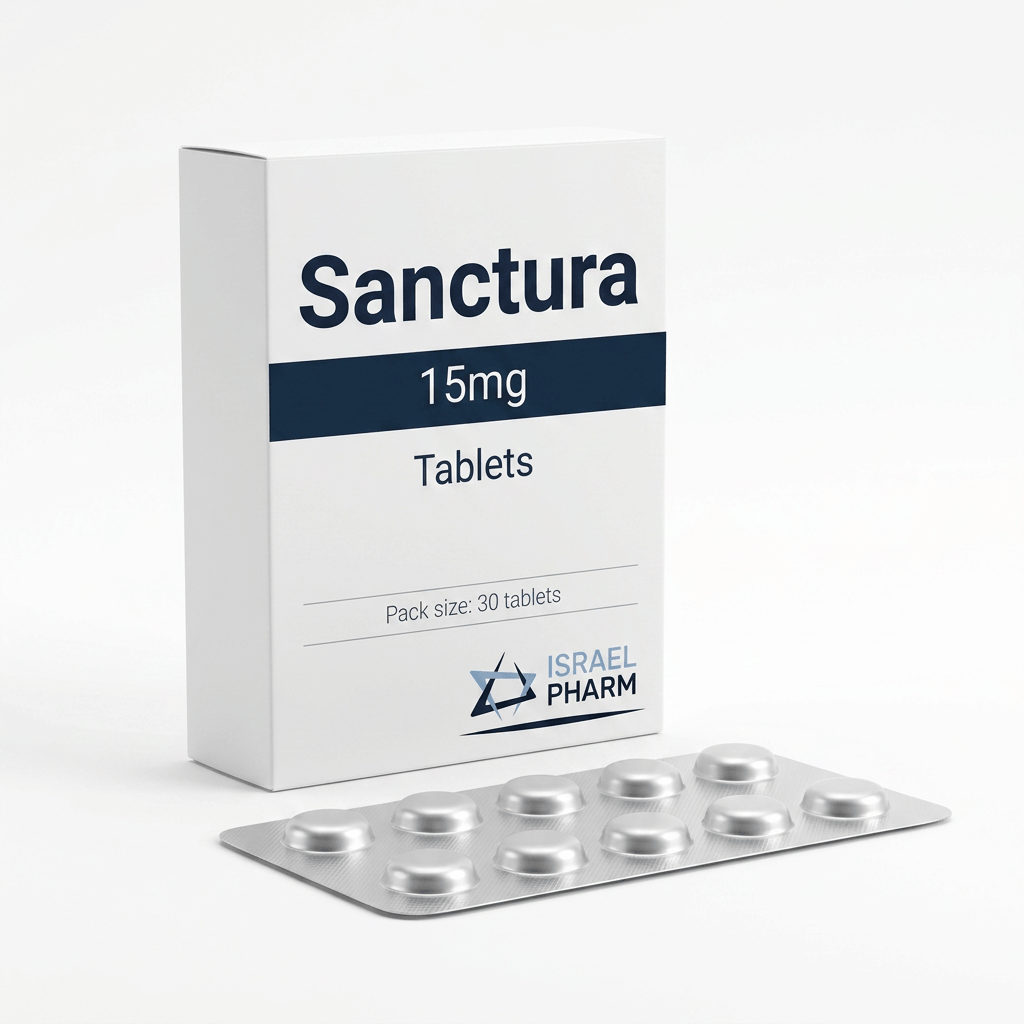
What is Sanctura?
Sanctura is a prescription medication containing the active ingredient Trospium Chloride. It is specifically used to treat the symptoms of an overactive bladder (OAB) in adults. These symptoms can be disruptive to daily life. They include having a strong, sudden need to urinate, called urgency. It also treats frequent urination and involuntary urine leakage, known as urge incontinence. Sanctura helps patients better manage their bladder function. This leads to improved control and comfort.
How does Sanctura work?
Sanctura works by relaxing the muscles of the bladder wall. It belongs to a class of drugs known as anticholinergics or antimuscarinics. These drugs block the action of a chemical called acetylcholine. Acetylcholine is responsible for telling the bladder muscle to contract. By blocking this chemical, Sanctura prevents unexpected and involuntary contractions of the bladder. This action increases the bladder’s ability to hold urine. As a result, it reduces feelings of urgency and decreases the frequency of urination.
Who is Sanctura for?
Sanctura is designed for adults who have been diagnosed with an overactive bladder. This medication is suitable for individuals experiencing symptoms like urinary frequency, urgency, and urge incontinence. It can help those who need to increase their bladder capacity. However, Sanctura is not right for everyone. It should not be used by patients with certain medical conditions. These include urinary retention, gastric retention, or uncontrolled narrow-angle glaucoma. Always consult a doctor to determine if Sanctura is a safe and appropriate choice for you.
Dosage and administration
Sanctura dosage depends on individual medical needs and your doctor’s recommendations. This medication should always be taken on an empty stomach. Take your dose at least one hour before eating a meal. The standard tablet is usually taken twice per day. It is important to swallow the tablets whole with a glass of water. Do not crush, chew, or break the tablets. Following your doctor’s instructions precisely is crucial for the medication to work effectively and safely. Never change your dose without medical advice.
Side effects
Sanctura can cause side effects, though not everyone experiences them. The most common side effects are typically mild and manageable. They often include dry mouth and constipation. Other potential effects are upset stomach, headache, and dry eyes. More serious side effects require immediate medical attention. These include an inability to urinate, severe stomach pain, blurred vision, or signs of an allergic reaction like a rash or swelling. It is also important to be careful in hot weather, as Sanctura can reduce sweating and increase the risk of heatstroke.
Why buy from IsraelPharm?
IsraelPharm provides a reliable and affordable source for your Sanctura prescription. We make it easy to order your medication online from the comfort of your home. All our products are sourced from licensed, regulated pharmacies, ensuring you receive authentic and safe medication. By cutting out multiple middlemen, we offer competitive prices that help you save money on your prescriptions. We ship orders discreetly and securely to your door. Our dedicated customer service team and pharmacists are available to answer any questions you may have about your order or medication.
Most side effects of Sanctura are mild, but some can be serious. Common side effects include:
- Dry mouth
- Constipation
- Headache
- Upset stomach or abdominal pain
- Dry eyes
Contact your doctor if these persist or worsen. Seek immediate medical attention for serious side effects such as:
- Inability to urinate (urinary retention)
- Severe stomach pain or bloating
- Serious constipation
- Blurred vision and eye pain
- Signs of an allergic reaction (rash, itching, swelling)
Sanctura is primarily used to treat the symptoms of overactive bladder (OAB) in adults, which include:
- Urge urinary incontinence: A sudden, intense urge to urinate, followed by an involuntary loss of urine.
- Urgency: A sudden, compelling desire to pass urine that is difficult to defer.
- Frequency: The need to urinate more often than usual, typically more than 8 times in 24 hours.