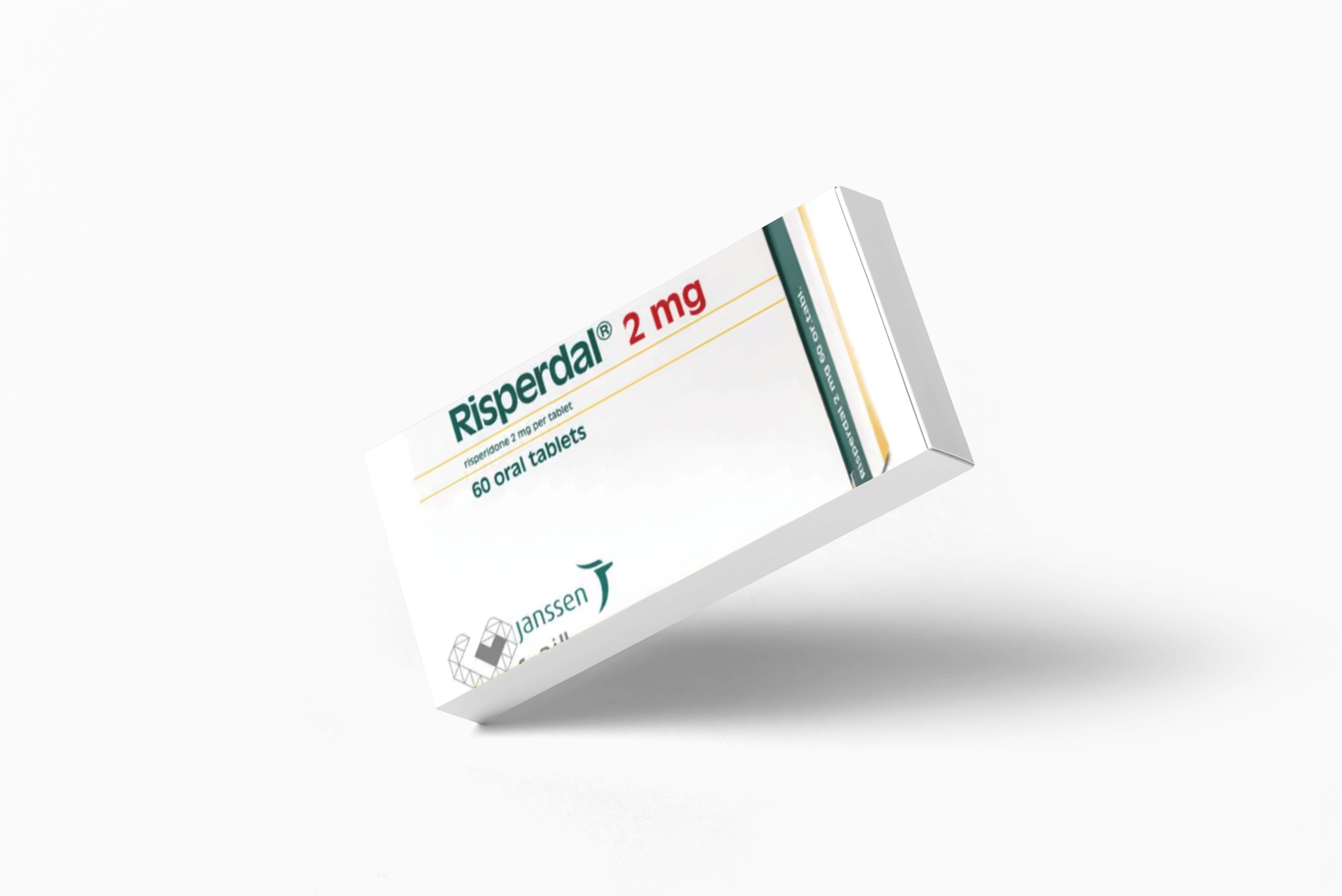
What is Risperdal?
Risperdal is an atypical antipsychotic medication that contains the active ingredient risperidone. It is primarily prescribed to treat a range of psychiatric conditions. This medication helps manage symptoms associated with schizophrenia in adults and adolescents. It is also used for the short-term treatment of manic episodes in bipolar disorder. Additionally, doctors may prescribe it for behavioral issues in autistic children. Risperdal helps restore balance to brain chemicals, improving thinking and mood.
How does Risperdal work?
Risperdal works by adjusting the levels of natural chemicals in the brain called neurotransmitters. Specifically, it targets dopamine and serotonin receptors. These chemicals play a key role in regulating mood, thought processes, and behavior. By blocking some of these receptors, risperidone helps to correct imbalances. This action reduces psychotic symptoms like hallucinations and delusions. It also helps stabilize mood and control aggressive or impulsive behaviors. The medication aims to improve overall daily functioning.
Who is Risperdal for?
Risperdal is for adults and children with specific mental health diagnoses. Healthcare providers prescribe it to adults and teens over 13 with schizophrenia. It is also suitable for adults and children over 10 with bipolar I disorder for manic episodes. For children aged five to sixteen with autism, it treats irritability, aggression, and self-harming behaviors. It may also be used for psychotic symptoms in patients with Alzheimer’s dementia, though with caution. A doctor must determine if this medication is appropriate for the patient.
Dosage and administration
Risperdal dosage depends on the patient’s age, condition, and response to treatment. A doctor will determine the correct starting dose and any adjustments. It is available as a tablet or an oral solution. Patients should take the medication exactly as prescribed by their healthcare provider. It can be taken once or twice daily, with or without food. Do not alter the dose or stop taking Risperdal without medical advice. Sudden discontinuation can cause withdrawal or a relapse of symptoms.
Side effects
Risperdal may cause side effects, which can range from mild to serious. While many people experience minor side effects, some reactions require immediate medical attention. It is important to be aware of these potential risks. Always discuss any side effects with your doctor. They can help you manage them and decide if the treatment is still right for you. Never ignore severe symptoms.
Common Side Effects:
- Sleepiness or drowsiness
- Headache
- Weight gain
- Parkinsonism (tremors, stiffness, slow movement)
- Pneumonia and other infections
- Trouble sleeping
Serious Side Effects:
- Sudden weakness or numbness, which may indicate a stroke in dementia patients
- Uncontrollable muscle movements (tardive dyskinesia)
- High fever, muscle stiffness, and confusion (Neuroleptic Malignant Syndrome)
- Blood clots
- Prolonged and painful erection (priapism)
- Severe allergic reactions
Why buy from IsraelPharm?
IsraelPharm offers a safe, affordable, and convenient way to purchase Risperdal. We source our medications from licensed manufacturers, ensuring you receive genuine products. Our prices are often lower than what you might find at local pharmacies. This allows you to save money on your essential prescriptions. We provide a straightforward online ordering process. Your medication is shipped directly to your door. Our team of pharmacists is also available to answer your questions and provide support, offering peace of mind with every order.
Risperdal may cause a range of side effects. Some are common and mild, while others are serious and require immediate medical attention. You should consult a doctor if you experience any concerning symptoms.
Common Side Effects
- Sleepiness
- Trouble falling asleep and staying asleep
- Parkinsonism (tremors, stiffness)
- Headache
- Pneumonia and other common infections
- Weight gain
- Dystonia (muscle spasms)
Serious Side Effects
- Signs of a stroke in dementia patients (sudden weakness, slurred speech)
- Loss of muscle control (tardive dyskinesia)
- Blood clots
- Fever, muscle ache, and lower consciousness (Neuroleptic Malignant Syndrome)
- Painful and prolonged erection (priapism)
- Severe allergic reaction with fever and swelling
Risperdal is prescribed for the treatment of several conditions, including:
- Schizophrenia and associated psychotic disorder symptoms
- Symptoms of bipolar disorder, such as mania
- Psychotic symptoms in patients who have Alzheimer’s dementia
- Behavioral disorders in autistic children and adolescents over five years old