What is Pepcid?
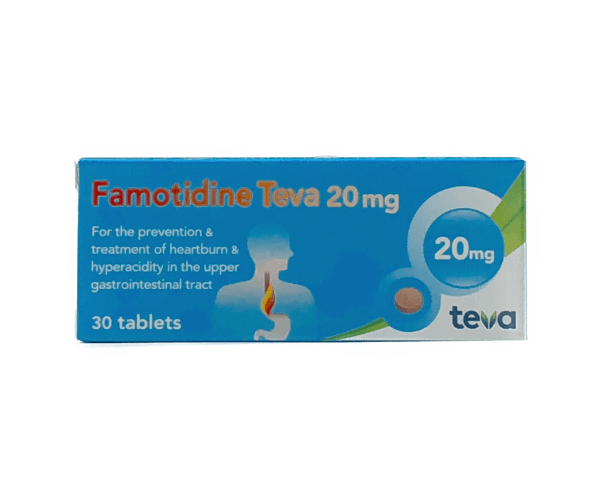
Pepcid is a prescription medication with the active ingredient famotidine. It belongs to a group of drugs called histamine H2-receptor antagonists. Pepcid is primarily used to decrease the amount of acid produced in the stomach. By lowering acid levels, it helps heal and prevent ulcers in the stomach and intestines. It also treats conditions like gastroesophageal reflux disease (GERD). In GERD, stomach acid backs up into the esophagus, causing heartburn and injury. Pepcid is also used for other conditions involving excessive stomach acid.
How does Pepcid work?
Pepcid works by blocking the action of histamine on stomach cells. Your body naturally produces histamine. This chemical signals certain cells in the stomach lining to produce acid. Pepcid selectively blocks the H2 receptors on these cells. This action stops the signal for acid production. By reducing the overall volume of stomach acid, Pepcid creates a better environment for healing. It relieves the pain from ulcers and the burning sensation of heartburn. The effect helps protect the stomach and esophagus lining from damage.
Who is Pepcid for?
Pepcid is for adults and children who need to control stomach acid. It is commonly prescribed for patients with active duodenal or gastric ulcers. This medication is also suitable for people suffering from GERD. This includes symptoms like acid indigestion and heartburn. Doctors may prescribe it for erosive esophagitis, which is inflammation of the esophagus from acid. People with rare conditions that cause the stomach to overproduce acid, like Zollinger-Ellison syndrome, can also benefit from Pepcid. It helps manage their symptoms effectively.
Dosage and administration
Pepcid dosage and frequency depend on your specific condition and medical history. Your doctor will determine the best dose for you. The tablets are taken by mouth and can be swallowed with a glass of water. It can be taken with or without food. For preventing heartburn, it is often taken 15 to 60 minutes before a meal. Always follow your doctor’s instructions carefully. If you miss a dose, take it as soon as you remember. However, skip it if it’s almost time for your next one. Do not take two doses at once.
Side effects
Pepcid may cause some side effects, though many people experience none or only minor ones. The most common side effects are generally mild. They can include headache, dizziness, constipation, or diarrhea. These often go away as your body adjusts to the medication. More serious side effects are rare but require immediate medical attention. These include signs of an allergic reaction like rash or trouble breathing. Other serious effects are confusion, irregular heartbeat, or signs of stomach bleeding like black stools. Always discuss any concerning symptoms with your healthcare provider.
Why buy from IsraelPharm?
IsraelPharm makes getting your prescription medications simple and affordable. We offer a convenient online platform to order Pepcid from the comfort of your home. Our pharmacy sources genuine medications from trusted manufacturers. This ensures you receive high-quality treatment every time. With our competitive pricing and commitment to customer service, we help you manage your health effectively. Our licensed pharmacists are available to answer your questions. We provide reliable and discreet shipping directly to your door, making your health our top priority.
Most people using Pepcid do not have serious side effects. Your doctor has prescribed it because the benefit is greater than the risk.
Common side effects
- Headache
- Dizziness
- Constipation or diarrhea
Serious side effects
Seek medical help immediately if you experience:
- Irregular heartbeat or chest pain
- Signs of stomach bleeding (like black stools or vomiting blood)
- Confusion, agitation, or seizures
- A severe allergic reaction (anaphylaxis)
This is not a complete list of side effects. Talk to your doctor or pharmacist if you have other symptoms that concern you.
Gastric and duodenal ulcers
Pepcid (famotidine) treats ulcers in the stomach and the first part of the small intestine. It helps relieve symptoms, such as:
- Burning or gnawing pain in the stomach
- A feeling of fullness or nausea
- Loss of appetite or vomiting
- Dark or tar-colored stools, indicating bleeding
Gastro-oesophageal reflux disease (GERD) / erosive oesophagitis
Pepcid also manages GERD, where stomach acid flows back into the esophagus. Symptoms include:
- Heartburn, a burning sensation in the chest
- Regurgitation of acid into the mouth
- Difficulty or pain when swallowing
- A chronic cough or sore throat caused by reflux
Conditions of acid overproduction
Pepcid treats rare conditions like Zollinger-Ellison syndrome. These disorders cause the stomach to produce too much acid, leading to severe ulcers and reflux.


 Gut Pack