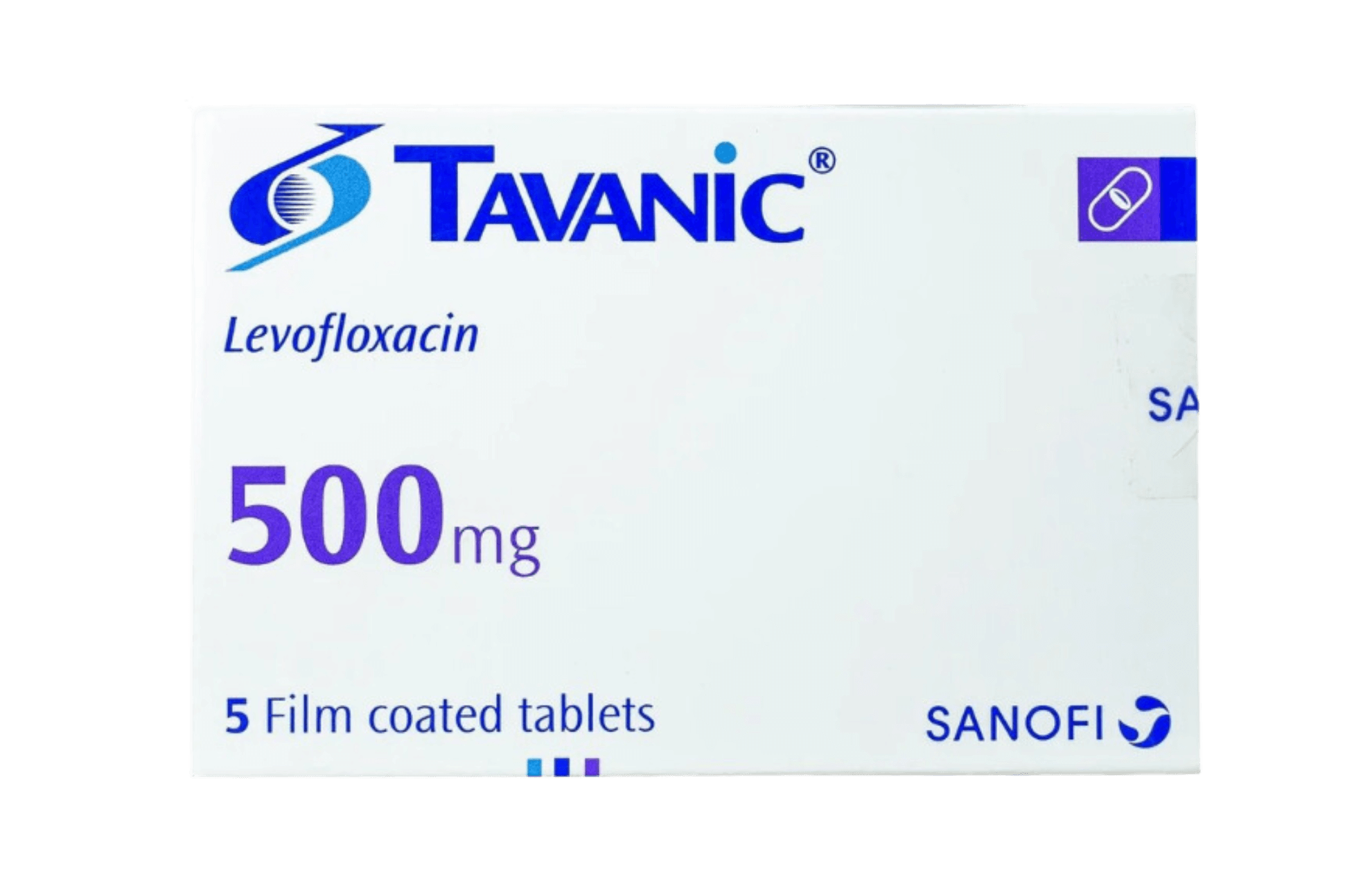
What is Levaquin?
Levaquin is a brand-name antibiotic that contains the active ingredient levofloxacin. It belongs to a group of powerful antibiotics known as fluoroquinolones. Doctors prescribe Levaquin to treat various bacterial infections in adults. These infections can affect different parts of the body. Common uses include treating pneumonia, sinus infections, and urinary tract infections (UTIs). It is also effective for skin infections and chronic bronchitis. This medication is essential when bacteria are the cause of illness. It does not work on viral infections like the common cold.
How does Levaquin work?
Levaquin works by stopping bacteria from growing and multiplying in the body. It targets and blocks specific enzymes within the bacteria called DNA gyrase and topoisomerase IV. These enzymes are critical for the bacteria’s survival. They are needed for the bacteria to replicate their DNA, make repairs, and read their genetic code. By disabling these enzymes, Levaquin effectively kills the bacteria and clears the infection. This targeted action makes it a very effective treatment for susceptible bacterial strains.
Who is Levaquin for?
Levaquin is for adults who have been diagnosed with specific bacterial infections. Your doctor must confirm the infection is caused by bacteria that are sensitive to levofloxacin. It is prescribed for lung infections like pneumonia and bronchitis. It is also used for sinus infections and UTIs. Patients with certain skin infections may also receive this drug. Levaquin is not for everyone. It should not be taken by children, pregnant women, or breastfeeding mothers. Patients with a history of tendon problems or myasthenia gravis should also avoid it.
Dosage and administration
Levaquin dosage depends on the type and severity of the infection being treated. A healthcare provider will determine the correct dose and length of treatment for you. Common doses might be 250 mg, 500 mg, or 750 mg taken once a day. The treatment can last from 3 to 14 days or longer. You should swallow the tablet whole with a full glass of water. Do not crush or chew it. Levaquin can be taken with or without food. However, avoid taking it with dairy products or supplements containing calcium, iron, or zinc. Take it at least two hours before or two hours after them.
Side effects
Levaquin may cause side effects, although not everyone will experience them. The most common side effects are often mild. They can include nausea, diarrhea, headache, and trouble sleeping (insomnia). Some people may also feel dizzy. While most people tolerate it well, there are more serious risks. Levaquin carries a warning for rare but serious side effects. These include tendon pain or rupture, nerve damage, and mood changes. Seek medical attention immediately if you experience sudden joint pain, tingling sensations, or severe dizziness.
Why buy from IsraelPharm?
IsraelPharm provides a safe and convenient way to purchase your Levaquin prescription online. We source our medications from trusted manufacturers to ensure you receive authentic, high-quality products. Our streamlined process makes ordering easy and affordable. You can save money on your prescriptions without sacrificing quality or safety. Our dedicated customer service team is available to assist you with any questions. We are committed to providing reliable access to the medications you need for your health and well-being. Shop with us for a trustworthy and simple pharmacy experience.
Most common side effects of Levaquin are mild and may include:
- Nausea or vomiting
- Diarrhea
- Headache
- Dizziness
- Difficulty sleeping (insomnia)
Levaquin carries a risk of more serious adverse effects, including tendonitis and tendon rupture, peripheral neuropathy (nerve damage), and central nervous system effects (like seizures or confusion). If you experience sudden joint pain, muscle weakness, tingling or numbness, or mood changes, contact your doctor immediately.
Levaquin is an effective antibiotic for treating a range of bacterial infections, including:
- Pneumonia (lung infections)
- Urinary Tract Infections (UTIs)
- Acute bacterial sinusitis
- Chronic bronchitis with bacterial infection
- Bacterial skin infections
- Infections related to anthrax exposure