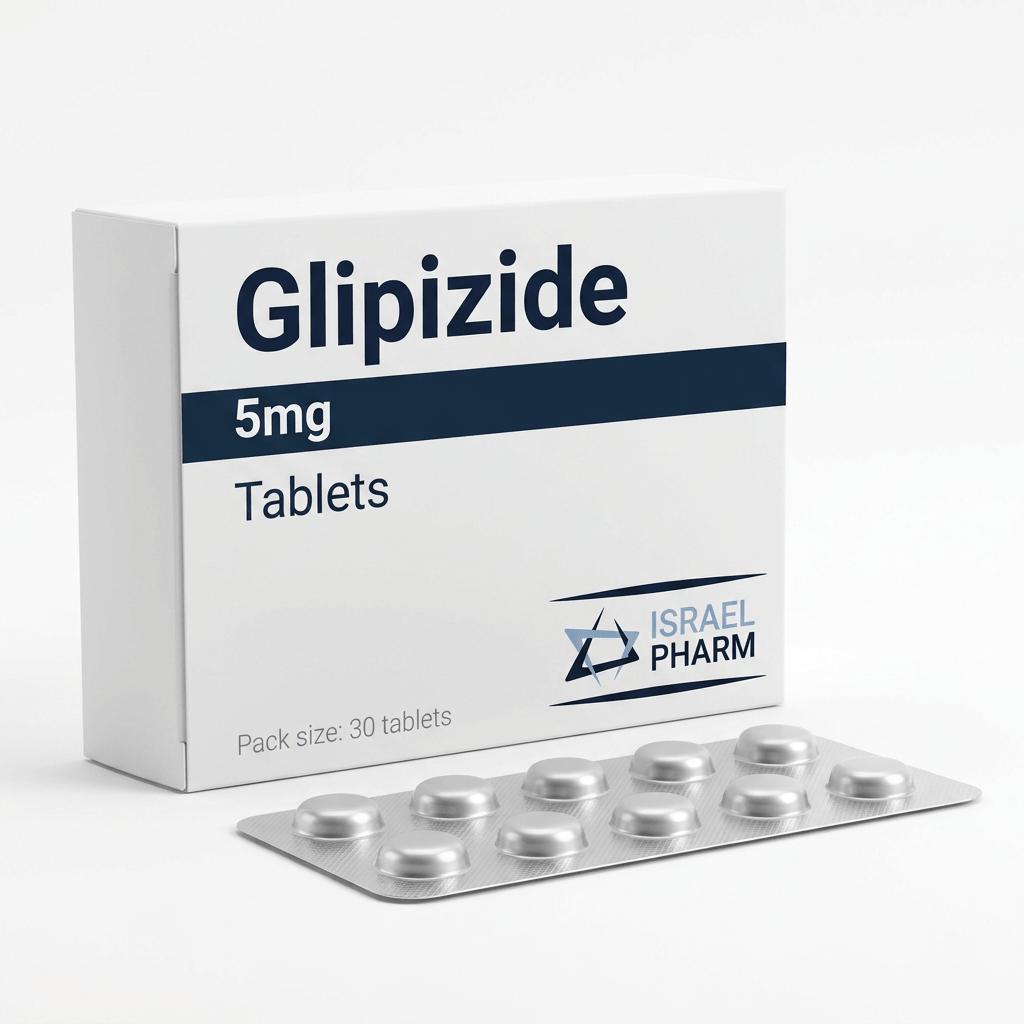
What is Glipizide?
Glipizide is a prescription oral medication used to treat type 2 diabetes in adults. It belongs to a class of drugs known as sulfonylureas. This medication helps manage blood sugar levels, especially when diet and exercise alone are not enough. Glipizide is not for treating type 1 diabetes or a condition called diabetic ketoacidosis. It works best as part of a complete diabetes care plan. This plan should include regular exercise, a healthy diet, and consistent blood sugar monitoring.
How does Glipizide work?
Glipizide works by stimulating the beta cells in the pancreas to produce more insulin. Insulin is a natural hormone your body needs. It helps move sugar from your blood into your body’s tissues for energy. By increasing insulin production, Glipizide helps lower high blood sugar levels after meals. It is important to take this medication shortly before eating. This timing helps the insulin release match the rise in blood sugar from your food. This action provides effective glycemic control throughout the day.
Who is Glipizide for?
Glipizide is for adults who have been diagnosed with type 2 diabetes mellitus. It is prescribed when blood sugar cannot be managed by diet and exercise alone. This medication is suitable for patients who still have some natural insulin production ability in their pancreas. It is not intended for individuals with type 1 diabetes. Patients with a history of sulfa drug allergies should consult their doctor. This medication can be a good option for improving daily blood sugar stability.
Dosage and administration
Glipizide should be taken exactly as prescribed by your healthcare provider. The dosage is based on your medical condition and response to treatment. Typically, it is taken once daily, about 30 minutes before your first meal of the day. Starting with a low dose helps reduce the risk of side effects. Your doctor may gradually increase your dose if needed. Always swallow the tablet whole. Do not crush, chew, or split it. Regular blood sugar testing is essential to find the most effective dose for you.
Side effects
Glipizide may cause side effects, though not everyone experiences them. The most common side effect is hypoglycemia, or low blood sugar. Symptoms include dizziness, shakiness, sweating, and confusion. Other possible side effects are nausea, heartburn, and constipation. More serious but rare side effects can occur. These may include skin reactions, unusual bleeding or bruising, and liver problems. If you experience any severe or persistent side effects, contact your doctor immediately. Always carry a source of sugar to treat low blood sugar episodes quickly.
Why buy from IsraelPharm?
IsraelPharm offers an affordable and reliable way to purchase your Glipizide prescription. We are a licensed pharmacy dedicated to providing authentic medications at competitive prices. Our user-friendly online platform makes ordering simple and convenient. Your medication is shipped directly to your home in discreet packaging. Our knowledgeable customer service team is always ready to assist you. By choosing IsraelPharm, you can save money on your essential diabetes medication without compromising on quality or safety. We make managing your health easier and more accessible.
The most common side effect of Glipizide is low blood sugar (hypoglycemia). Be aware of its symptoms:
- Dizziness or lightheadedness
- Shakiness and sweating
- Headache or confusion
- Irritability or mood changes
- Hunger
Other common side effects can include:
- Nausea
- Diarrhea or constipation
- Upset stomach
Contact your doctor if you experience severe side effects like skin rash, unusual bruising, or yellowing of the skin/eyes.
Glipizide is primarily used to manage high blood sugar (hyperglycemia) in adults with type 2 diabetes. It is used as an adjunct to:
- Diet modification
- Regular exercise
- Blood sugar monitoring
It helps improve glycemic control and prevent long-term complications of diabetes.