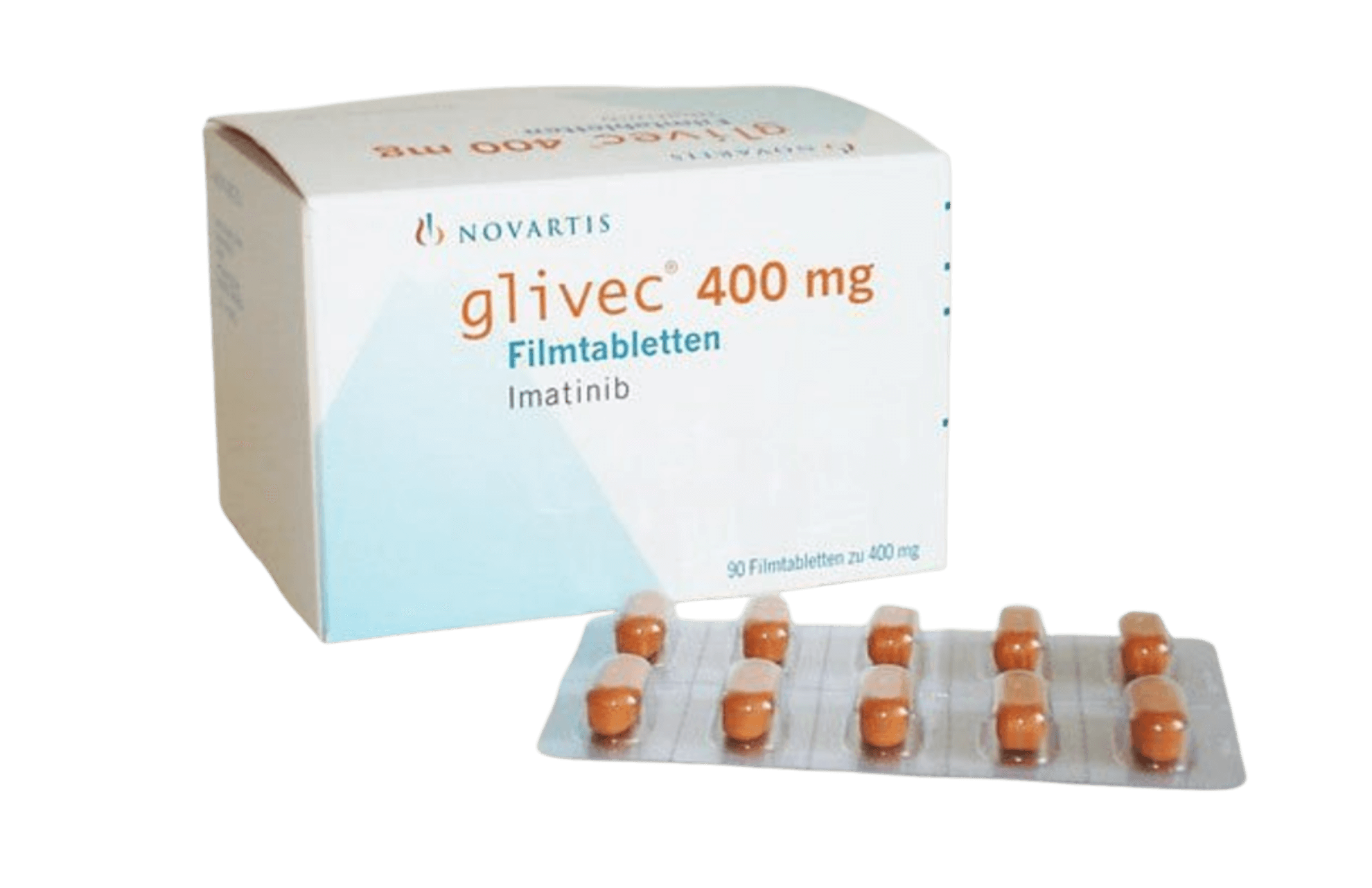
What is Gleevec?
Gleevec is a targeted cancer therapy drug containing the active ingredient Imatinib. It is classified as a tyrosine kinase inhibitor (TKI). This medication is designed to fight specific types of cancer with more precision than traditional chemotherapy. Gleevec identifies and attacks the particular enzymes that fuel the growth of cancer cells. This focused approach helps to spare healthy cells from damage. It is an oral medication taken in tablet form. The drug is recognized by the World Health Organization as an essential medicine. It represents a major advancement in cancer treatment.
How does Gleevec work?
Gleevec works by blocking specific proteins, known as tyrosine kinases, which act as signals for cancer cells to grow and divide. In certain cancers, like Chronic Myeloid Leukemia (CML), a genetic mutation called the Philadelphia chromosome creates an overactive protein. Gleevec specifically targets and inhibits this protein. By turning off this growth signal, the medication effectively stops or slows the spread of cancer. This action helps to restore normal blood counts. It also controls the progression of the disease over the long term, improving patient outcomes.
Who is Gleevec for?
Gleevec is prescribed for adults and children with several types of cancer. Its primary use is for treating Philadelphia chromosome-positive Chronic Myeloid Leukemia (CML). It is also approved for Philadelphia chromosome-positive Acute Lymphoblastic Leukemia (Ph+ ALL), often alongside chemotherapy. Additionally, Gleevec is used for adults with certain gastrointestinal stromal tumors (GIST). This is especially true when the tumors cannot be surgically removed. Other uses include treating rare skin tissue tumors called dermatofibrosarcoma protuberans (DFSP) and other rare blood disorders with specific genetic markers.
Dosage and administration
Gleevec dosage and administration depend on the condition being treated, age, and overall health. Your doctor will determine the correct dose for you. The tablets are taken orally, usually once or twice daily. You should take Gleevec with a meal and a large glass of water to reduce stomach upset. Tablets must be swallowed whole and not crushed. If you have trouble swallowing, the tablets can be dissolved in water or apple juice. Always follow your doctor’s instructions precisely. Do not stop taking the medication without consulting your healthcare provider first, as treatment is often long-term.
Side effects
Gleevec may cause side effects, though not everyone will experience them. Common side effects are generally mild. These include nausea, diarrhea, muscle pain, fatigue, and skin rash. Fluid retention, causing swelling in the hands, feet, or around the eyes, is also common. More serious side effects are rare but require immediate medical attention. These can include signs of infection like fever or chills, unusual bleeding, severe fluid retention, heart problems, or liver issues. Always discuss any side effects with your doctor. They can help manage symptoms and adjust your treatment if needed.
Why buy from IsraelPharm?
IsraelPharm is your trusted source for authentic, high-quality medications at competitive prices. We ensure you receive genuine Gleevec manufactured by Novartis, sourced from a regulated supply chain. Our licensed pharmacists are available to answer your questions and provide support throughout your treatment journey. We are committed to making essential medications accessible by offering significant savings and reliable, discreet international shipping directly to your door. Choose IsraelPharm for a secure and affordable way to manage your health with confidence and care.
Gleevec can cause side effects, which may vary from person to person. Always discuss potential risks with your doctor. Most side effects are manageable.
Common Side Effects:
- Nausea or vomiting
- Diarrhea
- Muscle cramps or bone pain
- Fatigue or weakness
- Skin rash
- Fluid retention (swelling) in legs, ankles, or around the eyes
Severe Side Effects:
Contact your doctor immediately if you experience any of the following:
- Signs of infection (fever, chills, persistent sore throat)
- Unusual bleeding or bruising
- Rapid or unexplained weight gain
- Shortness of breath
- Symptoms of liver problems (yellowing skin/eyes, dark urine)
- Severe stomach pain
- Chest pain or irregular heartbeat