What is Esedrix?
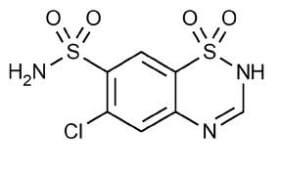
Esedrix is a diuretic medication, commonly known by its generic name, Hydrochlorothiazide or HCTZ. This medication is often called a “water pill” because it helps your body get rid of excess salt and water. It is primarily used to manage high blood pressure (hypertension). Esedrix can be prescribed alone or with other blood pressure medications. By lowering blood pressure, it helps prevent serious health issues. These issues include strokes, heart attacks, and kidney problems. The medication is also effective in treating fluid retention, known as edema.
How does Esedrix work?
Esedrix works by acting on the kidneys to increase urine flow. It blocks a specific process in the kidneys that reabsorbs sodium and chloride. As a result, more sodium, chloride, and water are removed from the blood and excreted as urine. This reduction in the volume of fluid in your blood vessels leads to lower blood pressure. For patients with edema, this same action helps to decrease the body’s overall fluid volume. This reduces swelling in the ankles, feet, and hands. The process helps to relieve discomfort and improve symptoms associated with fluid overload.
Who is Esedrix for?
Esedrix is for patients who have been diagnosed with high blood pressure (hypertension). It is a common first-line treatment for this condition. Lowering blood pressure helps reduce the risk of cardiovascular events. This medication is also intended for individuals experiencing edema. Edema is swelling caused by excess fluid trapped in your body’s tissues. This can be related to congestive heart failure, liver cirrhosis, or kidney disorders. It may also be for edema caused by taking certain medications like steroids or estrogen.
Dosage and administration
Esedrix dosage is individualized by your healthcare provider. The exact dose depends on your specific medical condition and your response to the therapy. It is an oral tablet typically taken once per day, usually in the morning. Taking it in the morning helps to prevent sleep disruption from needing to urinate. You can take Esedrix with or without food. If it causes an upset stomach, taking it with a meal may help. It is important to follow your doctor’s instructions precisely. Do not change your dose or stop taking the medication without consulting your doctor.
Side effects
Esedrix may cause side effects, although many people have no side effects or only minor ones. Like any medication, it comes with potential risks. Common side effects often relate to its diuretic action. These can include dizziness, lightheadedness, headache, or blurred vision as your body adjusts. Dehydration and electrolyte imbalances, such as low potassium or sodium, can also occur. Serious side effects are rare but require immediate medical attention. These include severe dizziness, fainting, muscle cramps or weakness, and signs of an allergic reaction. Contact your doctor if you experience any persistent or bothersome effects.
Why buy from IsraelPharm?
IsraelPharm is your trusted source for affordable and authentic medications. We are dedicated to providing a seamless and secure online shopping experience. Our licensed pharmacists are available to answer your questions and ensure you receive the correct medication. We source our products from reliable manufacturers. This guarantees you get high-quality treatment every time. With competitive pricing and discreet, direct shipping to your door, managing your health has never been easier. Choose IsraelPharm for a professional, reliable, and convenient pharmacy service that puts your well-being first.
Most common side effects include:
- Dizziness or lightheadedness when standing up
- Upset stomach or loss of appetite
- Headache
- Increased urination
Contact your doctor if you experience more serious side effects, such as:
- Fainting or severe dizziness
- Muscle cramps, pain, or weakness
- Irregular heartbeat
- Signs of dehydration (e.g., extreme thirst, dry mouth)
- Signs of an allergic reaction (e.g., rash, swelling, trouble breathing)
Esedrix (Hydrochlorothiazide) is primarily used to treat:
- High Blood Pressure (Hypertension): Helps lower blood pressure to reduce the risk of strokes and heart attacks.
- Edema (Fluid Retention): Reduces swelling caused by conditions such as congestive heart failure, liver disease, or kidney disease.