What is Effexor?
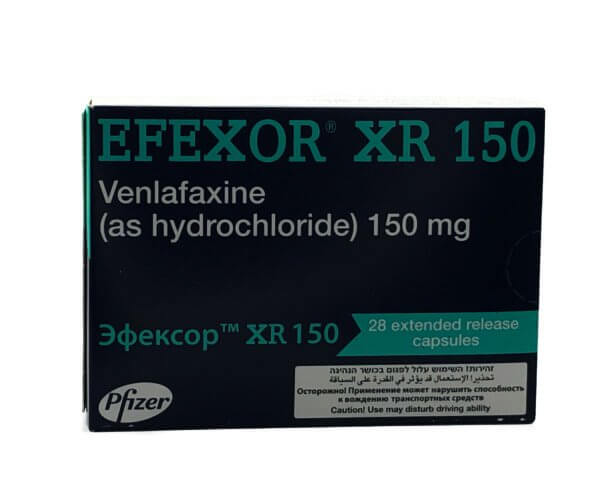
Effexor is a prescription antidepressant medication containing the active ingredient venlafaxine. It belongs to a class of drugs called Serotonin-Norepinephrine Reuptake Inhibitors (SNRIs). The FDA has approved Effexor for treating major depressive disorder (MDD) in adults. Doctors may also prescribe it off-label for anxiety conditions. These include generalized anxiety disorder, social anxiety, and panic disorder. It is not approved for use by anyone under 18 years old.
How does Effexor work?
Effexor works by restoring the balance of certain natural chemicals in the brain. These chemicals are called neurotransmitters. Specifically, it increases the levels of serotonin and norepinephrine. These two neurotransmitters play a key role in regulating mood. By blocking their reabsorption (reuptake), more of these chemicals are available in the brain. This action helps to improve the symptoms associated with depression and anxiety. The medication helps to stabilize mood over time.
Who is Effexor for?
Effexor is primarily for adults diagnosed with major depressive disorder. It is also for adults who a doctor has determined may benefit from it for anxiety-related conditions. This includes generalized anxiety disorder (GAD) or social anxiety. It may also be prescribed for people with panic disorder. Effexor is not suitable for children or adolescents under 18. This is due to an increased risk of suicidal thoughts. A healthcare provider must evaluate your specific condition and medical history. They will decide if Effexor is the right medication for you.
Dosage and administration
Effexor dosage and administration must be followed exactly as your doctor prescribes. The medication is an oral capsule that is usually taken once or twice daily with food. Taking it with food can help reduce the chance of an upset stomach. You should swallow the capsule whole. Do not crush, chew, or open the capsule. This can release all the drug at once, increasing side effects. It is important to take Effexor at the same time each day. Do not stop taking it suddenly. Your doctor will help you gradually lower the dose to avoid withdrawal symptoms.
Side effects
Effexor may cause side effects, though many people have none or only minor ones. Common side effects often improve as your body adjusts to the medicine. These can include nausea, dizziness, dry mouth, sweating, and trouble sleeping. More serious side effects require immediate medical attention. These include high blood pressure, seizures, and serotonin syndrome, which causes confusion and a rapid heart rate. A black-box warning highlights an increased risk of suicidal thoughts and behaviors in young adults. Monitor for mood changes and report them to your doctor.
Why buy from IsraelPharm?
Buying Effexor from IsraelPharm offers a blend of affordability, convenience, and professional care. We provide authentic, brand-name medications sourced from reliable manufacturers like Pfizer. Our competitive pricing ensures you save on your essential prescriptions. Every order is handled with care by licensed pharmacy staff. We ship directly to your home in the United States in discreet packaging. Our customer service team is available to answer your questions. Trust IsraelPharm for a seamless and secure experience when purchasing your medication online. We are committed to your health and well-being.
Most people taking Effexor experience minimal side effects. However, some may occur. Consult your doctor if any side effects persist or worsen.
Common Side Effects
- Nausea
- Dizziness
- Dry mouth
- Increased sweating
- Insomnia or difficulty sleeping
Serious Side Effects
Seek immediate medical attention if you experience any of the following:
- Increased blood pressure
- Seizures
- Symptoms of serotonin syndrome (e.g., confusion, hallucinations, rapid heartbeat)
- Black Box Warning: Increased risk of suicidal thoughts and behaviors, particularly in children, adolescents, and young adults.
Effexor (Venlafaxine) is primarily prescribed to treat the following conditions:
- Major Depressive Disorder (MDD): Its FDA-approved use for adults experiencing persistent sadness, loss of interest, and other depressive symptoms.
- Generalized Anxiety Disorder (GAD): An off-label use for excessive, ongoing anxiety and worry that are hard to control.
- Social Anxiety Disorder: Prescribed off-label for intense fear of social situations.
- Panic Disorder: An off-label use for managing sudden episodes of intense fear and panic attacks.