Introducing Menopause Hormone Therapy
Menopause hormone therapy (MHT) is a new term for what used to be called hormone replacement therapy or HRT. If you’ve never heard about menopause hormone therapy, it’s worth remembering that the change of name
Spend $99, get free U.S. shipping*
Tariff now required on U.S. shipments. Learn more »
Tel: 1-866-456-3768 Fax: 1-866-544-8993
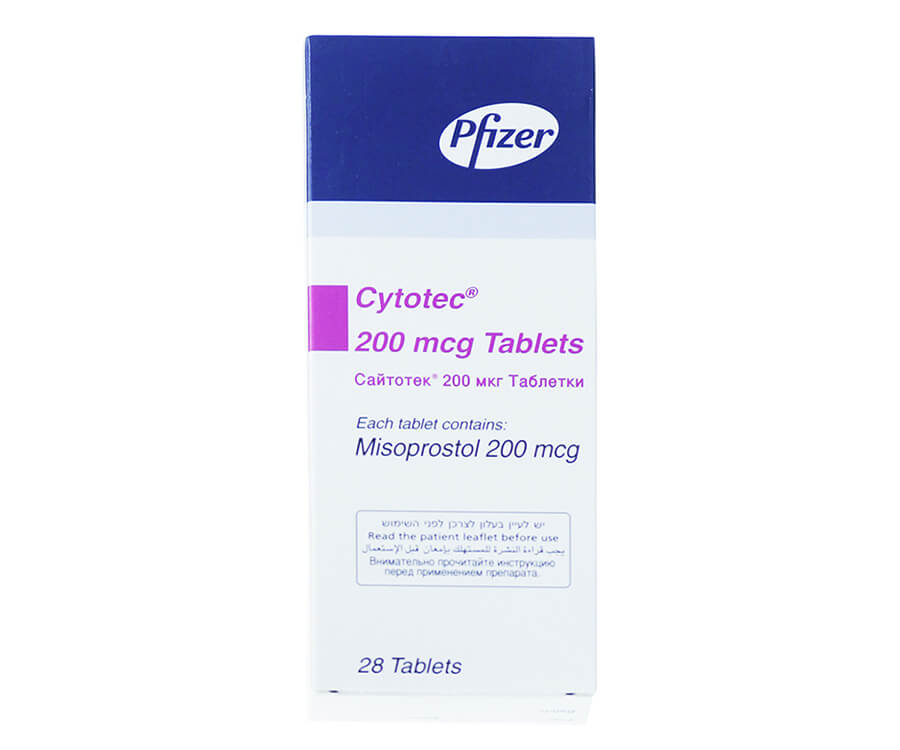
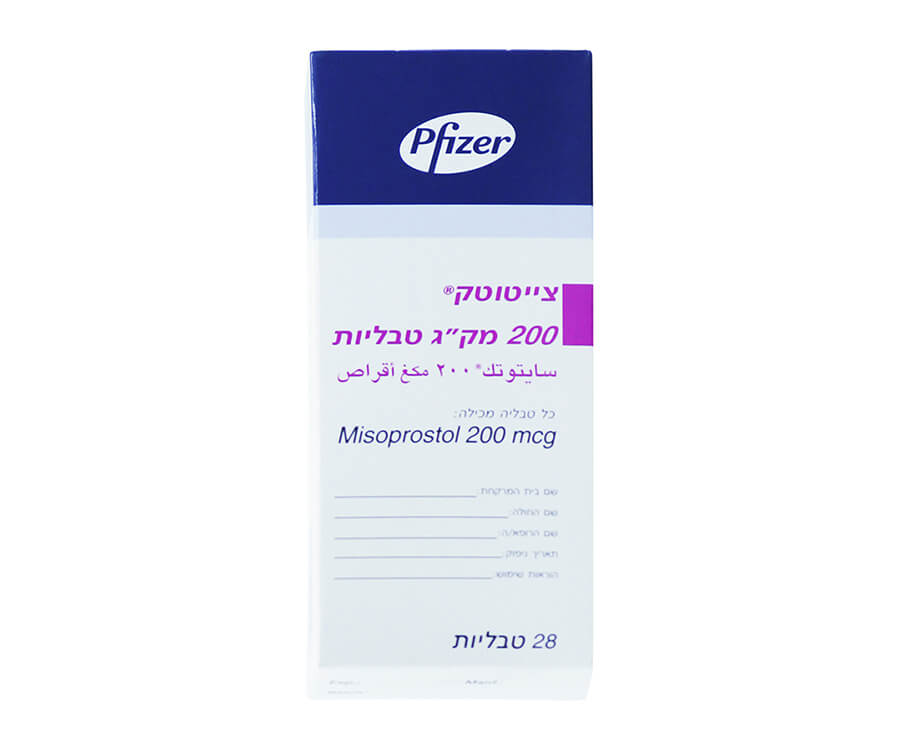
For visual reference only; actual product may vary
US Name:
Cytotec
Alternative Names:
Cytotec
Active Ingredients:
Misopristol
Brand Manufacturer:
Pfizer
Manufacturer Location:
UK
Click here to view Product Insert
For visual reference only; actual product may vary
Cytotec (Misoprostol) is a prescribed medication that helps protect the stomach lining and prevent the formation of painful ulcers, particularly for patients taking nonsteroidal anti-inflammatory drugs (NSAIDs). It works by replacing crucial protective substances in the stomach, reducing acid and promoting healing for those at high risk of gastrointestinal issues.
| Cytotec Brand | 200mcg 28 Tablets |
-
|
Our price: $28.00 |
|
| Cytotec Brand | 200mcg 60 Tablets |
-
|
Our price: $57.00 |
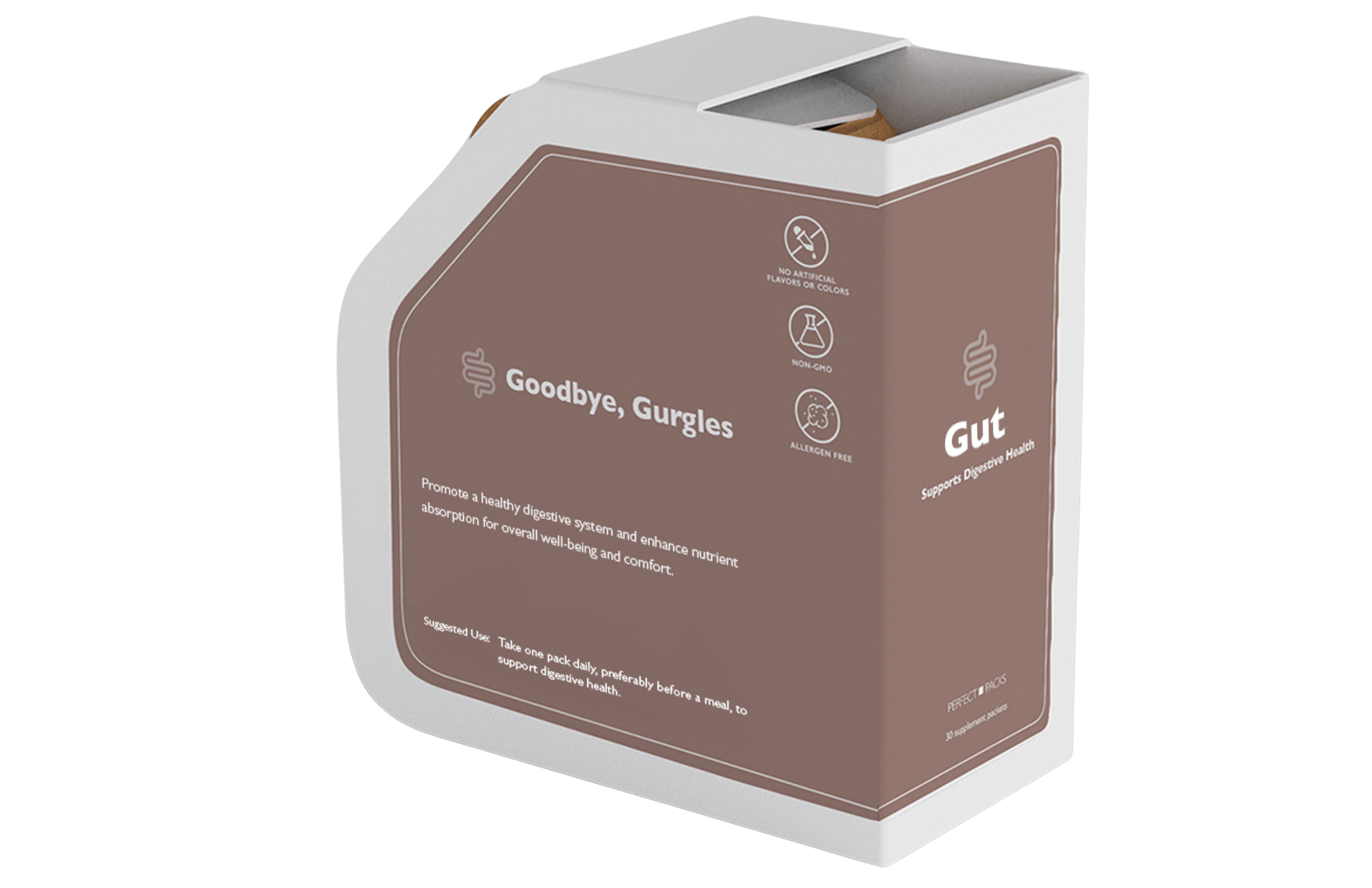
Gut Pack | 30 Pouches 1 Pouch a Day | –+ | Our price: $70.55 |
Cytotec is an oral medication containing the active ingredient Misoprostol, primarily used to prevent stomach ulcers in individuals taking nonsteroidal anti-inflammatory drugs (NSAIDs) like aspirin, ibuprofen, and naproxen. These ulcers can be a serious side effect of long-term NSAID use. Cytotec works by protecting the stomach lining from the damaging effects of acid, mimicking the body’s natural protective mechanisms that are often diminished by NSAID medications. It is classified as a prostaglandin analog, playing a vital role in maintaining the integrity of the gastrointestinal tract for at-risk patients.
Cytotec works by replacing the protective prostaglandins in the stomach that are often depleted by the use of NSAIDs. Prostaglandins are natural chemicals that play a key role in protecting the lining of your stomach and intestine. By supplementing these, Misoprostol decreases the amount of acid that comes into contact with the stomach lining and increases the secretion of protective mucus and bicarbonate. This dual action not only prevents new ulcers from forming but also helps to heal any existing ulcers by creating a healthier and less acidic stomach environment.
Cytotec is intended for patients who are at a high risk of developing stomach or intestinal ulcers while undergoing treatment with NSAIDs. This includes elderly patients, who are often more susceptible to the gastrointestinal side effects of these drugs. It is also prescribed for individuals who have a past history of peptic ulcers, gastric bleeding, or other related complications. If you are on long-term NSAID therapy for conditions like arthritis and have risk factors for developing ulcers, your doctor may prescribe Cytotec as a protective measure to safeguard your digestive health.
The correct dosage and administration of Cytotec must be determined by a healthcare professional based on your specific medical condition and needs. Generally, the medication is taken orally, typically with food, several times throughout the day for the duration of your NSAID treatment. It is important to take Cytotec exactly as your doctor prescribes to ensure its effectiveness and minimize potential side effects. Do not change your dose or stop taking the medication without first consulting your provider. Swallowing the tablet whole with a full glass of water is recommended.
While Cytotec is effective, it may cause some side effects, with the most common being diarrhea, abdominal pain, nausea, and flatulence (gas). These symptoms are usually mild and often resolve as your body adjusts to the medication; taking Cytotec with food can help minimize them. However, more serious side effects can occur, such as severe or persistent diarrhea, dehydration, or allergic reactions. It is crucial to contact your doctor if you experience any severe symptoms. Women should report any unusual menstrual problems, as Cytotec can affect the uterine lining.
IsraelPharm is your trusted source for authentic, brand-name medications like Cytotec at competitive prices. We are committed to providing a seamless and secure online purchasing experience, connecting you with genuine Pfizer-manufactured products directly from licensed pharmacy sources. Our platform eliminates the hassle of traditional pharmacy visits, offering discreet delivery right to your door. With a focus on patient safety and affordability, our knowledgeable team ensures you receive the essential medications you need with the convenience and reliability you deserve, all while adhering to the highest standards of pharmaceutical care.
Like all medications, Cytotec may cause side effects. Not everyone will experience them.
Common Side Effects:
Serious Side Effects (contact your doctor immediately):
Cytotec (Misoprostol) is indicated for the following use:
Cytotec begins working shortly after you take it to reduce stomach acid and increase protective mucus. Its primary role is prevention, so its effects are continuous as long as you take it as prescribed. You may not 'feel' it working, but it is actively protecting your stomach lining from potential NSAID-induced damage throughout your treatment.
The most frequently reported side effect of Cytotec is diarrhea. This often occurs within the first few weeks of starting the medication and typically resolves on its own. Taking Cytotec with food can help reduce the likelihood or severity of diarrhea and other gastrointestinal symptoms like abdominal pain or nausea. If diarrhea is severe or persistent, contact your doctor.
Yes, it is highly recommended to take Cytotec with food. Doing so can help minimize common gastrointestinal side effects such as diarrhea, stomach cramps, and nausea. Taking the medication consistently with meals and at bedtime, as often prescribed, helps maintain its effectiveness while improving your tolerance to it. Follow your doctor's specific instructions.
If you miss a dose of Cytotec, take it as soon as you remember. However, if it is almost time for your next scheduled dose, skip the missed one and continue with your regular dosing schedule. Do not take a double dose to make up for the one you missed, as this can increase your risk of side effects like severe diarrhea.
It is wise to limit or avoid alcohol consumption while taking Cytotec. Alcohol can irritate your stomach lining, which may counteract the protective benefits of the medication and increase your risk of developing stomach ulcers or other gastric issues. Discuss your alcohol use with your doctor for personalized advice based on your health condition.
You should be cautious when taking antacids with Cytotec. Specifically, avoid antacids that contain magnesium, as combining them with Cytotec can worsen diarrhea. If you need an antacid, ask your doctor or pharmacist to recommend a product that does not contain magnesium. They can help you choose a safe option that won't interfere with your treatment.
Store Cytotec at room temperature, below 25°C (77°F), in a dry place away from moisture and direct light. Do not store it in the bathroom. Keep the medication in its original container, tightly closed, and out of the reach of children and pets to prevent accidental ingestion, which can be very dangerous.
Yes, diarrhea is a very common side effect associated with Cytotec. For most people, it's mild and temporary, resolving within about a week as the body adjusts. Taking the medication with food can help manage this side effect. However, if you experience severe or prolonged diarrhea, it could lead to dehydration, so you should contact your healthcare provider.
Yes, Cytotec can affect your menstrual cycle. Some women may experience spotting, cramps, or changes in their menstrual flow, such as heavier or irregular bleeding. It is important to discuss any unexpected vaginal bleeding or significant changes in your period with your doctor, as they can determine the cause and ensure it is not a sign of a more serious issue.
Cytotec is strictly contraindicated in pregnancy because it is a potent uterine stimulant that can cause dangerous contractions. This can lead to miscarriage, premature labor, uterine rupture, or serious birth defects. Women of childbearing potential must have a negative pregnancy test before starting Cytotec and use effective contraception throughout the entire duration of treatment.
If you have kidney problems, you should consult your doctor before taking Cytotec. Your kidneys play a role in clearing the medication from your body, and impaired function could affect how the drug is processed. Your doctor may need to adjust your dose or monitor you more closely to ensure the medication is safe and effective for you.
No, Cytotec is not a painkiller. It does not relieve pain from conditions like arthritis. Instead, it is a protective agent for your stomach. It is prescribed to be taken alongside painkillers like NSAIDs (e.g., ibuprofen, naproxen) to prevent a serious side effect of those drugs: the formation of painful stomach ulcers.
Send Your Prescription
No Hidden Fees
Generally 7-10 Business Days

IsraelPharm has been delivering lost cost prescriptions from Israel for over 15 years worldwide. Daily flights allow us to get your medications dispatched fast! Delivery to the USA is under 10 days and you can track and trace every order.
Menopause hormone therapy (MHT) is a new term for what used to be called hormone replacement therapy or HRT. If you’ve never heard about menopause hormone therapy, it’s worth remembering that the change of name

You’ve probably seen headlines questioning the safety of GLP-1 medicines – the cornerstone of the wave of the latest drugs that have revolutionized many areas of healthcare, primarily in control of type 2 diabetes and

People whose weight is higher than what is considered healthy for their height are described as having excessive body mass, clinically defined as being overweight or obese. Both of these can increase a person’s risk