What is Colestid?
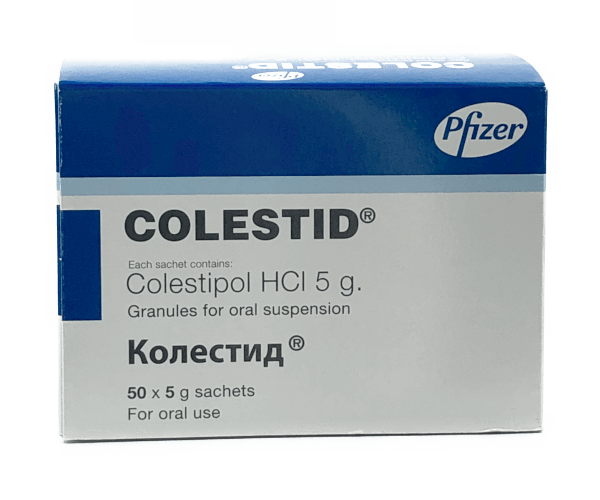
Colestid is a prescription medication, with the active ingredient colestipol, used to lower high levels of cholesterol in the blood. It belongs to a class of drugs known as bile acid sequestrants. Colestid is not a primary treatment but is used as an adjunctive therapy, meaning it works alongside diet and lifestyle modifications. When diet alone isn’t enough to reduce elevated low-density lipoprotein (LDL) cholesterol, often called “bad cholesterol,” your doctor may prescribe Colestid to help you reach your health goals and reduce the risks associated with high cholesterol.
How does Colestid work?
Colestid works directly in your intestines by binding to bile acids, which are substances made from cholesterol in your liver to aid digestion. Because Colestid is not absorbed into the bloodstream, it forms a complex with these bile acids and carries them out of the body through the stool. This process prevents the bile acids from being reabsorbed. In response, your liver is signaled to produce more bile acids. To do this, it must pull more cholesterol from your blood, which effectively lowers your overall blood cholesterol levels, particularly LDL-C.
Who is Colestid for?
Colestid is for adults diagnosed with primary hypercholesterolemia (high LDL cholesterol) who have found that diet and lifestyle changes alone are not sufficient to reach their cholesterol goals. It is specifically indicated for patients who need to lower their elevated serum total and LDL-C levels but do not respond adequately to dietary management. This medication is not a first-line treatment for everyone and is prescribed based on a thorough evaluation of your cardiovascular risk profile by a healthcare professional.
Dosage and administration
Colestid should be taken exactly as prescribed by your doctor, as the dosage is tailored to your specific cholesterol levels and medical needs. The tablets should be swallowed whole and should not be cut, crushed, or chewed. It is generally recommended to take Colestid with meals. To avoid interfering with the absorption of other medicines, you should take other drugs at least one hour before or four to six hours after you take Colestid. Always follow your provider’s instructions for the best results and to minimize potential interactions.
Side effects
The most common side effect associated with Colestid is constipation, as it works within the digestive system. Many side effects are mild and gastrointestinal in nature. Other potential adverse effects include abdominal pain or cramping, gas, indigestion, heartburn, and nausea. To help manage constipation, it is often recommended to increase your intake of fiber and fluids. If you experience any side effects that are severe, persistent, or worsen over time, it is important to contact your healthcare provider for guidance.
Why buy from IsraelPharm?
Buying your Colestid from IsraelPharm provides a reliable and affordable way to access your essential prescription medication without compromising on quality or safety. We source our medications from licensed manufacturers and distributors, ensuring you receive genuine Colestid (Colestipol). Our competitive pricing structure and user-friendly online platform make managing your cholesterol treatment both cost-effective and convenient, with medication delivered directly to your door. Trust IsraelPharm for your long-term health needs, backed by professional service and a commitment to patient wellness.
The most common side effect of Colestid is constipation. Other potential side effects may include:
- Stomach or abdominal pain
- Gas or bloating
- Indigestion or heartburn
- Diarrhea
- Hemorrhoids
- Nausea or vomiting
Most side effects are mild and relate to the digestive system. If you experience severe or persistent side effects, contact your healthcare provider.
Colestid is primarily used as an additional therapy for adults with primary hypercholesterolemia who need to lower their cholesterol levels. It is prescribed when diet and exercise alone are not enough to control high levels of low-density lipoprotein cholesterol (LDL-C).