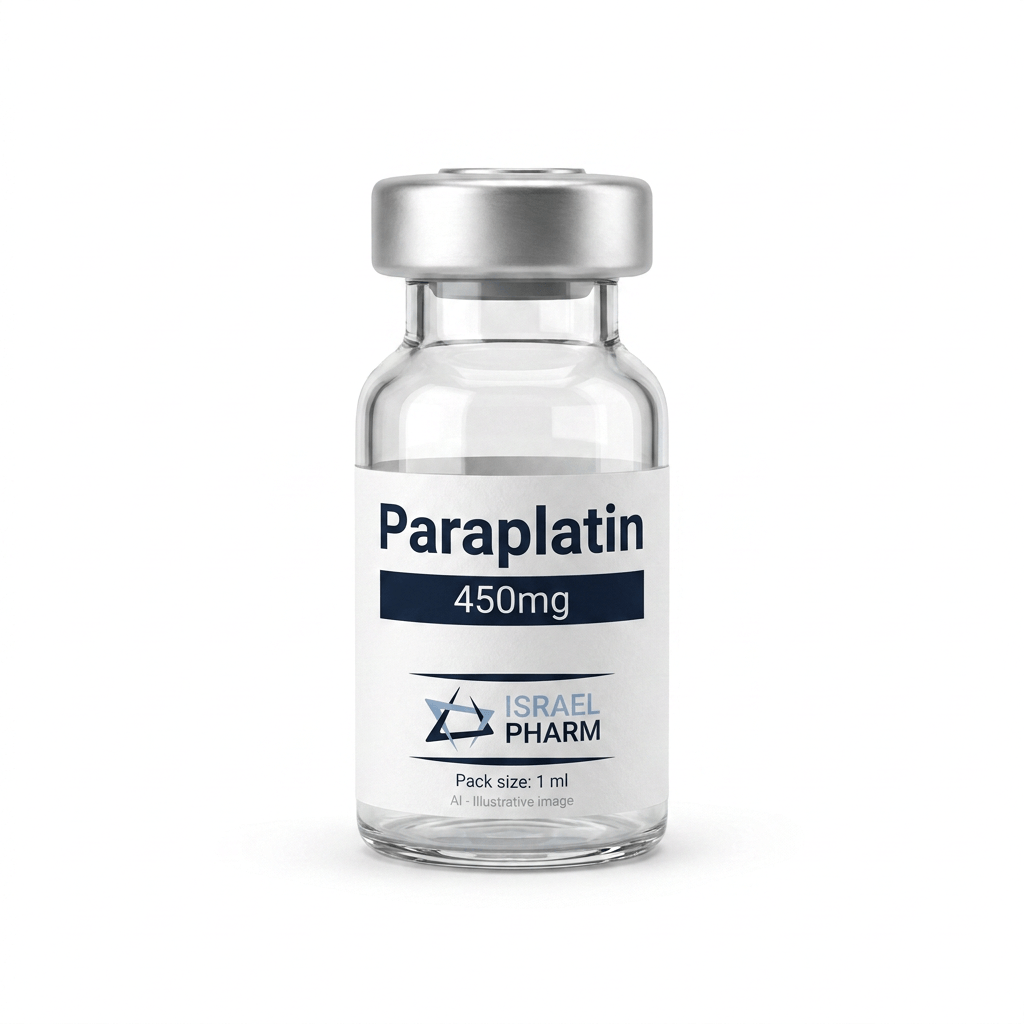
What is Paraplatin?
Paraplatin is an injectable chemotherapy medication that contains the active ingredient carboplatin. It belongs to a class of drugs known as platinum-containing compounds. Medical professionals use Paraplatin to treat several types of advanced cancers. It is most commonly prescribed for ovarian cancer and lung cancer. This drug is a critical part of many cancer treatment plans. It is administered under the supervision of an experienced oncologist.
How does Paraplatin work?
Paraplatin works by attacking the genetic material, or DNA, inside cancer cells. The drug creates cross-links within the DNA strands of a cancer cell. This damage makes it impossible for the cell to repair its DNA or to replicate. As a result, the cancer cell can no longer divide and grow. This process, known as apoptosis (programmed cell death), effectively stops the spread of the tumor. Its method is powerful against rapidly dividing cells, a key feature of cancer.
Who is Paraplatin for?
Paraplatin is for patients diagnosed with specific types of cancer, primarily advanced ovarian cancer. It is also used for other cancers, including small cell and non-small cell lung cancer. Oncologists may also prescribe it for head, neck, and endometrial cancers. This medication is an option for patients who need a strong chemotherapy agent. It is often part of a combination therapy with other cancer drugs. A doctor will determine if this treatment is appropriate for a patient’s specific condition.
Dosage and administration
Paraplatin dosage is calculated by a healthcare professional for each individual patient. The dose depends on several factors. These include the patient’s kidney function, body weight, and the type of cancer being treated. It is given as a slow infusion into a vein (intravenous or IV). This procedure is always performed in a clinical setting like a hospital or cancer center. The infusion typically takes between 15 to 60 minutes. Treatment cycles are usually spaced several weeks apart to allow the body to recover.
Side effects
Paraplatin may cause side effects, which range from mild to severe. The most significant side effect is bone marrow suppression. This can lead to low levels of blood platelets, white blood cells, and red blood cells. Other common side effects include nausea, vomiting, hair loss, and fatigue. Some patients might experience kidney problems or hearing changes. It is important to discuss all potential side effects with your oncologist. They can provide supportive care to help manage these symptoms effectively during treatment.
Why buy from IsraelPharm?
Choosing IsraelPharm for your Paraplatin prescription offers a reliable and cost-effective solution. We are committed to providing access to authentic, high-quality medications from trusted manufacturers. Our streamlined international ordering process ensures you receive your treatment safely and efficiently. With competitive pricing and a strong focus on customer care, we help ease the financial burden of cancer treatment. Our team works diligently to ensure a seamless experience while you focus on your health and recovery.
Paraplatin may cause several side effects. It is important to monitor for these and report them to your doctor.
Common Side Effects:
- Bone marrow suppression (leading to fatigue, easy bruising, and increased risk of infection)
- Nausea and vomiting
- Hair loss (alopecia)
- Fatigue and weakness
- Changes in taste
Less Common but Serious Side Effects:
- Kidney damage (nephrotoxicity)
- Hearing loss or ringing in the ears (ototoxicity)
- Numbness or tingling in hands and feet (peripheral neuropathy)
- Allergic reactions, including rash, hives, or breathing difficulty
- Electrolyte imbalances
Paraplatin (Carboplatin) is used in the treatment of various cancers, including:
- Advanced ovarian carcinoma
- Small cell lung cancer (SCLC)
- Non-small cell lung cancer (NSCLC)
- Head and neck cancer
- Endometrial cancer
- Bladder cancer