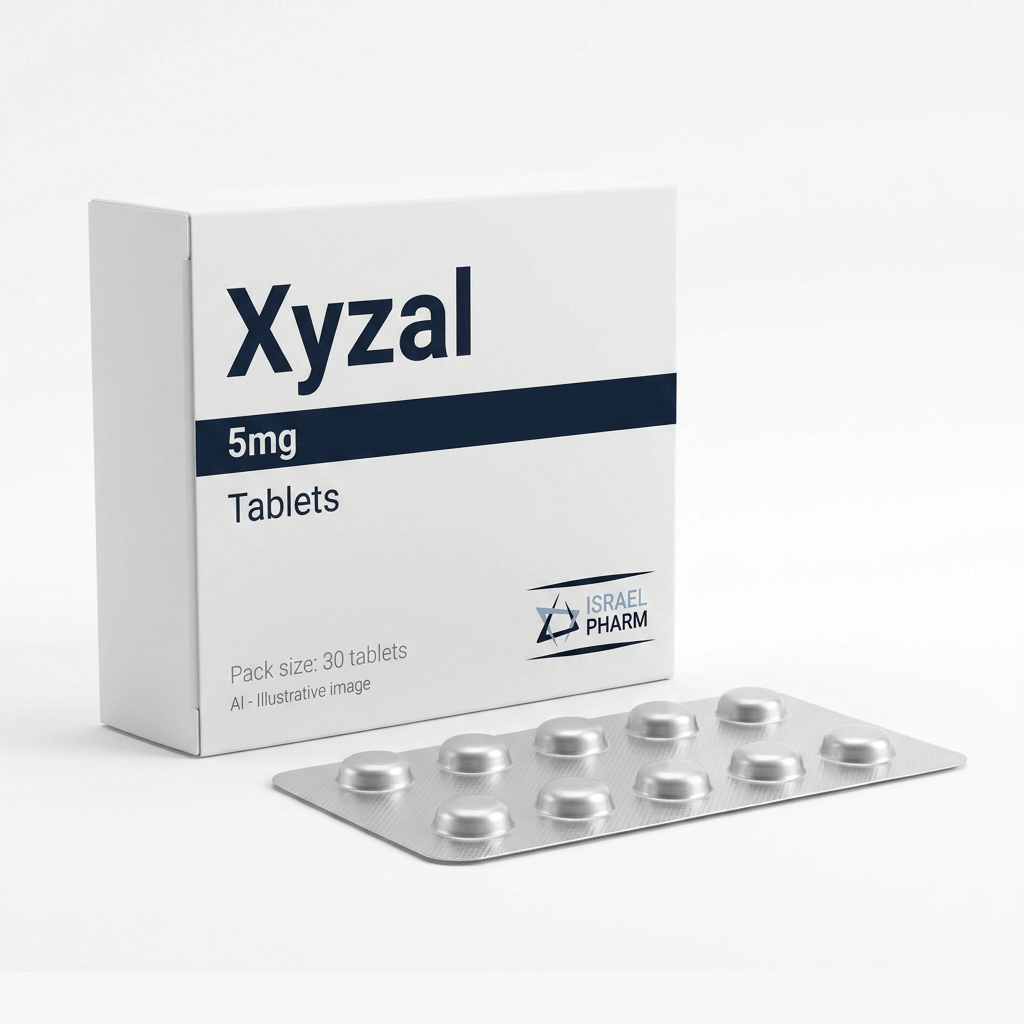
What is Xyzal?
Xyzal is an oral antihistamine medication containing the active ingredient levocetirizine. It is prescribed to relieve allergy symptoms that affect the nose, eyes, and skin. This medication helps manage conditions like allergic rhinitis, also known as hay fever, and chronic urticaria (hives). Xyzal is designed to reduce the body’s reaction to allergens. These are substances that trigger an allergic response, such as pollen, dust mites, or pet dander. It provides long-lasting relief from discomfort.
How does Xyzal work?
Xyzal works by selectively blocking histamine H1 receptors in the body. Histamine is a natural chemical your immune system releases when it detects a foreign substance. In people with allergies, this response is overactive and causes symptoms. These symptoms include sneezing, itching, a runny nose, and watery eyes. By stopping histamine from binding to its receptors, Xyzal prevents this chain reaction. This action reduces inflammation and calms the allergic symptoms. This makes daily life more comfortable during allergy seasons or flare-ups.
Who is Xyzal for?
Xyzal is for adults and children who need relief from allergy symptoms. It is suitable for those with seasonal allergies that occur at certain times of the year. It also helps people with perennial allergies that last all year long. Doctors may prescribe it for individuals suffering from chronic idiopathic urticaria. This is a condition where hives appear on the skin for six weeks or more without a known cause. It offers a solution for patients seeking effective symptom control with a lower risk of drowsiness compared to first-generation antihistamines.
Dosage and administration
Xyzal dosage and administration should follow a doctor’s prescription precisely. The medication is typically taken once per day. Many people prefer to take it in the evening, as it may cause tiredness. The tablet form should be swallowed whole with a glass of water. It can be taken either with or without food. If you are prescribed the oral solution, use a proper measuring spoon or cup. This ensures you receive the correct dose. For children, the dose is usually based on their age. Always follow your healthcare provider’s instructions for the best results.
Side effects
Xyzal may cause side effects, although many people have no issues. The most common side effects include sleepiness, fatigue, and dry mouth. Some people might also experience a sore throat or headache. These effects are usually mild and may disappear as your body adjusts to the medicine. Serious side effects are rare but can occur. Seek medical help if you experience a severe allergic reaction. Symptoms include trouble breathing, swelling of your face or throat, or severe dizziness. Always discuss potential side effects with your doctor.
Why buy from IsraelPharm?
IsraelPharm offers a convenient and affordable way to purchase your medications. We provide access to genuine, brand-name drugs like Xyzal from licensed international pharmacies. Our prices are often lower than what you might find at your local pharmacy. This helps you save money on your essential treatments. We ensure a simple ordering process and discreet shipping directly to your door. Our customer service team is ready to assist with any questions you may have. Trust IsraelPharm for reliable service and significant savings on your healthcare needs.
Most people using Xyzal do not have serious side effects. However, some common adverse effects may occur.
Common Side Effects
- Sleepiness or drowsiness
- Tiredness or fatigue
- Dry mouth
- Sore throat
- Headache
In rare cases, a serious allergic reaction (anaphylaxis) may occur. Seek immediate medical attention if you experience difficulty breathing, swelling of the face, lips, or tongue, or a severe skin rash after taking Xyzal.
Xyzal is used to treat symptoms associated with allergic rhinitis and chronic idiopathic urticaria (hives).
Allergic Rhinitis Symptoms
- Frequent sneezing
- Runny or stuffy nose
- Itchy nose, throat, or eyes
- Red and watery eyes
Chronic Urticaria Symptoms
- Raised, red or pale welts on the skin (hives)
- Intense itching
- Swelling of the lips, eyelids, or throat