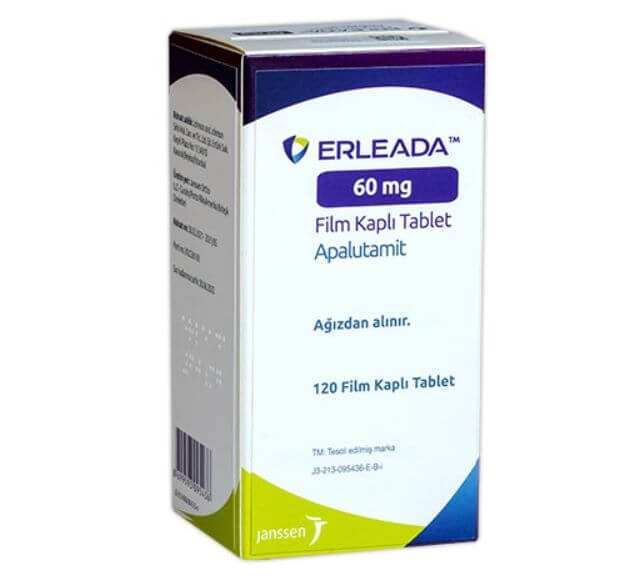
What is Erleada?
Erleada is an oral prescription medication used to treat certain types of prostate cancer in adult men. Its active ingredient is apalutamide. This medicine is classified as an androgen receptor inhibitor, or an anti-androgen. Erleada is specifically approved for treating non-metastatic castration-resistant prostate cancer (nmCRPC). It is also used for metastatic hormone-sensitive prostate cancer (mHSPC). By managing the disease, it can help slow its progression. This medication is taken as a daily tablet.
How does Erleada work?
Erleada works by blocking the effects of male hormones called androgens, such as testosterone. Prostate cancer cells often rely on androgens to grow and multiply. Apalutamide, the active component in Erleada, binds directly to androgen receptors on cancer cells. This action prevents testosterone from attaching to the cells. By inhibiting this signal, Erleada slows down the growth and spread of the prostate cancer. This process helps control the disease over time.
Who is Erleada for?
Erleada is prescribed for adult men diagnosed with specific types of prostate cancer. This medicine is intended for patients with non-metastatic castration-resistant prostate cancer (nmCRPC). This means the cancer no longer responds to standard hormone therapy but has not spread. It is also for men with metastatic hormone-sensitive prostate cancer (mHSPC). In this case, the cancer has spread but still responds to treatments that lower testosterone. A doctor will determine if Erleada is the right choice for your condition.
Dosage and administration
Erleada is typically taken as oral tablets once a day at the same time each day. Your doctor will determine the exact dosage that is right for you. The tablets should be swallowed whole and not chewed, split, or crushed. You can take this medication with or without food. If you miss a dose, you may take it later the same day. However, do not take a double dose on the following day to make up for a missed one. Always follow your healthcare provider’s instructions carefully.
Side effects
Erleada may cause side effects, though many people experience none or only minor ones. You should always consult a doctor before starting any new treatment. Common side effects can include:
- Fatigue or feeling very tired
- Joint pain
- Skin rash
- Decreased appetite and weight loss
- High blood pressure
- Hot flashes
- Diarrhea
In rare cases, more serious side effects can occur. Seek medical attention immediately if you experience an allergic reaction. Symptoms include swelling of the face or throat, or difficulty breathing. Other serious effects may include chest pain, shortness of breath, or neurological symptoms. These could include numbness, vision changes, or difficulty speaking.
Why buy from IsraelPharm?
IsraelPharm is your trusted source for authentic medications at competitive prices. We are committed to providing a seamless and secure online shopping experience. Our licensed pharmacists are available to answer your questions. We ensure that every order is handled with care and delivered directly to your door. By choosing IsraelPharm, you gain access to affordable healthcare solutions. We help you manage your treatment without compromising on quality or service. Experience the convenience and savings of ordering online with us.
Erleada may cause side effects. Seek immediate medical help for any signs of a severe allergic reaction, such as facial swelling, hives, or difficulty breathing.
Common side effects may include:
- Feeling exhausted
- Joint pain
- Skin rash
- Decreased appetite or weight loss
- High blood pressure
- Hot flashes
- Diarrhea
Less common but more serious side effects that require prompt medical attention include:
- Chest pain or discomfort
- Shortness of breath
- Numbness or weakness, especially on one side
- Difficulty speaking or understanding
- Vision problems or dizziness
- Loss of balance or coordination
Erleada (apalutamide) is indicated for the treatment of adult men with specific types of prostate cancer:
- Metastatic hormone-sensitive prostate cancer (mHSPC): For prostate cancer that has spread to other parts of the body but is still responsive to treatments that lower testosterone levels.
- Non-metastatic castration-resistant prostate cancer (nmCRPC): For prostate cancer that has not spread but no longer responds to standard medical or surgical treatments designed to lower testosterone.