Login

Fast Delivery

Ships from Israel

Secure Payment
Genuine Brands
Pharmacist Oversight
Proudly Israeli
Free Shipping on orders over $99*
Spend $99, get free U.S. shipping*
Tariff now required on U.S. shipments. Learn more »
Tel: 1-866-456-3768 Fax: 1-866-544-8993
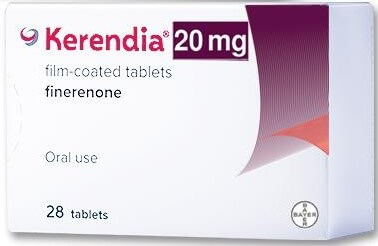
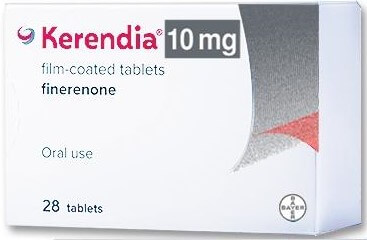
For visual reference only; actual product may vary
US Name:
Kerendia
Alternative Names:
Kerendia
Active Ingredients:
Finerenone
Brand Manufacturer:
Bayer
Manufacturer Location:
Germany
Click here to view Product Insert
For visual reference only; actual product may vary
Kerendia (finerenone) is a prescription medication for adults with chronic kidney disease (CKD) linked to type 2 diabetes. It works to slow the progression of kidney disease. It also lowers the risk of kidney failure, cardiovascular death, and hospitalization for heart failure, protecting your kidneys and heart.
| Kerendia Brand | 20mg 28 Tablets |
-
|
Our price: $121.00 |
|
| Kerendia Brand | 10mg 28 Tablets |
-
|
Our price: $121.00 |
Kerendia is a prescription medication used to treat adults who have chronic kidney disease associated with type 2 diabetes. It works to slow the decline of kidney function and reduce serious health risks. These risks include end-stage kidney disease, heart attacks, and hospitalization for heart failure. Kerendia is not a cure for kidney disease. However, it is an important part of a complete treatment plan. This plan should also include diet, exercise, and other medications to manage diabetes.
Kerendia works by selectively blocking overactivated mineralocorticoid receptors (MRs) in the body. In people with type 2 diabetes and kidney disease, these receptors can become overactive. This overactivity leads to inflammation and fibrosis (scarring) in the kidneys and heart. By blocking these receptors, Kerendia helps reduce this harmful inflammation and scarring. This action slows the progression of kidney damage. It also protects the cardiovascular system from related complications. It is a nonsteroidal MRA, offering a targeted approach to treatment.
Kerendia is for adults diagnosed with both type 2 diabetes and chronic kidney disease. Doctors typically prescribe it for patients with moderate to severe kidney damage. This often corresponds to stage 3 or 4 kidney disease. An eGFR blood test helps determine the stage. Patients in this category are at high risk for their kidney disease worsening. They also face a greater chance of cardiovascular events. Kerendia is used to manage these risks as part of a comprehensive care strategy.
Kerendia dosage is determined by a doctor based on specific health factors. The main factors are your kidney function (eGFR) and your blood potassium level. Your doctor will order blood tests before you start treatment. They will also monitor these levels during your treatment. The tablets are typically taken once daily. You can take Kerendia with or without food. It is important to swallow the tablet whole with a glass of water. Do not stop taking Kerendia or change your dose without consulting your healthcare provider.
Kerendia can cause side effects, though not everyone experiences them. The most common side effects are high potassium levels (hyperkalemia), low blood pressure (hypotension), and low sodium levels (hyponatremia). Your doctor will monitor for these with blood tests. Less common effects may include itching or a mild skin rash. Severe allergic reactions are rare but possible. Seek immediate medical attention if you experience swelling of the face, lips, or throat, or have trouble breathing after taking Kerendia.
IsraelPharm offers a reliable and convenient way to purchase Kerendia online. We are committed to providing authentic, brand-name medications sourced from trusted manufacturers. Our platform simplifies the process of ordering your prescriptions from home. We provide competitive pricing and discreet, direct-to-door shipping. Our customer service team is available to assist with your order. We ensure that you receive your medication safely and efficiently, helping you manage your health with confidence and ease.
Kerendia may cause side effects. Consult your doctor for medical advice about side effects.
Seek immediate medical help for symptoms of a severe allergic reaction. These include swelling of the face, lips, or throat, or difficulty breathing.
Kerendia is indicated for adults to reduce specific risks associated with chronic kidney disease (CKD) and type 2 diabetes.
Kerendia is a prescription medication primarily used for adults with chronic kidney disease (CKD) and type 2 diabetes. Its main purpose is to slow the progression of kidney disease and reduce the risk of major health problems. These problems include kidney failure, cardiovascular-related death, and hospitalization for heart failure. Kerendia helps protect both the kidneys and the heart from further damage caused by these conditions.
Kerendia begins to work after you start taking it, but its effects are not immediately noticeable. The medication works over time to protect your kidneys and heart by reducing inflammation and scarring. You will likely not feel a change, but regular monitoring by your doctor, including blood and urine tests, will show how Kerendia is helping to manage your condition and slow disease progression.
Yes, you will need regular blood tests while taking Kerendia. Your doctor will test your blood potassium levels and your kidney function (eGFR) before you start. These tests will be repeated within the first few weeks of treatment and periodically after that. This monitoring is crucial to ensure the medication is working safely and to adjust the dose if needed, especially to manage the risk of high potassium.
If you miss a dose of Kerendia, you should take it as soon as you remember on the same day. However, if it is almost time for your next scheduled dose, skip the missed dose completely. Do not take two doses at the same time to make up for a missed one. Simply return to your regular once-daily dosing schedule. Consistently taking your medication is key to its effectiveness.
You should discuss alcohol use with your doctor before taking Kerendia. While moderate alcohol consumption may not be strictly forbidden, alcohol can affect blood pressure and blood sugar levels. Since Kerendia is used for conditions related to diabetes and can also lower blood pressure, it is important to understand any potential interactions. Your doctor can give you personalized advice based on your overall health status.
The most common side effects reported with Kerendia are hyperkalemia (high potassium levels), hypotension (low blood pressure), and hyponatremia (low sodium levels). Because of this, regular blood tests are essential for monitoring. Your doctor will track these levels to ensure you can continue taking the medication safely. Most people tolerate Kerendia well, but you should report any unusual symptoms to your doctor.
Kerendia can lower blood pressure (hypotension) as one of its potential side effects. This happens because of how the medication works within the body. Your doctor will monitor your blood pressure during your treatment. If you experience symptoms of low blood pressure, such as dizziness, lightheadedness, or fainting, you should inform your healthcare provider. For some patients, this effect might require a dose adjustment.
Kerendia is not a substitute for dialysis. This medication is prescribed to slow the progression of chronic kidney disease in people with type 2 diabetes to prevent or delay the need for dialysis. It is meant for patients who are not yet at the stage of end-stage kidney disease that requires dialysis. Once a patient requires dialysis, Kerendia is typically not the appropriate treatment.
While taking Kerendia, your doctor may advise you to be cautious with foods that are very high in potassium. This is because the medication can cause high potassium levels in your blood (hyperkalemia). You should also avoid salt substitutes that contain potassium. Your doctor or a dietitian can provide specific dietary guidance to help you maintain a safe potassium balance while benefiting from the treatment.
No, there is currently no generic version of Kerendia available. Kerendia is a brand-name medication, and its active ingredient is finerenone. As a newer, patented drug, it will be some time before a generic equivalent is developed and approved for the market. Therefore, you must purchase the brand-name medication to receive this specific treatment for your condition.
Kerendia should not be taken by everyone. People with adrenal insufficiency (Addison's disease) should avoid it. You also cannot take Kerendia if you are on certain medications known as strong CYP3A4 inhibitors, as they can cause dangerous interactions. This includes some antifungal drugs and antibiotics. Your doctor will review your full medical history and current medications to determine if Kerendia is safe and appropriate for you.
Kerendia should be stored at room temperature, ideally between 68°F to 77°F (20°C to 25°C). Keep the tablets in their original container to protect them from moisture. The bottle should be tightly closed when not in use. As with all medications, it is important to store Kerendia in a safe place that is out of reach of children and pets.
Send Your Prescription
No Hidden Fees
Generally 7-10 Business Days

IsraelPharm has been delivering lost cost prescriptions from Israel for over 15 years worldwide. Daily flights allow us to get your medications dispatched fast! Delivery to the USA is under 10 days and you can track and trace every order.


Struggling with acid reflux? Sarah Ryan shares her personal experience using Nexium for GERD and how to find affordable brand-name relief through a licensed pharmacy.

Polycystic Metabolic Ovarian Syndrome (PMOS) is the new clinical name for the condition long known as Polycystic Ovary Syndrome (PCOS). The change reflects a deeper scientific understanding that insulin resistance and metabolic dysfunction sit at